- “The system of international law is under tremendous pressure, and its institutions are under attack,” the Nobel committee said
OSLO: Human rights and international justice advocates cheered after South African jurist and former UN human rights chief Navi Pillay won the Nobel Peace Prize on Friday.
The 85-year-old, who currently serves as an ad hoc judge at the UN’s International Court of Justice, drew huge applause and an outpouring of praise for her work over decades — including as an investigator of crimes in Rwanda, Israel and the occupied Palestinian territories, and as a lawyer who helped defend Nelson Mandela.
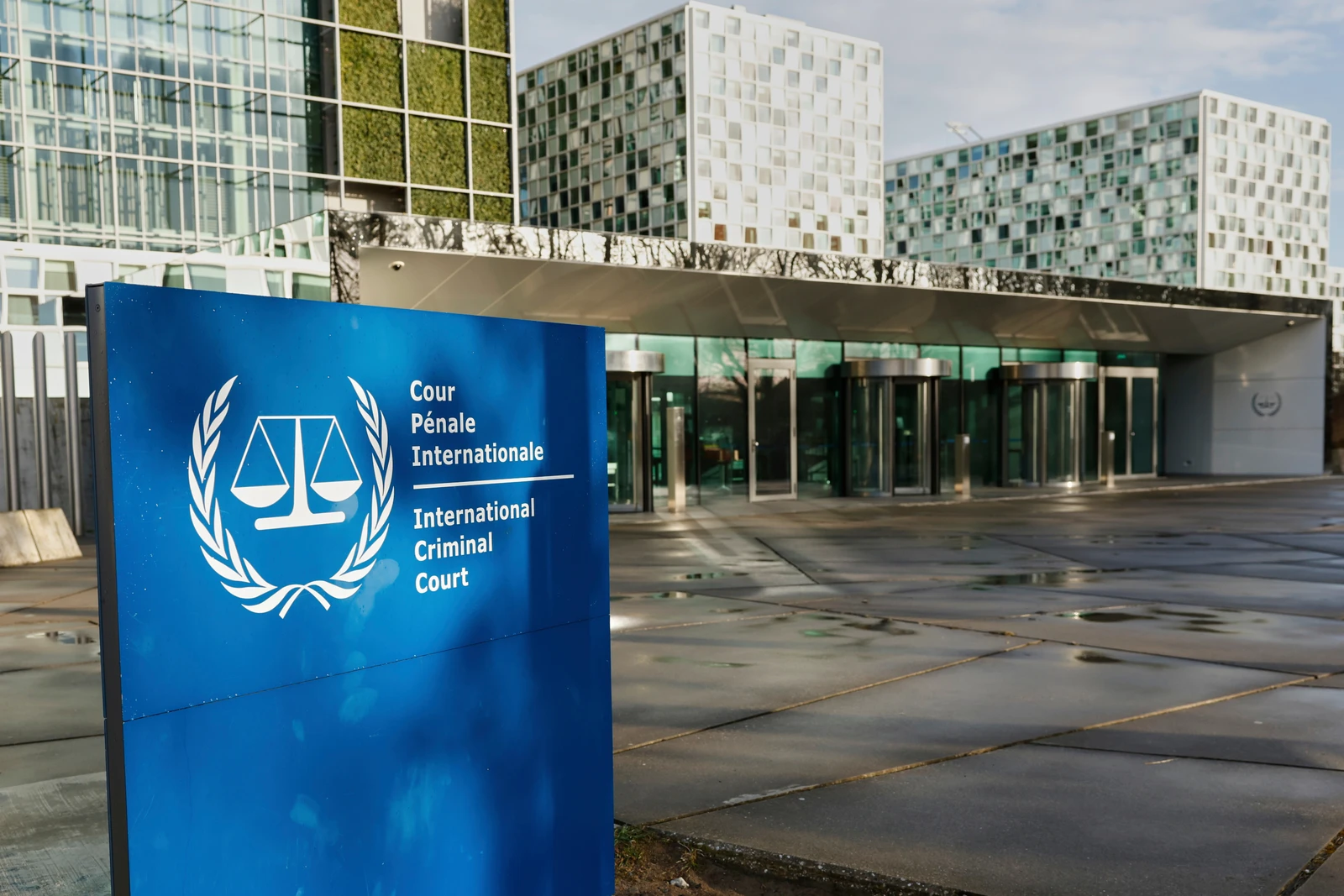
Awarding the prize to Pillay, a judge on several international courts, including the International Criminal Court and the International Criminal Tribunal for Rwanda, underlined the importance of maintaining an organized international order, the Nobel committee said in its citation.
“The system of international law is under tremendous pressure, and its institutions are under attack,” the Nobel committee said.
“We see a shift toward power politics at the expense of legal frameworks and global respect for law and justice. Whenever might overtakes right, it undermines stability, trust and peaceful co-existence.”
Pillay was also chair of the UN Commission of Inquiry on the Occupied Palestinian Territory that concluded last year that Israel has committed genocide in Gaza.
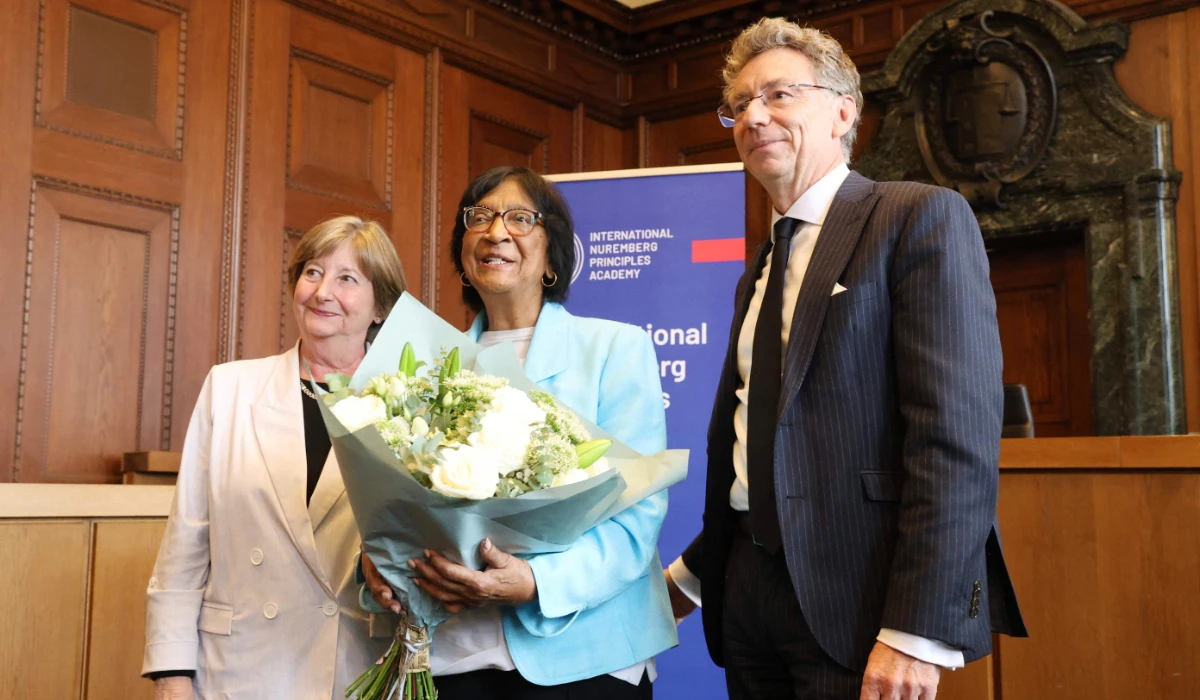
Pillay received news of the award while she was attending a legal conference in the building in Nuremberg, Germany, where the first international criminal tribunal was set up in 1945-1946 to judge the crimes of the Nazis, 80 years and nine days after the verdicts in those trials were delivered.
“The last thing I did was the delivery of the report on Gaza, naming what’s happening there as genocide,” Pillay told a crowd gathering to celebrate the award, a video posted on social media by the head of rights group Amnesty International showed.
Pillay later dedicated the award to “all the survivors of international crimes as well as to practitioners and defenders of international justice whose compassion and courage continue to ensure that impunity will not be allowed to reign.”
Turning her attention to world leaders, she told them: “You are under legal obligation ... to protect human rights and refrain from war.”
The award body wanted the world to remember that the rule of law underpins the international system set up to ensure peace, and that this system is under “tremendous pressure,” its chair said.
“Of course, the most powerful states have particular responsibility, but we see it all over the world, unfortunately,” Joergen Watne Frydnes told Reuters.
“The institutions are under attack. Many judges are being sanctioned.”
ICC President Tomoko Akane welcomed the award.
“At a time of profound challenges to the international legal order and the rule of law, this recognition carries particular significance,” she said in a statement.
Born in Durban, in South Africa’s Natal province, into a family of Indian Tamil origin, Pillay served as UN High Commissioner for Human Rights from 2008 to 2014.
In 1967 she became the first woman to start a law practice in Natal and, after the end of apartheid, the first non-white woman to serve on South Africa’s High Court.
She was the fifth South African national to win the Nobel Peace Prize, after Nelson Mandela and FW de Klerk, Archbishop Desmond Tutu and Albert Luthuli.
Pillay held states and national leaders accountable and showed a firm moral compass throughout her long career, the committee said.
“A common thread runs from her early work defending Nelson Mandela and others who stood up against apartheid to her service as a judge in some of the key international court cases of our time,” the citation said.
Pillay continues to work as a judge, currently serving on the International Court of Justice in the case where Myanmar stands accused of genocide, the citation said.
The peace prize is the fifth Nobel awarded this week, after literature, chemistry, physics and medicine. Venezuelan opposition leader Maria Corina Machado won in 2025.
The Nobel Peace Prize, worth 12 million Swedish crowns, or about $1.2 million, is due to be presented in Oslo on Dec.10, the anniversary of the death of Swedish industrialist Alfred Nobel, who founded the awards in his 1895 will.