DHAKA: A 2½-year-old victim of a homemade bomb lies in an intensive care unit with burns to his face, head and other body parts. In another hospital, 17 people, including students and a teacher, are being treated for similar injuries. Another victim, a schoolboy, lost both his eyes.
That is just part of the toll from more than two weeks of attacks sparked by the latest clash between Bangladesh’s two main, long-feuding political factions. Since Jan. 5 — the one-year anniversary of the last election — at least 28 people have been killed, nearly 700 vehicles have been smashed or torched and much of the country’s transportation system has been at a standstill.
Supporters of former Prime Minister Khaleda Zia, who boycotted the last vote, demand that the government resign and hold new elections immediately, but Prime Minister Sheikh Hasina says her government will remain in office until her term ends in 2019. The violence ended a year of relative calm and has raised fears it may escalate as it did in 2013, when political violence left nearly 300 people dead.
“It’s a terrible situation we are in. We are terrified,” said Abu Bakar Siddique, a businessman. “My kids’ schools are closed, I am afraid of going outside ... pictures of burned bodies in newspapers. All very disturbing.”
Both sides had planned rallies on the Jan. 5 election anniversary; police ended up banning all rallies but Zia vowed to protest, anyway.
The opposition said authorities have locked Zia in her office since Jan. 5, when she attempted to visit her party headquarters, where her alliance’s rally was to be held. Zia then announced a nonstop transportation blockade across the country until the government steps down. There have also been general strikes and violence including arson against buildings and vehicles and drive-by attacks by unidentified assailants.
Authorities say Zia can go home anytime, but cannot move anywhere else unless she asks her supporters to shun violence. The opposition blames the government for some of the violence, including the shooting of an adviser to Zia last week. The government denies involvement but says it will investigate.
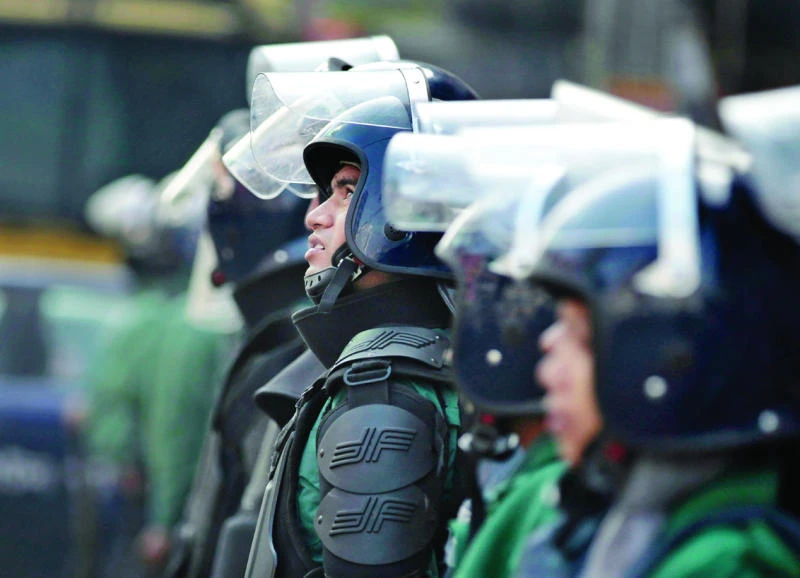
On Tuesday, Hasina reiterated, in a speech in Parliament, that she will not step down. She asked security officials to take a tougher stand against the violence and said Zia would be tried if it continued. A Cabinet member said the government is thinking about issuing “shoot-at-sight” orders against arsonists.
On Wednesday, the Zia-led alliance enforced a general strike in central Bangladesh and a southwestern region to protest, and it vowed to continue the transportation blockade nonstop across the country.
About 7,000 opposition leaders and activists have been arrested over last 16 days across the country, according to a figure provided by the Police Headquarters in Dhaka. Zia’s alliance says that is an attempt to silence them, but authorities allege those detained are responsible for violence and sabotage.
Strikes, attacks bring turbulent politics back to Bangladesh