LAGOS: Key events in the post-independence history of Nigeria, which holds a presidential election on Feb. 14:
1960: Independence from Britain
1966: The first of a long series of military coups.
1967-70: Biafra, the oil-rich southeast of the country, home of the Igbo people, attempts to secede, sparking a civil war that leaves over one million dead and causes widespread famine and devastation.
1975: President M. Muhammad lays plans to move the federal capital from Lagos to Abuja, a new city in central Nigeria. The change finally becomes effective in 1991.
1983: The military overthrows the civilian administration of Shehu Shagari.
1993: New political crisis when coup leader Ibrahim Babangida cancels an election viewed as free and fair and believed to have been won by billionaire businessman Moshood Kashimawo Abiola, eventually leading to Sani Abacha taking power.
1995: Abacha’s military government tries and executes Ken Saro-Wiwa, an activist and writer who agitated on behalf of his Ogoni people, fighting for a share of the oil wealth drawn from their region in the Niger Delta. Violence has been endemic in the region ever since.
1999: Olusegun Obasanjo, a former military leader, becomes president in elections marking a return to civilian rule. He is re-elected in 2003.
2007: Umaru Musa Yar’Adua is elected president. He dies in 2010 and is replaced by his vice-president, Goodluck Jonathan.
2009: Police move against followers of a preacher Mohammed Yusuf in the northeastern city of Maiduguri, leading to days of clashes and the start of a wider, armed uprising by his group, Boko Haram.
April 9, 2011: Parliamentary polls are held and are considered a major step forward for Nigerian democracy.
April 16, 2011: Jonathan wins presidential elections.
April 6, 2014: Nigeria announced as Africa’s largest economy.
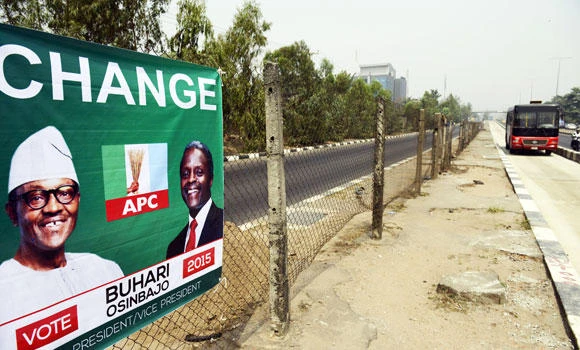
Feb. 14, 2015: Jonathan bids for a second term against former military ruler Muhammadu Buhari.
Timeline of political developments since independence