VIENNA: His eyes crinkle as he smiles softly at the camera, a trim white mustache contrasting with his tanned, weathered skin, the top button of his striped shirt casually undone.
“Mohammad Abo Khaled (64) From: Syria. He was on his way to Greek island last contact: 20/8/2015,” reads a post next to the photo published on a Facebook page for missing refugees.
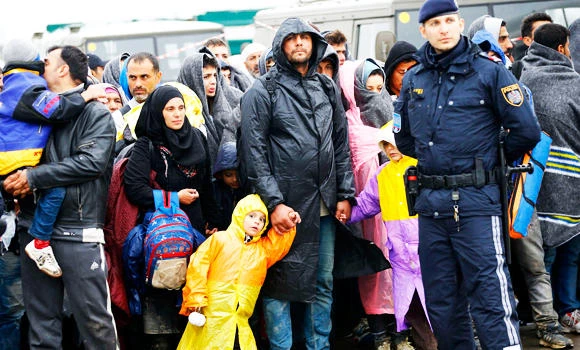
The 64-year-old is but one of many who have disappeared or been separated from their relatives as they cross waters in rickety boats, crowd onto trains or press through chaotic border crossings on their way through Europe, leaving families desperate for news.
“We’re a little overwhelmed by the situation,” admits Wilhelm Odde, in charge of the International Red Cross’s European department for missing people.
More than 360,000 people have made landfall in Greece this year, many of them Syrians fleeing all sides of their country’s conflict, setting off on a long, exhausting journey through the Balkans and Hungary to reach the safety of countries in northern Europe.
The exact number of people who have gone missing along the way is hard to come by, as aid groups struggle to keep up with Europe’s worst human exodus since World War II.
“We’re dealing with people who are moving very rapidly,” Odde explains, saying that people may report their loved ones missing in one place but quickly move on.
“They’re heading to lots of different countries and often get stuck on their way in countries which were not their initial target, and so it’s difficult to track them down.”
Tracing the missing on Europe’s refugee trail