GENEVA: The head of the World Health Organization conceded on Wednesday that the UN body was slow to respond to the outbreak of Ebola that has now killed more than 6,300 people in west Africa.
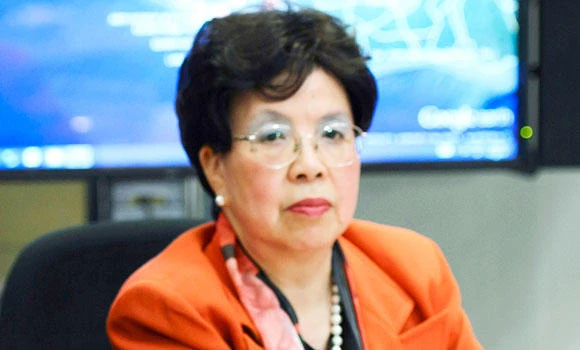
“It is fair to say the whole world, including WHO, failed to see what was unfolding, what was going to happen in front of our eyes,” WHO director general Margaret Chan told the BBC in an interview.
“An old disease like Ebola, when we put it in a new context, we were slow. All of us were slow to see the impact of social, cultural and economic situations on the ground.”
She added: “With the benefit of hindsight, I can tell you — we could have mounted a much, much more robust response.”
The WHO has faced criticism over its initial response to Ebola, including for being overly bureaucratic and too politicized to react quickly to global health crises.
Chan was speaking before she opened a high-level meeting in Geneva on how to improve the frail health care systems in Sierra Leone, Guinea and Liberia, the three countries worst affected by the outbreak.
The failure to recognize and address the deadly virus in the early stages has been blamed as one of the reasons that it has spread so far and been so deadly.
The outbreak began with the death of a young boy in Guinea in December last year, but as it spread, the virus was misdiagnosed twice as cholera and later thought to be Lassa fever, Chan told the meeting.
By the time it was finally identified as Ebola on March 21 this year, “the virus was firmly entrenched.”
“This is what can happen in the absence of a well-functioning health system,” the WHO chief said.
The two-day talks, which gather finance and health ministers from the three countries and a wide range of donors and NGOs, aims to find “practical actions” to strengthen their dilapidated health systems.
Chan stressed the urgency of the task, pointing out that the virus has pushed health care systems in Guinea, Liberia and Sierra Leone to the brink of collapse.
Time magazine on Wednesday named as its “Person of the Year 2014” the medics treating the epidemic, paying tribute to their courage and mercy.
“The rest of the world can sleep at night because a group of men and women are willing to stand and fight,” wrote Time editor Nancy Gibbs, announcing the prestigious annual title.
WHO admits mistakes in Ebola response