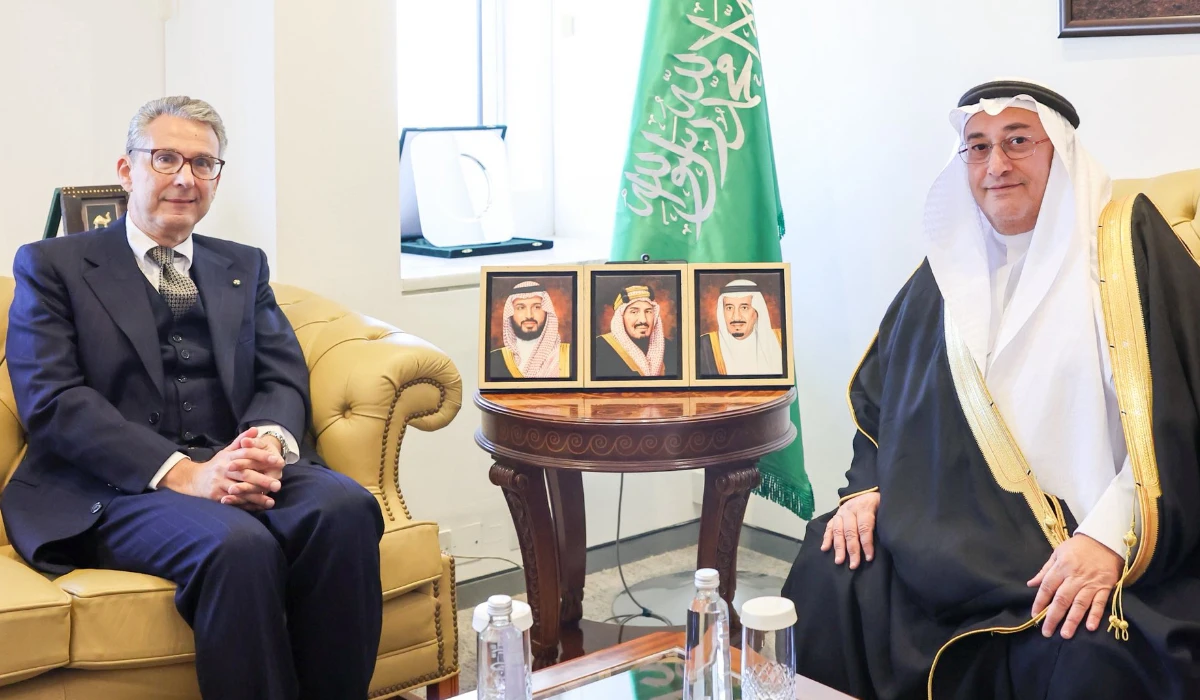
RIYADH, 4 April 2004 — Saudi Arabia’s new tourism strategy will focus on the local and regional markets, with “Umrah-plus,” a combination of pilgrimage and leisure, a major component in the drive to vitalize the industry, the Kingdom’s tourism chief said.
Prince Sultan ibn Salman, secretary-general of the Supreme Commission for Tourism (SCT), also denounced the recent arrest and mistreatment of a number of expatriate travel agency employees who had their heads shaven.
“We’re neither defensive nor apprehensive” about the fact that stringent social restrictions, chiefly on women, would appear to make Saudi Arabia an unlikely destination for tourists despite the stunning scenery it boasts, Prince Sultan said.
“Our biggest focus is the local market. We export 4-4.5 million (tourists) per year. All these people are not necessarily going out to drink,” he said, referring to the ban on alcohol in the Kingdom.
International tourism would center on attracting visitors from the Gulf and other parts of the Arab world, and introducing “Umrah-plus,” which would combine the minor pilgrimage to Islam’s holiest sites in Makkah and Madinah with leisure.
“The reason Saudi Arabia is enthusiastic about this is that the people coming for Umrah are pushing to stay here longer and will be able to tour the country,” AFP quoted him as saying.
The plan envisages turning Umrah service providers into tour operators, Prince Sultan added.
Six million pilgrims come to the Kingdom every year to perform Umrah and Haj, so “our success will hinge on winning the local market, Muslims, Arab communities and also advancing in different kinds of tourism — medical tourism, conferences, sports and shopping.
“We’ll be looking at tourism as an economic sector. It is today the third largest component in the Saudi economy after oil and industry, contributing nine percent of Gross Domestic Product... What we’re doing is turning tourism into an industry,” he said.
According to SCT figures, tourism-related spending reached nearly $17 billion in 2002 and is expected to climb to $27 billion by 2020 under the national tourism strategy approved by the government last month.
He said the Interior Ministry was investigating incidents last month in which some expatriate travel agency employees, mostly Asians, were arrested, jailed and had their heads shaven after their employers failed to meet a government deadline to hire Saudis to replace them.
“It was a mistake, I think, by some very low-level official who made a mistake with a couple of people who were sent to detention and treated like prisoners,” he said.
“It should not have happened. These people come to the country with a valid work visa ... and are here to do a service. I like what I heard from the Interior Ministry in terms of being fully transparent about this,” Prince Sultan said.
The process of Saudizing travel agencies has meanwhile been rescheduled and is due to be completed, “in partnership” with travel agencies, in two years time, he added.