- JEDDAH: Saudi Arabia's socioeconomic development is driving the need for substantial housing and mortgage financing within a short period of time.
- With this need for mortgage financing, the Kingdom has seen the development of specialized firms with global mortgage expertise calling Saudi Arabia home.
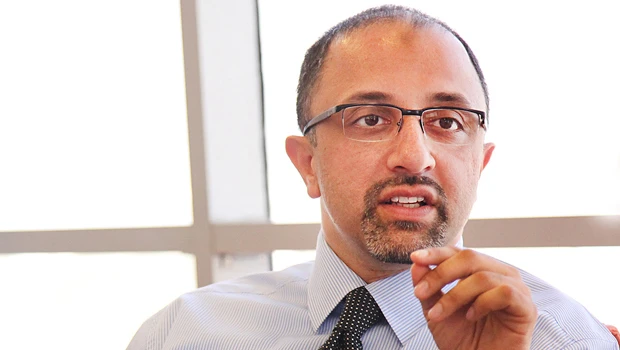
According to Naveed Siddiqui, chief executive officer of CGI, SR1.2 trillion in house financing demand is expected over the next 10 years in the Kingdom. According to recent studies, over half of the population of Saudi Arabia still rents and over 60 percent of the population are below the age of 30 — on the path of forming new households. Siddiqui said in order to meet the rising demand for housing, affordable mortgage financing must be made available to the currently underserved middle market segment in the Kingdom.
"Saudi Arabia is the right place for CGI to base its operations. Unlike other markets in the region there is a true indigenous demand for housing and mortgage financing. Our goal is to work with both the public and private sectors to ensure that a stable and healthy mortgage industry is developed in the Kingdom," Siddiqui added.
Saudi Arabia has taken critical steps toward building the requisite infrastructure to support mortgage lending. Although not yet enacted, a mortgage law addressing foreclosure processes and streamlined title and lien registration is expected to be in place by the end of this year, he said. Moreover a credit reporting bureau (SIMAH) has been established in the Kingdom and is achieving market-wide acceptance leading to more positive consumer payment habits.
Currently, mortgages make up only 2 percent of GDP (gross domestic product) in the Kingdom, but 55 percent and 20 percent of GDP for UK and Malaysia, respectively. The gap highlights the opportunity for expansion of affordable financing solutions to the broader population in the Kingdom, he said.
The demand for homeownership among the middle class is increasing in Saudi Arabia while developers are struggling to maintain supply. Conservative estimates indicate that 150,000 new homes will be needed annually across the country over the next 10 years. Siddiqui said using 150,000 housing units at an average value of SR800,000 put capital requirement at SR120 billion per year and SR1.2 trillion over 10 years in the Kingdom.
The Saudi banks have reserved their limited amount of mortgage financing for a small segment of upper-income customers. Currently, mortgages make up only 1 percent of bank assets while consumer lending accounts for almost a quarter of all lending in Saudi Arabia, he said.
CGI recently published a study which addresses the need for the creation of a mortgage liquidity center in Saudi Arabia. The study analyzes examples from both emerging and developed markets and makes recommendations for a model mortgage liquidity center in the Kingdom. In nascent mortgage markets, the creation of a mortgage liquidity center (MLC) is a critical milestone for developing a stable and effective mortgage market, Nasser Nubani, executive vice president of CGI, said. The main role of the MLC is to make capital available to primary lenders such as banks and specialized non-bank mortgage lenders.
He added the real estate and mortgage industries in Saudi Arabia present tremendous potential. In order for these burgeoning industries to translate their success into an increase in homeownership throughout the country, the mortgage law and its supporting regulations must be effectively administered. MLCs critically impact the development of local mortgage industries. "The liquidity dynamic fostered by MLCs enhances home ownership, reduces lending rates, increases financing tenors, and fosters growth of the overall mortgage financing industry," Nubani said.
As Saudi Arabia's mortgage law will be approved soon, Nubani said in any economy, enactment of a mortgage law is a critical milestone in the path toward large-scale homeownership. "For Saudi Arabia, enactment of the mortgage law will not flip a magic switch that will automatically turn renters into homeowners. In order for the mortgage law to deliver on its long-term objective of increasing homeownership in the Kingdom, two critical things must happen — the mortgage law must be supported by effective regulation and developers must be able to quantify the profitability of building homes for middle market homebuyers," he said.