- DAKAR/N’DJAMENA: As Libyan leader Muammar Qaddafi’s rule crumbles, fears over the whereabouts of his remaining weapons, especially surface-to-air missiles, are topping the fears of neighboring nations in the Sahel region he had for so long held sway over.
Governments who had lucrative but often tricky ties with Qaddafi and stood on the sidelines during months of fighting, are increasingly adopting realpolitik in recognizing the rebels, probably in the hope that, once in power, they will help boost regional security threatened by groups linked to Al-Qaeda.
However, many on the street across countries that Qaddafi lavished with much of his largesse during years in power, are watching his demise with a mix of anger and nostalgia.
During four decades in power, Qaddafi has used his petro dollars to buy influence through donations, investments and sometimes helping prop up or topple nations throughout the Sahel — a band that runs across Africa south of the Sahara.
Although not yet captured, his void is already being felt in poorer neighbors to the south.
“We have to look at the post-Qaddafi (era),” said Soumeylou Boubeye Maiga, Mali’s minister of foreign affairs.
“The main concern is the reinforcement of terrorist groups,” Maiga said, underscoring fears that looted Libyan arms stocks will end up in the hands of groups linked to Al-Qaeda, whose influence has spread in the Sahara and Sahel in recent years.
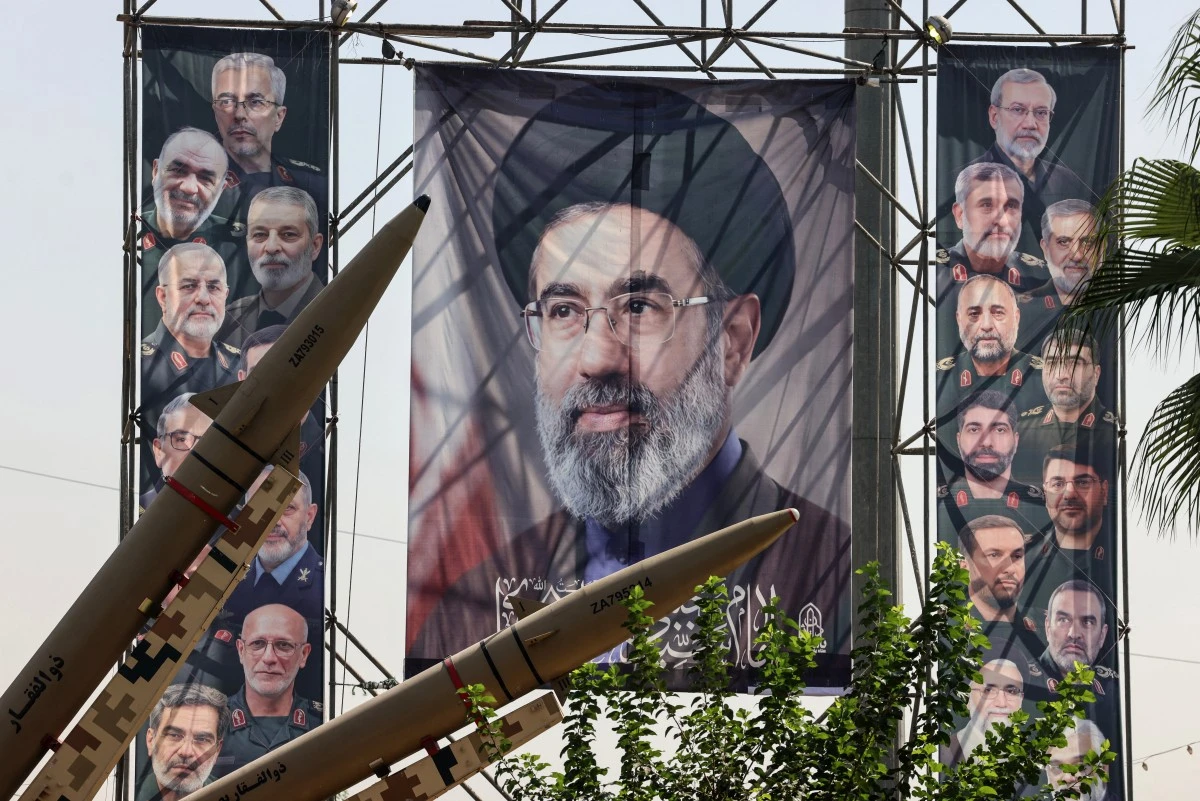
Governments are especially concerned about missing shoulder-fired anti-aircraft missiles.
Nigerian security forces have also seized vehicles and explosives believed to have come from Libya.
Maiga said Mali, like other nations whose citizens had also flocked to Libya in search of jobs, including some as pro-Qaddafi mercenaries, was also having to tackle the return of thousands to already poor, fragile parts of the country.
These fears are particularly acute Chad and Niger, where government control over some zones is almost non-existent.
“Qaddafi had lots of links with the population but relationships between states are the most important thing for us,” Maiga said, explaining that Mali had not yet recognized the rebels as it was part of an African Union negotiating team.
Burkina Faso, Chad and Nigeria, all of which had remained largely neutral, this week recognized the rebels, ahead of an official AU statement expected later on Thursday.
Qaddafi’s role across Africa has ranged from the concrete, often in the form of investments in banks, hotels, agriculture or military support, to the grandiose, including the idea of a trans-Sahara highway or a United States of Africa.
In the sweltering rainy season heat, Chadians in a cafe the capital, N’Djamena, have been glued to rolling news coverage of the battle for Tripoli.
“It is heartbreaking what is happing in Libya,” said one customer, who gave his name only as Ismael. Another accused Western powers of wanting to oust Qaddafi to recolonize Africa.
“Qaddafi was the only head of state who always left lots of presents when he came here,” said Mobeul, a third.
Qaddafi’s meddling in conflicts included Chad, Liberia and Sierra Leone, while more recently he had been accused of using his influence to both stoke and resolve rebellions by nomadic Tuaregs in Mali and Niger.
In Mali, where Libya is one of the top foreign investors, thousands have held prayer sessions and taken to the streets in a series of pro-Qaddafi demonstrations.
Issoufou Bachard, Niger’s former ambassador to Tripoli, said Africa would miss a pan-African counterweight to Western influence in Africa with Qaddafi’s departure.
“He was the only one who would resist ... but he also helped Africans a lot,” Bachard said.
Yet a cable from the US embassy in Niger, describing a typically extravagant visit by Qaddafi to the north of the country in 2007, illustrates the complex relationship.
“Locals' responses were ambivalent, as they ever are when Niger’s eccentric and powerful neighbor is concerned.”
“Nigerians at all levels seemed content to get what they could from the ... event while expressing skepticism about the nature and reliability of their VIP guest,” said the cable.
While some of Qaddafi’s more extravagant ideas, often seeking to play on pan-African or anti-Western sentiment, may not have gained high-level traction, his financial clout at bodies like the AU was real.
Analysts say that Libya’s estimated funding of 15 percent of the continental body’s budget will be missed as the nation is likely to focus on reconstruction, although AU officials say payments had slipped even before the conflict.
That could allow Angola and Equatorial Guinea to use their oil wealth to boost their standing at the AU, and raise their profile on the continent after years of being turned inwards.
But Alex Thurston, Nigeria expert and author of the Sahel Blog, said Abuja could also gain clout, if it wanted.
“Nigeria has internal problems, of course, including the rebellion by Boko Haram and lingering grievances in the Niger Delta,” he said in a post at .
“But Nigeria’s financial and political influence could loom larger in the post-Qaddafi Africa, where Libyan petrodollars and the colonel’s machinations are no longer the force they once were.”