- Creators tell Arab News that TikTok restricts videos condemning Houthis
- TikTok says decisions are impartial, promises to engage with local users
RIYADH: Saudi Arabia content creators are calling for a boycott of TikTok beginning Tuesday, Oct. 27, after reporting that videos condemning Houthi attacks on the Kingdom and expressing support for Saudi Arabia were removed or restricted by the platform.
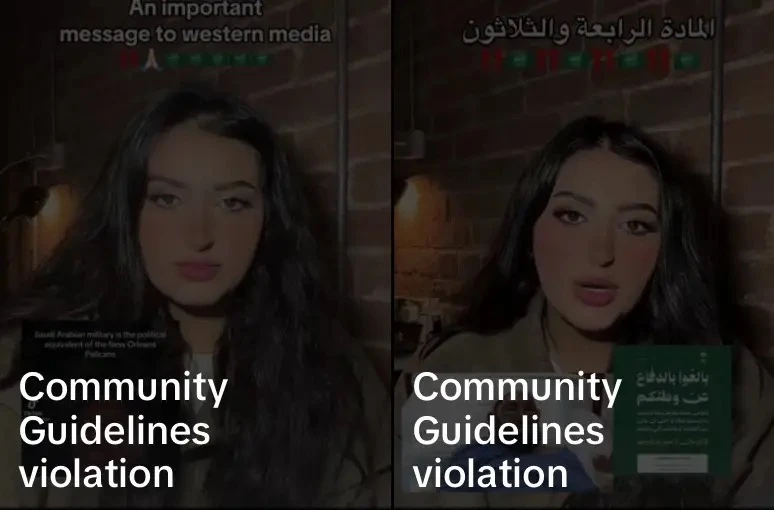
The campaign, promoted on X under the slogan “Saudi Arabia is a red line,” has drawn attention to complaints from creators who say their videos were flagged for violating TikTok’s Community Guidelines without sufficiently clear explanations.
TikTok, however, told Arab News that its moderation policies are applied impartially and that decisions are not based on political perspectives.
Joud AlBader, a Saudi content creator with more than 200,000 followers on TikTok, said three of her videos supporting the Kingdom were removed before being reinstated following appeals.
“My videos were respectful and focused on my country, my people, and misinformation being spread about Saudi Arabia. (The videos) did not promote hate, harassment, violence, or harmful behavior,” she told Arab News.
“I do not believe the flagging was fair,” AlBader said.
The dispute comes amid heightened tensions following Houthi attacks on Saudi Arabia, including strikes affecting economic infrastructure and airports, and threats involving the holy cities of Makkah and Madinah.
Saudi residents and content creators have used social media to condemn the attacks and express support for the Kingdom’s military and leadership.
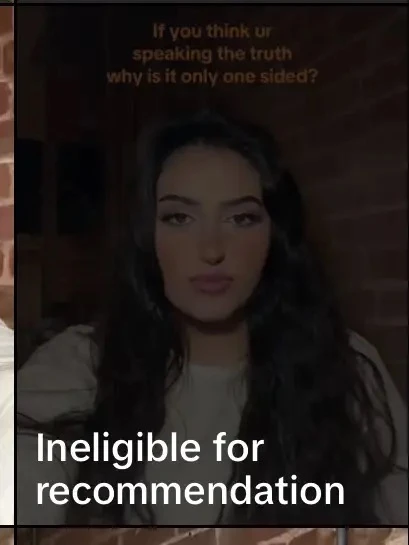
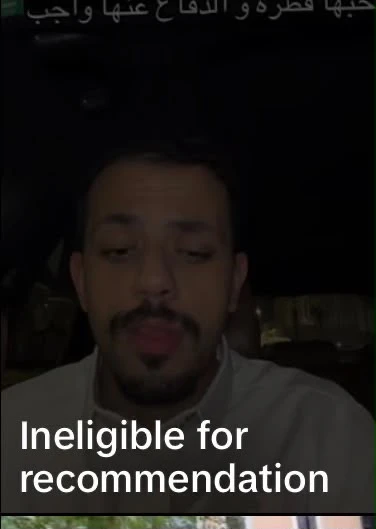
Some creators say videos addressing these developments have been removed, while others report that their content has been made ineligible for recommendation on TikTok’s For You feed.
AlBader said she received notifications about her three videos approximately five hours after posting them.
“I posted three respectful videos supporting and defending Saudi Arabia, addressing misinformation and unfair narratives about my country and its people. I received the notifications around five hours after posting,” she said.
She described the experience as unprecedented for her account, saying all three videos were removed consecutively.
AlBader, whose content focuses on Saudi culture and social issues, said she was not told precisely which provisions of the platform's guidelines the videos had breached.
She added that other Saudi creators had contacted her about similar experiences.
“Similar concerns have been raised publicly by other Saudi creators that have directly messaged me about their similar experience,” she said.
According to AlBader, some creators also received emails from TikTok concerning alleged guideline violations.
She acknowledged that she could not establish exactly why her videos had been flagged.
“It may have been related to the type of content, automated moderation or recommendation systems, or reports from people who disagreed with my views. In any case, I believe the respectful tone and full context of the videos should have been considered more carefully.”
Although her appeals were successful and her account was not permanently banned, AlBader said the original decisions remained troubling.
She described them as “concerning and absolutely unacceptable.”
Addressing TikTok’s Middle East and North Africa team, she called for greater transparency and a better understanding of regional perspectives.
“TikTok MENA should genuinely listen to the creators and communities it serves. Saudi creators are not asking for special treatment or exemption from the rules; we are asking for the rules to be applied fairly, consistently, and with an understanding of our language, culture, and context.”
“Creators should receive clear explanations when content is flagged and have a meaningful opportunity to appeal. We want TikTok to remain a platform where people can speak respectfully about their countries and communities without being unfairly silenced.”
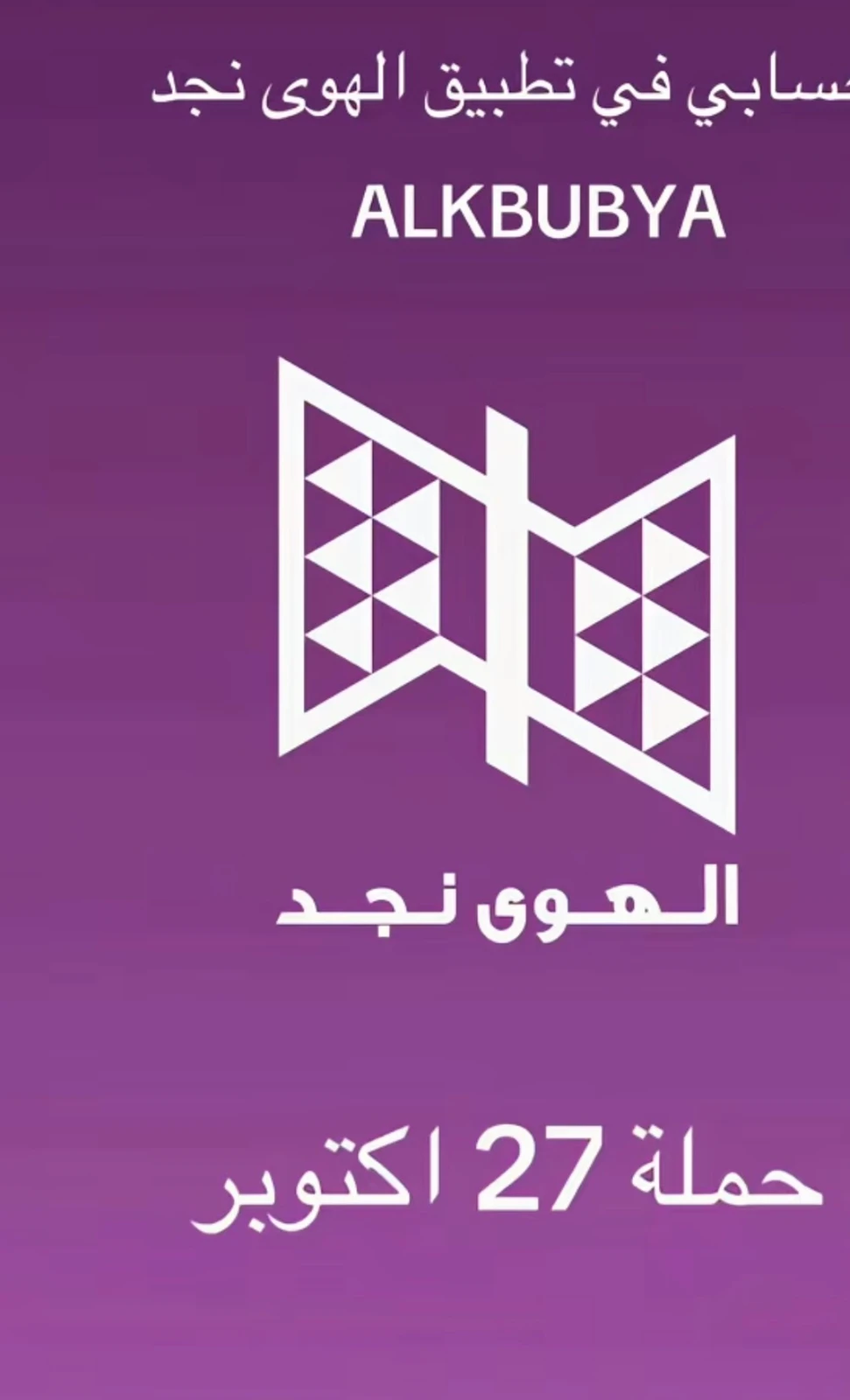
The controversy has prompted calls for a boycott of the platform beginning Oct. 27, with campaign supporters seeking to draw attention to what they consider inconsistent treatment of Saudi-related content.
Among those promoting the campaign is Saudi creator Al-Khaboubiyah Ameerah, known as Alkbubya on TikTok, who has built an audience of about 900,000 followers by sharing her traditional Saudi home, lifestyle and cultural heritage.
Ameerah told Arab News that she first learned of the proposed boycott through a Saudi technology content creator who said one of his videos had been removed.
After reviewing what she described as evidence of the restrictions, she and several other creators decided to amplify the campaign in the hope of drawing attention to TikTok’s policies and encouraging changes.
She explained that the choice of Oct. 27 was intended to coincide with Saudi salary payments, which she believes contribute to spending on the platform.
“The 27th of the month is an important day for the company, as it coincides with Saudi paydays when billions are pumped into the app, whether through supporters in livestreams, shoppers from stores, or sponsored ads,” Ameerah said.
“This financial impact on the app will amplify our voice and support it. Even if we don’t see immediate, tangible results, we will be able to send an indirect message that the app thrives on Saudi hands, and they are fully capable of abandoning it to defend their homeland,” she told Arab News.
Ameerah said she had also experienced restrictions on her own content.
One of her videos, she explained, discussed Saudi Arabia’s contributions to Islam and Muslims, including the expansion of the two holy mosques under successive kings, support for pilgrims and the printing and distribution of the Qur’an.
She said the video highlighted what Saudi Arabia has “provided to Islam and Muslims around the world, starting from King Fahd, to custodian of the two holy mosques.
“And what he, King Abdullah, and King Salman, provided in terms of expanding the two holy mosques, hosting pilgrims at the expense of the state, establishing an institution for printing the holy Qur’an and distributing it for free to Muslims around the world.”
“And I spoke about the King Salman Humanitarian Aid and Relief Centre and the humanitarian initiatives it carries out for afflicted Muslim countries, and a long list,” she added.
According to Ameerah, the video was removed within 15 minutes of publication and marked as ineligible for recommendation.
“None of my videos have ever received this before,” she told Arab News.
“No opportunity was given to appeal the deletion decision, and it was clarified that it violates the app’s policy,” she said.
Ameerah attributed the decision to what she regards as a lack of understanding of Saudi culture and religious traditions.
She described the platform’s approach as “an unclear policy due to its ignorance of Saudi,” and referred to “its ignorance of the customs and beliefs of this people, who are the main backbone of TikTok.”
Responding to Arab News, TikTok said its moderation decisions were impartial and not based on political perspectives.
In a statement to Arab News, the company said: “TikTok’s Community Guidelines apply equally to everyone, combining global safety standards with local expertise and cultural understanding.
“Moderation is impartial and decisions are not based on political perspective. Content unsuitable for a broad audience may be ineligible for For You recommendations without being removed.”
The platform also outlined the process available to creators who wish to challenge moderation decisions.
“Creators are notified to review the reason and can submit feedback on our decision and appeal if they believe we’ve made a mistake. If the appeal is successful, their post will be eligible for recommendation in the For You feed.”
Another Saudi creator, Abdulrahman A., known as @Abdu_emu on TikTok, told Arab News that he had encountered both types of moderation action after publishing content condemning the Houthi attacks.
“I don’t believe the video violated TikTok’s Community Guidelines. It was a clear message condemning the Houthi attacks against Saudi Arabia and its holy cities of Makkah and Madinah, while expressing our support for the Kingdom and its leadership,” he said.
“I included both Arabic and English captions to help the message reach a wider audience, including international TikTok creators and users, so they could better understand the Saudi public’s perspective on these events. I can’t say for certain why the video was restricted.”
Abdulrahman described the material as “content condemning the Houthi attacks against Saudi Arabia, as well as an awareness video expressing trust and confidence in our leadership.”
He said it was the first time he had encountered such restrictions.
One notification informed him that a video had violated TikTok’s Community Guidelines, while another concerned its eligibility for recommendation.
“For another video, I received a separate notification stating that it was ineligible for recommendation on the For You Page,” he explained.
Asked why he believed his content had been restricted, Abdulrahman said he was concerned about the treatment of material dealing with regional conflicts.
“I am concerned that content addressing sensitive regional issues may face restrictions on international platforms.”
He also questioned the decisions in light of TikTok’s commercial involvement in Saudi Arabia.
“I did not expect this to happen, particularly given TikTok’s sponsorships and collaborations with major events in Saudi Arabia, such as Riyadh Season.”
“I had expected the platform to demonstrate a greater understanding of the region and the issues affecting its communities,” he said.
In its response to Arab News, TikTok emphasized its engagement with Saudi audiences and creators.
The company said it would “continue to celebrate Saudi culture and creators, including through our recent Saudi National Day campaign on TikTok LIVE, ‘Heritage Comes Alive,’ which was viewed by hundreds of thousands of people in the Kingdom and beyond.”
Abdulrahman said the issue extended beyond individual videos to the relationship between the platform and its regional creator community.
“My most recent experience involved videos addressing the Houthi attacks against Saudi Arabia and expressing support for our leadership.”
He urged TikTok’s MENA team to give greater consideration to the experiences and concerns of local creators.
“I would encourage the TikTok MENA team to give greater attention to the needs and experiences of Saudi and MENA creators.”
“The creator community in the MENA region is substantial and continues to grow, making it difficult to understand why its needs and concerns might not receive the same level of attention as those of other markets,” he said.
“Regional creators should have access to comparable opportunities and support, including creator funds, as well as fair and consistent content moderation that respects freedom of expression.”
“It is important that Saudi and MENA creators feel equally valued, represented, and supported on the platform,” he added.
AlBader said she believed the boycott campaign reflected a broader frustration among creators who felt they were not receiving adequate explanations for moderation decisions.
She said the issue was not whether TikTok should moderate content, but whether its rules were being applied consistently and with sufficient awareness of local context.
“People are asking for transparency, fair treatment, and a meaningful appeals process,” she said.
“The issue is not moderation itself, but whether it is applied fairly, consistently, and with an understanding of Arabic language and regional context.”
For AlBader, the desired outcome is a constructive conversation between the company and its Saudi users, rather than a confrontation.
“I hope it leads to constructive dialogue between TikTok and creators in the region, with clearer moderation decisions, better appeals, and greater understanding of local language and culture. The goal is fairness and accountability, not conflict.”