
- TRIPOLI: The Libyan rebel government hopes to restart oil exports within two weeks and reach full volumes in about a year, Ali Tarhouni, the official in charge of financial and oil matters said.
“The NOC (National Oil Corporation) initial estimate is that we can have about 500,000 to 600,000 barrels within two to three weeks. And then we ramp this up to the normal, which is about 1.6 (million). My expectation is that this will be done within a year or so,” Tarhouni said.
Damage on most of Libya’s oilfields from the civil war has been minimal, he said.
“The state of the oil fields are a lot better than expected,” he said.
“Overall if we want to put a number on it, the average is about 10 percent or so. Most of the fields are more than 90 percent fine.”
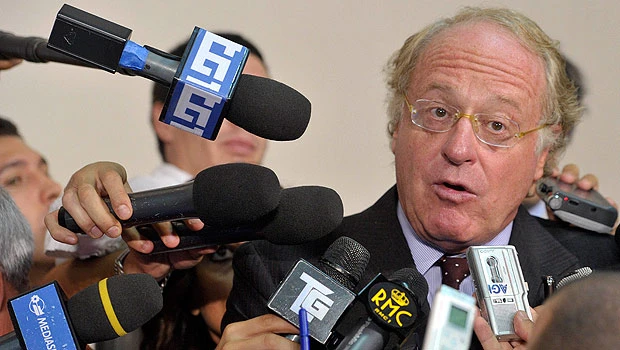
His remarks came as Eni CEO Paolo Scaroni said it will take six to 18 months to resume its oil production in Libya depending on the fields.
“It will take time. I would say 6-18 months,” Scaroni said after a meeting between Italian Prime Minister Silvio Berlusconi and Libyan rebel government leader Mahmood Jibril.
Scaroni said Eni’s focus was on getting its Libyan gas flows working again and reiterated he was not concerned about Eni’s contracts in Libya.
He said there had been no talks about new contracts at the meeting.
Tarhouni also said Libya would continue to honor existing contracts with oil companies.
Asked if there would be any block for companies from countries that had not supported the rebels, he responded: “Not that I know of.”
“We have contracts with most of the major companies. Wintershall, Shell, Repsol. We haven’t signed any new contracts. These are pre-revolution contracts. We are going to continue those.”
He also said it was too early to discuss awarding any new contracts: “It’s the last thing on my mind.”
“We’re just going to put back things as they used to be. The NOC is the one that is practically running the oil industry. We will restructure that to make sure that it’s nimble.”
Asked who will be running the oil industry for the foreseeable future until a general election, Tarhouni said: “I’m in charge until they decide to use somebody else.”
Tarhouni, formerly a US-based academic and opposition figure in exile, returned to take charge of economic, financial and oil matters on the rebels’ executive committee.