RIYADH: Egypt’s annual core inflation slowed by 0.8 percentage points to 14.1 percent in September, although rising vegetable prices pushed up monthly consumer costs, highlighting persistent pressure on household budgets.
The Central Bank of Egypt reported the decline, while data released by the Central Agency for Public Mobilization and Statistics showed annual urban headline inflation slowing to 13.9 percent from 14.5 percent.
Monthly urban inflation rose to 1.3 percent in September from 0.1 percent in August, but remained below the 1.8 percent recorded in September 2025. Monthly core inflation also increased, climbing to 0.8 percent from 0.3 percent in August.
Despite the annual slowdown, inflation in Egypt remains substantially higher than in several Gulf economies.
The rate in Saudi Arabia held at 1.8 percent in August, while Oman’s reached 3.4 percent, according to official data.
S&P Global expects Egypt’s inflation to average 12.9 percent in fiscal 2026/27 before easing to 9 percent by fiscal 2028/29.
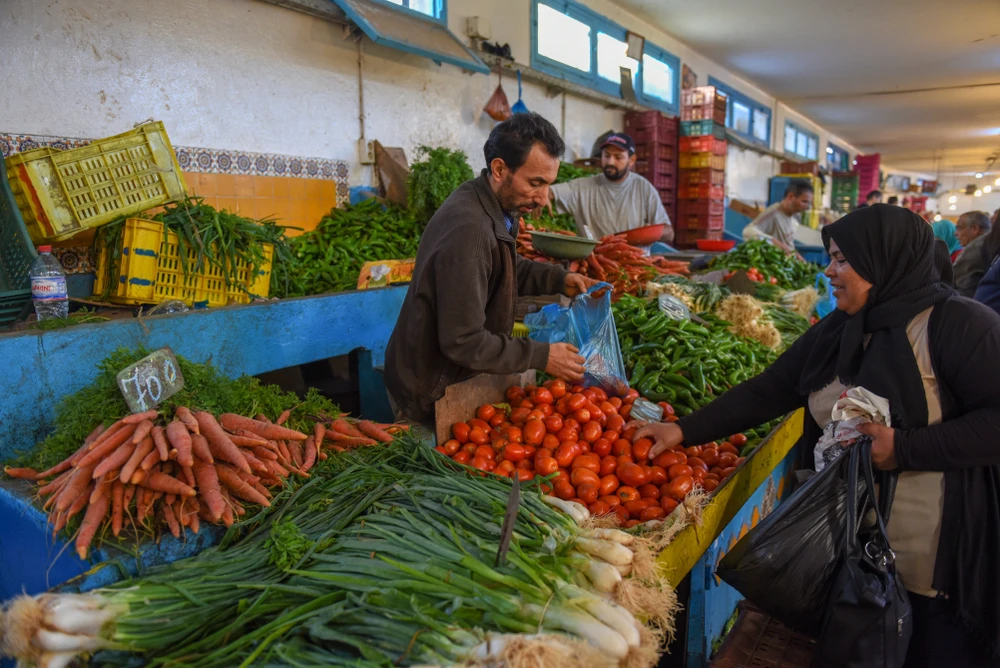
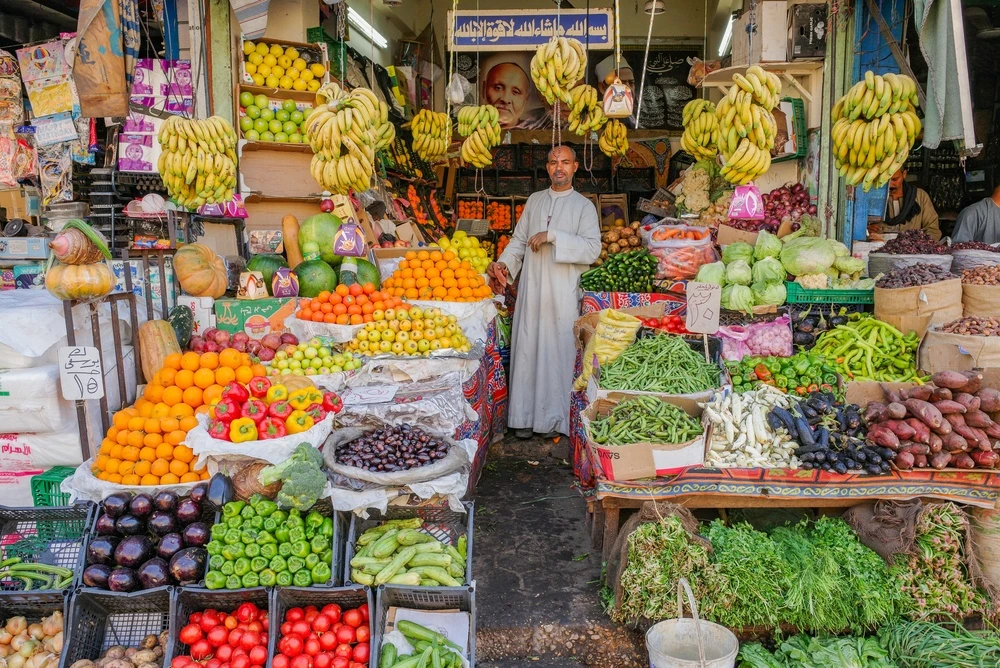
Ramzi Abou Abdallah, senior market analyst at Phystone Financial Advisory, told Arab News that easing annual inflation does not necessarily translate into lower consumer prices, noting that food-price volatility, particularly in vegetables, disproportionately affects lower-income households.
“For households, the distinction between slower inflation and falling prices is crucial: even when inflation eases, living costs generally continue rising,” he said.
Abou Abdallah highlighted that elevated global energy prices, regional uncertainty and further adjustments to administered prices could slow the pace of disinflation.
Nationwide inflation
Annual inflation nationwide edged up to 12.8 percent in September from 12.7 percent in August, according to CAPMAS. The nationwide consumer price index rose 1.5 percent month on month to 294.2 points, the agency said.
Vegetable prices surged 15.1 percent during the month, while fruit prices climbed 2.6 percent and meat and poultry prices increased 2.5 percent, underscoring the continuing impact of food-price volatility on consumers.
Food and beverage prices rose 3.2 percent month on month, according to CAPMAS data. Clothing and footwear prices increased 0.8 percent, while audio-visual and photographic equipment prices fell 1.1 percent and organized tour prices declined 0.6 percent.
Economic outlook
Earlier this month, S&P Global affirmed Egypt’s sovereign credit ratings at “B/B” with a stable outlook, citing policy measures that helped contain the economic impact of regional conflict and a recovery in foreign-exchange buffers.
Egypt’s net international reserves reached $57.35 billion at the end of September, according to the central bank.
Fitch Ratings, which affirmed Egypt’s credit rating at “B” with a stable outlook on Oct. 8, cited elevated inflation, weak public finances and geopolitical risks as constraints on the country’s creditworthiness.
S&P also warned that intermittent gas supply disruptions and renewed pressure on shipping through the Bab El-Mandeb Strait remained risks to Egypt’s economic outlook, given its reliance on energy imports.