- Finance Minister Mohammed Al-Jadaan emphasized the importance of regulatory frameworks and liquidity in supporting the sector amid economic challenges.
- The Kingdom is preparing for the third phase of Vision 2030, aiming for more efficient markets and a competitive private sector that can capitalize on new growth opportunities.
RIYADH: Saudi Arabia’s financial sector demonstrated resilience in the second quarter of 2026, with strong banking indicators and growth across capital markets in preparation for the third phase of Vision 2030, the Kingdom’s finance minister said.
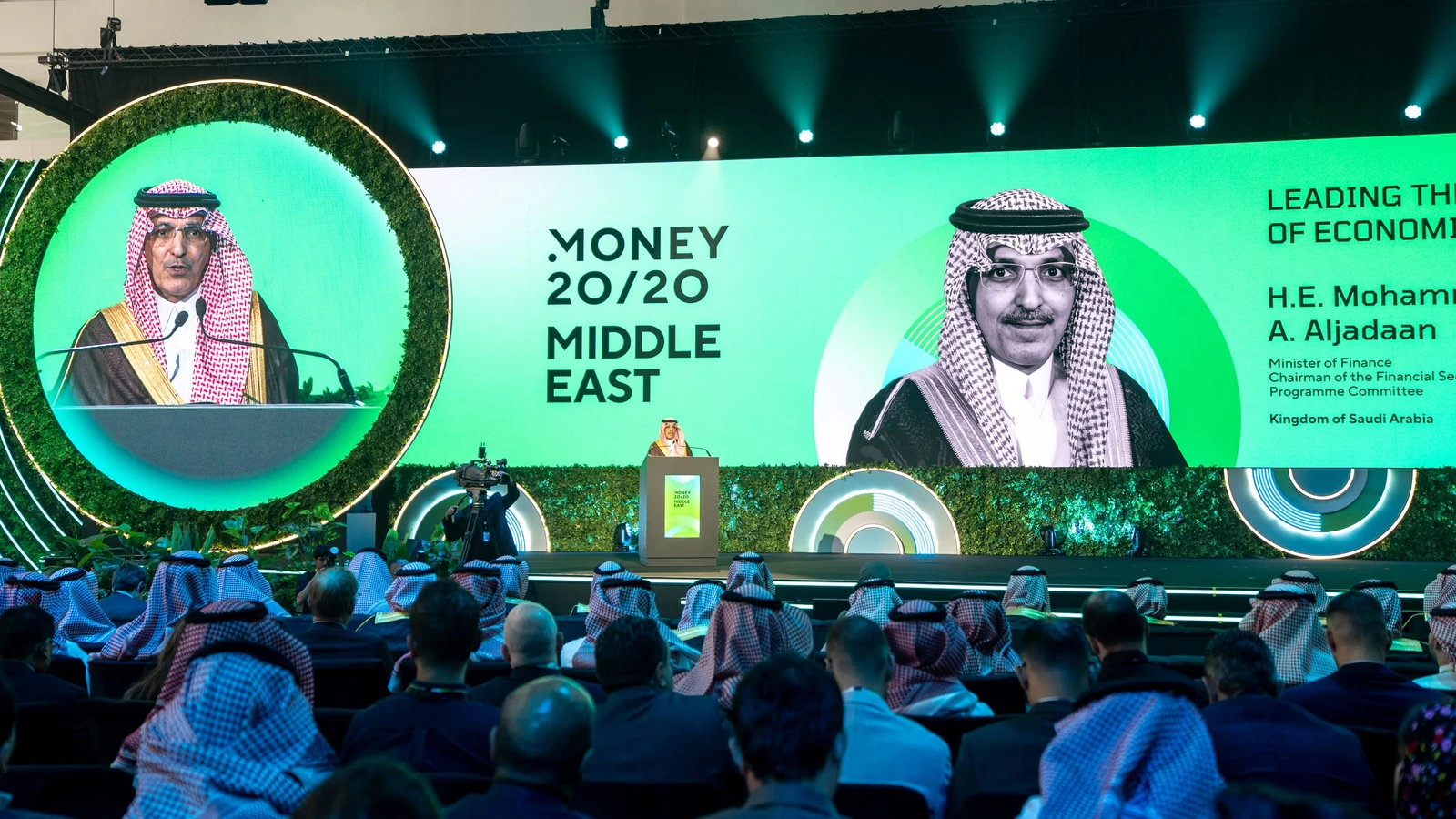
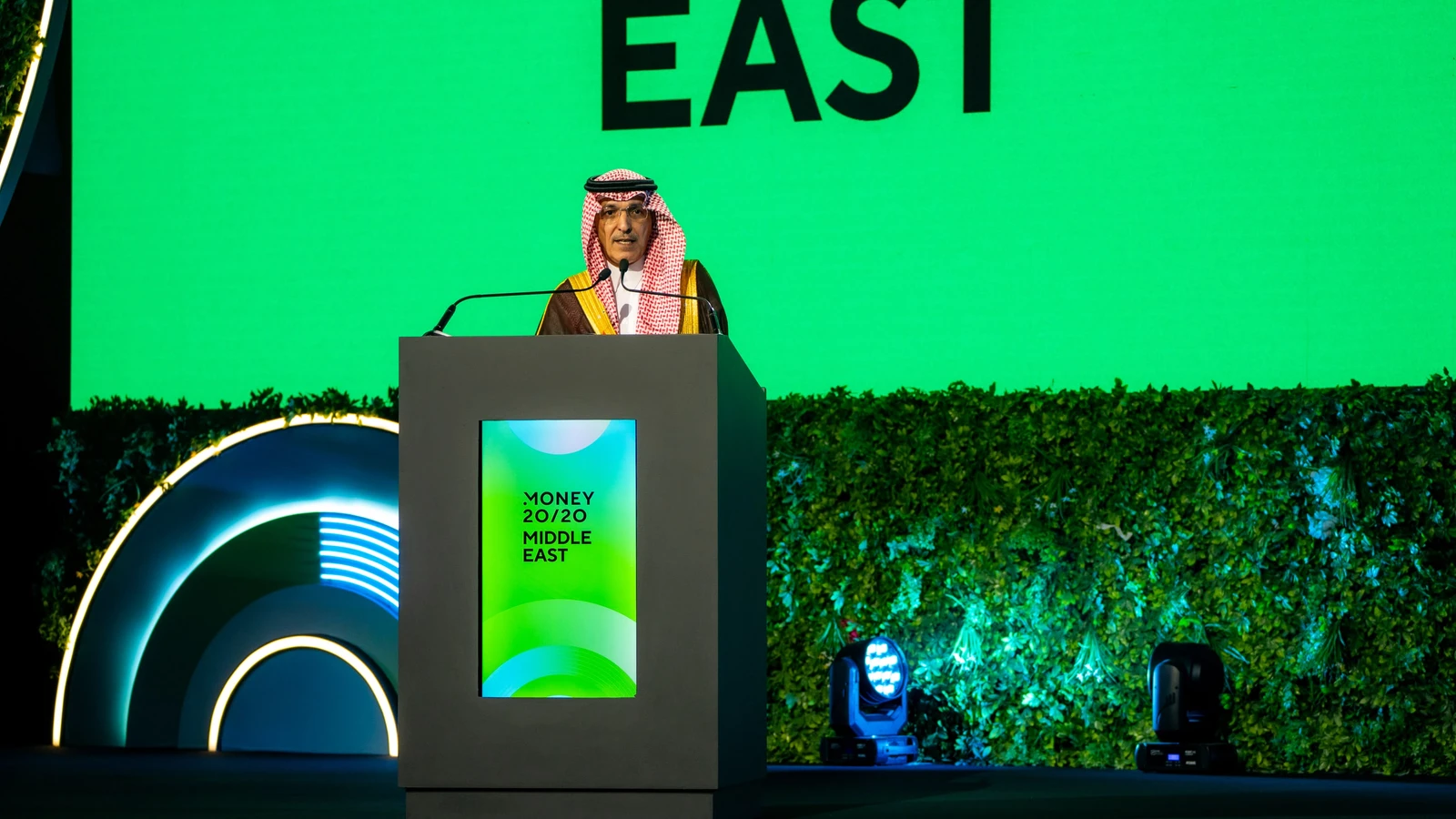
Speaking on the opening day of Money20/20 Middle East in Riyadh, Mohammed Al-Jadaan said the banking sector remained resilient during the quarter, while the number of licensed capital market institutions continued to grow.
Indicators across insurance, fintech and other segments had, in many cases, exceeded targets set under the Financial Sector Development Program, he added.
The financial sector has been a key pillar of Vision 2030, with the Financial Sector Development Program focused on strengthening banking, expanding capital markets, developing insurance and fintech, and increasing private-sector participation.
“Saudi Arabia’s financial sector has demonstrated clear resilience amid recent economic and geopolitical developments, underpinned by well-established regulatory and institutional frameworks and robust levels of capital and liquidity,” Al-Jadaan said.
Next phase
Al-Jadaan said the Kingdom is preparing for the third phase of Vision 2030, shifting the focus toward maximizing impact, sustaining the transformation achieved so far and capitalizing on new growth opportunities.
“The next phase aims to create more efficient markets, direct capital toward opportunities, and foster a private sector that is better positioned to grow and compete,” he said.
He added: “We aim to increasingly enable the private sector to grow and compete.”
Regional financial hub
The minister pointed to a recent Cabinet decision allowing regional headquarters of financial institutions to conduct cross-border financial activities as a step toward strengthening the competitiveness of the Kingdom’s financial sector.
In August, the Cabinet approved allowing regional headquarters of financial institutions licensed by the Ministry of Investment to conduct approved cross-border financial activities, expanding the scope of business that can be managed from the Kingdom.
Al-Jadaan said the move enhances the competitiveness of Saudi Arabia’s financial environment and reinforces its position as a regional hub for global financial institutions.
He also cited the inclusion of Saudi sukuk in emerging market indices as reflecting the development of the Kingdom’s domestic debt markets and the expansion of its investor base.
Money20/20 Middle East is held under Al-Jadaan’s patronage as chairman of the Financial Sector Development Program committee and hosted by the program alongside the Saudi Central Bank, the Capital Market Authority and the Insurance Authority.
Co-organized by Fintech Saudi and Tahaluf, the event is expected to draw more than 38,000 participants, 350 exhibiting brands, over 350 speakers and more than 600 investors. It runs until Sept. 16 at the Riyadh Exhibition and Convention Center in Malham.