LONDON: The outlook for sovereign ratings in Levant and North Africa is “broadly stable,” said Moody’s Investor Services in a new report.
The ratings agency said the region’s creditworthiness is benefiting from structural reforms, planned reconstruction efforts and the reopening of trade routes in former conflict areas.
As of Jan. 16, four sovereigns in the region hold “stable” outlooks, while Morocco has a “positive” outlook and Tunisia has a “negative” outlook.
Moody’s forecasted that Egypt will see the fastest growth in the region, with gross domestic product (GDP) rising from 4.2 percent in 2017 to 5.5 percent by 2021. The report pinpointed the country’s reform efforts — such as the floating of the Egyptian pound in November 2016 — as helping restore investor confidence in the country.
Morocco’s economic growth remains tied to the volatile agricultural sector, the report said, which will result in growth marginally slowing in 2018 to 3.5 percent from 3.9 percent the previous year.
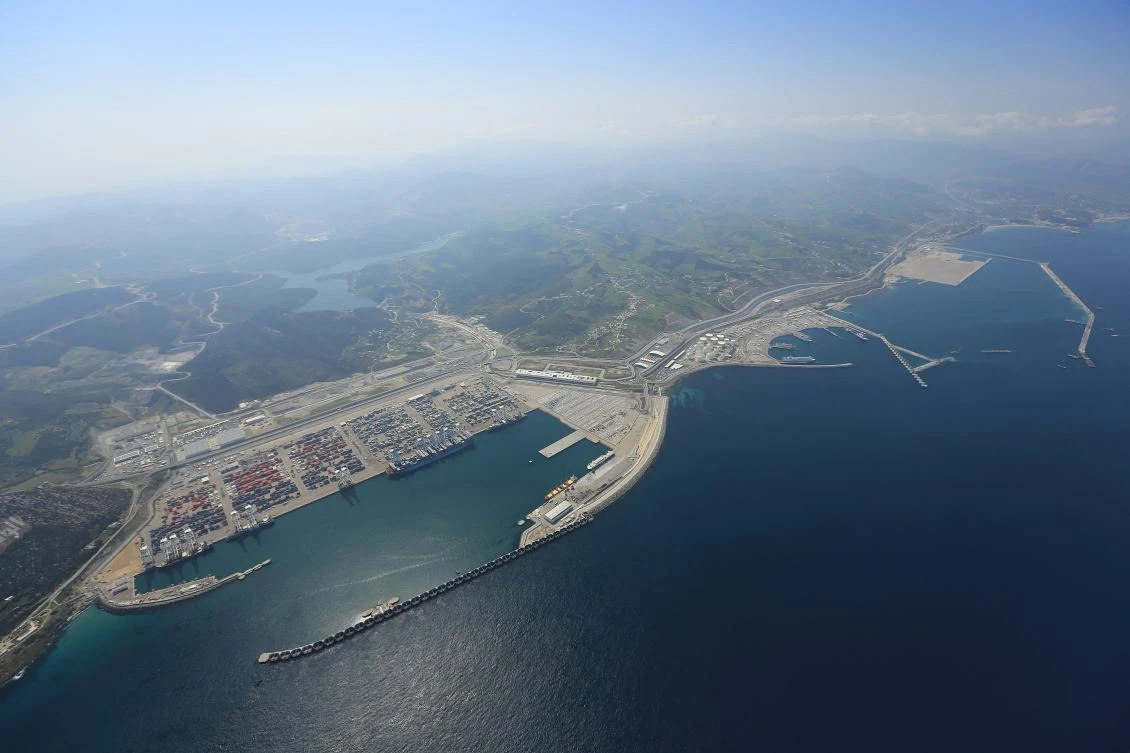
Moody’s noted that the country’s efforts to develop its higher-value manufacturing sector — in areas such as automotives, electronics and aeronautics — will drive non-agricultural growth. The expansion of the Tanger-Med port will help Morocco fulfil its plan to serve as a trade hub between Europe and Africa, the report said.
Tunisia’s improved security and decline in incidents of social unrest will help underpin its forecasted economic growth, said Moody’s, predicting GDP to rise by 2.8 percent this year from 2.3 percent in 2017.
Jordan’s GDP is forecast to grow by 2.5 percent this year, driven by the country’s services, tourism and mining sectors. The country’s subdued growth is partly due to the impact of regional conflicts in Syria and Iraq, and the economic pressure of taking in approximately 660,000 registered Syrian refugees. The country did manage to reopen the Karameh/Trebil border crossing with Iraq in August 2017 which will help underpin future growth.
Moody’s forecasted Lebanon’s GDP growth will rise to 2.8 percent in 2018, from 2.5 percent in 2017, supported by the anticipated resumption of delayed public investment projects in sectors such as waste management, transport and electricity.
The rating agency gave Iraq a first-time issuer rating with a “stable” outlook last August, with the agency anticipating volatile GDP growth due to the economy’s reliance on the oil sector.
While Moody’s predicted revived growth in the Levant and North Africa, the agency also warned of the risks to the region’s stability.
“A tightening of global financing conditions poses fiscal risks for some countries, and elevated political risk will continue to drive event risk in the region,” said Elisa Parisi-Capone, vice president and senior analyst at Moody’s.
The ratings agency said the region’s creditworthiness is benefiting from structural reforms, planned reconstruction efforts and the reopening of trade routes in former conflict areas.
As of Jan. 16, four sovereigns in the region hold “stable” outlooks, while Morocco has a “positive” outlook and Tunisia has a “negative” outlook.
Moody’s forecasted that Egypt will see the fastest growth in the region, with gross domestic product (GDP) rising from 4.2 percent in 2017 to 5.5 percent by 2021. The report pinpointed the country’s reform efforts — such as the floating of the Egyptian pound in November 2016 — as helping restore investor confidence in the country.
Morocco’s economic growth remains tied to the volatile agricultural sector, the report said, which will result in growth marginally slowing in 2018 to 3.5 percent from 3.9 percent the previous year.
Moody’s noted that the country’s efforts to develop its higher-value manufacturing sector — in areas such as automotives, electronics and aeronautics — will drive non-agricultural growth. The expansion of the Tanger-Med port will help Morocco fulfil its plan to serve as a trade hub between Europe and Africa, the report said.
Tunisia’s improved security and decline in incidents of social unrest will help underpin its forecasted economic growth, said Moody’s, predicting GDP to rise by 2.8 percent this year from 2.3 percent in 2017.
Jordan’s GDP is forecast to grow by 2.5 percent this year, driven by the country’s services, tourism and mining sectors. The country’s subdued growth is partly due to the impact of regional conflicts in Syria and Iraq, and the economic pressure of taking in approximately 660,000 registered Syrian refugees. The country did manage to reopen the Karameh/Trebil border crossing with Iraq in August 2017 which will help underpin future growth.
Moody’s forecasted Lebanon’s GDP growth will rise to 2.8 percent in 2018, from 2.5 percent in 2017, supported by the anticipated resumption of delayed public investment projects in sectors such as waste management, transport and electricity.
The rating agency gave Iraq a first-time issuer rating with a “stable” outlook last August, with the agency anticipating volatile GDP growth due to the economy’s reliance on the oil sector.
While Moody’s predicted revived growth in the Levant and North Africa, the agency also warned of the risks to the region’s stability.
“A tightening of global financing conditions poses fiscal risks for some countries, and elevated political risk will continue to drive event risk in the region,” said Elisa Parisi-Capone, vice president and senior analyst at Moody’s.