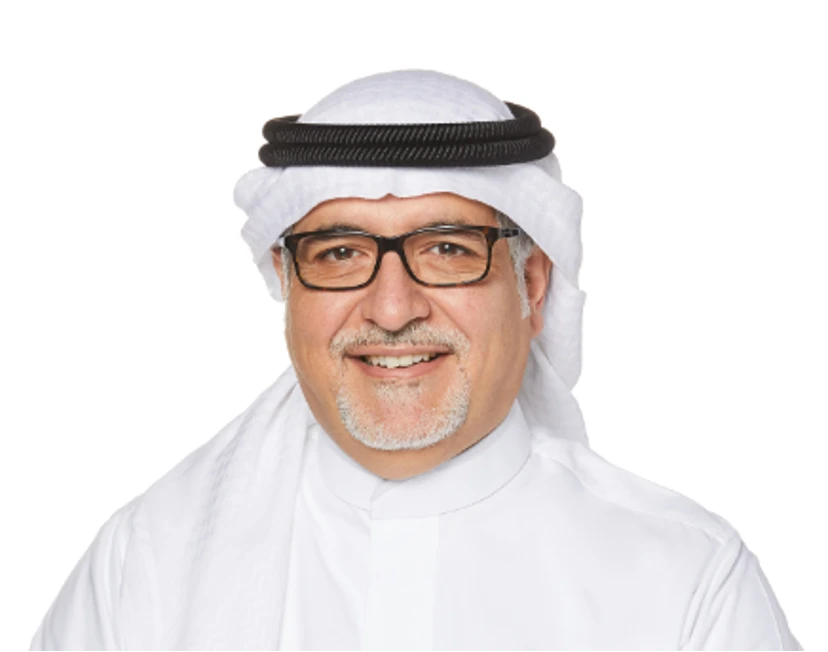
Fahad Habib spent years at some of the world’s most respected firms — BlackRock, KPMG and Kearney among others. What he noticed, across all of them, was that the skills people actually need to succeed at work are rarely taught in a classroom. How do you run a good meeting? How do you build a presentation that changes minds? How do you position an idea so that busy colleagues will listen? So he began posting short, practical lessons on TikTok under the name @abu_powerpoint. By August this year, he had 77,000 followers and more than 780,000 likes. He is far from alone, and from where I sit in government relations, what he represents matters to the Kingdom’s skills agenda.
Across Saudi Arabia, a vast experiment in informal learning is underway, with short-form video at its center. Millions of Saudi adults now routinely encounter upskilling content on TikTok — lessons, tutorials, and explainers spanning professional and everyday skills — and learning content commands a substantial and growing share of the time users spend on the platform.
This scale of activity complements what was already visible in the Kingdom’s broader creator economy, where more than a million content creators now operate, many of them moving into education and skills-focused content alongside entertainment and lifestyle. The point worth making in a policy context is that this is a form of learning outside formal education. No one is issuing diplomas. It is that this content is reaching people and skills gaps that formal programs often struggle to access — and, increasingly, serving as an on-ramp to more structured learning.
Consider what people are actually learning. Tech and AI topics are the most widely encountered, but the range is broad: creative skills, business knowledge, workplace advice, vocational training, cooking, fitness, personal finance. A large majority of Saudi adults have tried to build a skill outside formal education in the past year, and most describe upskilling as very important to them right now. The appetite is enormous — and the biggest barrier, for many people, is simply finding the time.
That is where short-form video fits. A three-minute lesson on presenting with confidence, a quick demonstration of a home science experiment, a recipe broken into steps — these are learnable moments that fit into gaps in the day rather than requiring dedicated hours at an institute.
The quality question is the obvious one. Can you really learn something useful from a 60-second video? Users themselves largely answer yes: many describe skills picked up on the platform helping them directly in their jobs, studies, or careers. And the platform is adding guardrails. TikTok’s STEM Feed in Saudi Arabia, for example, subjects content to third-party review for educational value and factual reliability before it appears in the dedicated learning feed.
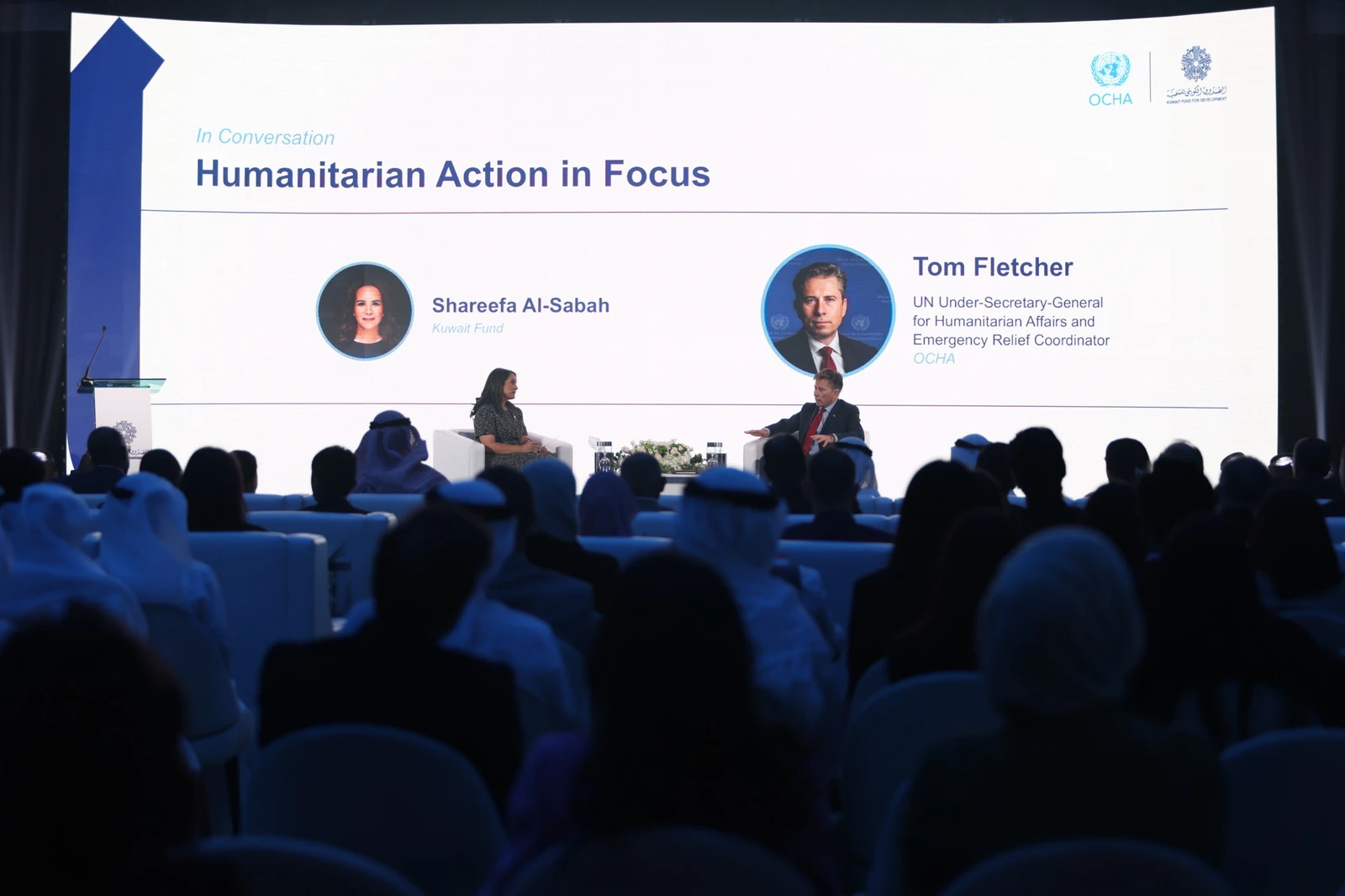
Some of the most compelling stories involve creators making specialized knowledge accessible in Arabic. Mechatrook, a Saudi creator with nearly 130,000 followers, builds short science and engineering experiments using household materials, so viewers can try what they see at home. He was one of four Saudi creators featured at the launch of the STEM Feed in the Kingdom. Fahad Almutairi, founder of Fahad Academy in Riyadh, started by posting short English lessons explained in Arabic — a format that lets learners grasp concepts in a familiar language before applying them in English. His first video was shared 500,000 times.
What makes this more than a collection of interesting videos is the progression it enables. People who encounter upskilling content rarely stop at watching: they save it, research further, practice the skill, or discuss it with others, and a substantial share go on to join some form of structured learning — a course, a workshop, or a training program, online or offline. In other words, informal discovery is increasingly the front door to formal education, not a replacement for it.
Partnerships with established institutions extend this pathway. INJAZ Al-Arab, a nonprofit training organization, has run a two-year entrepreneurship program with TikTok for university students across Saudi Arabia. In its second year, the program reached 517 students across 10 institutions in seven cities, with a parallel school track reaching 2,551 students. Women made up the majority of participants in both tracks. At Jubail Industrial College, one student team built Factory Brain — a digital repository that lets factory workers record short clips of practical knowledge, from equipment fixes to operating tricks that never made it into a manual. The project, led by chief operating officer Norah Alhajri, grew out of the program and addresses a real industrial challenge: how to capture and pass on experience before it walks out the door.
This model — discovery at scale, followed by structured pathways for those who want to go deeper — aligns with Saudi Arabia’s broader skills agenda. The government has invested heavily in training infrastructure, with SR8.29 billion ($2.21 billion) spent on Doroob e-training last year and more than 336,000 trainees across TVTC institutions. Yet the skills gap remains a live policy priority, and widening the pipeline of people who take the first step toward upskilling is now as important as expanding the institutions that deliver it.
Digital platforms will not close that gap on their own. But from a public-policy perspective, they can widen the pipeline of people who consider upskilling in the first place. They can reach women, young adults, and Saudi nationals — all priority groups for Vision 2030 — at a scale that complements formal institutions. And they can make the first step feel small enough to take.
In a country where the workforce is young and the economy is diversifying fast, perhaps the most important skill is the ability to keep learning. Saudi Arabia is building that ability, one short video at a time.
The writer is executive director of government relations and public policy, TikTok Saudi Arabia.