The Kingdom of Saudi Arabia, empowered by large investment plans in different industries and especially in the retail sector, could overtake its Gulf Cooperation Council (GCC) neighbors in terms of absolute scale and aptitude of opportunities. Saudi Arabia, which represents one of the biggest economies in the GCC and Middle East, has a retail market to match its robust development.
Last year, KSA increased its retail sales by 6.4 percent reaching up to SR361.14 billion, according to AT Kearney’s Global Retail Development Index, and total retail space increased by 5.6 percent to 2.1 million square meters. Retail experts operating in Saudi Arabia said that the growth in population is powering the sector. The country’s 30 million population is predicted to grow by 1.6 percent annually to reach 40 million by 2050 and almost 70 percent, according to official estimates, are aged 30 or under, which means it is a prime market for retailers.
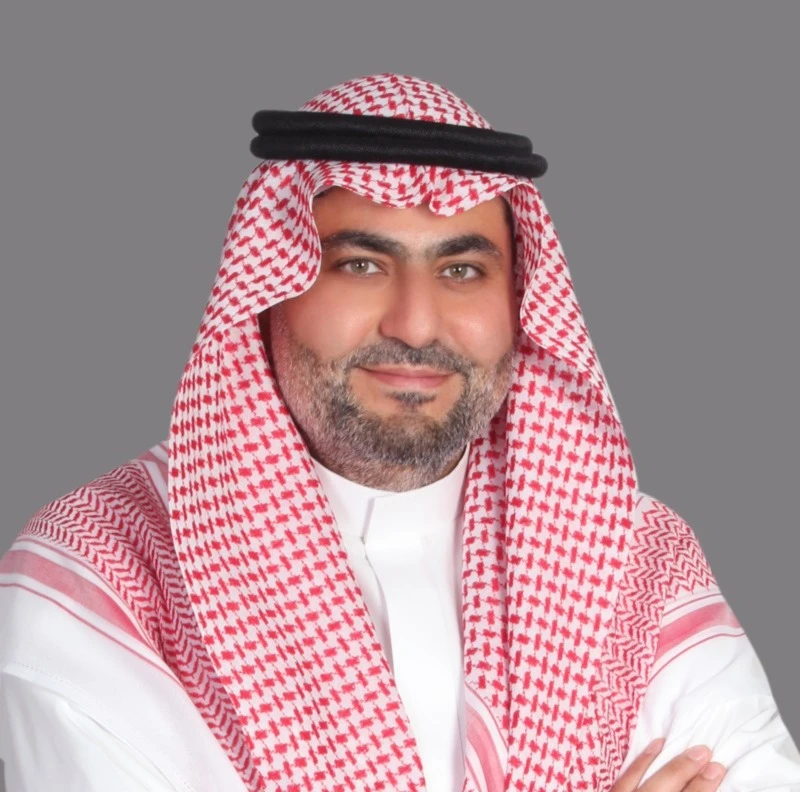
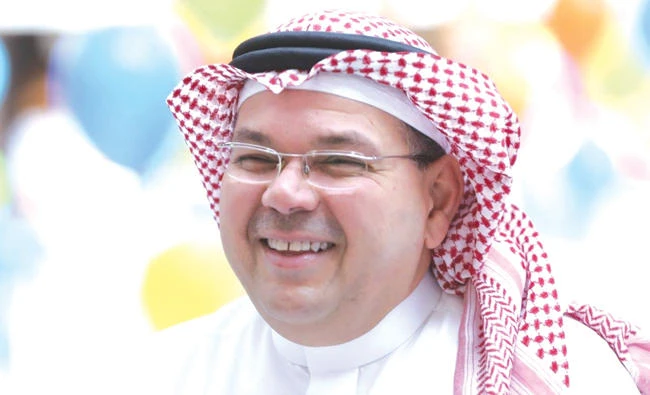
Mohamed Iqbal Alawi, CEO of Red Sea Markets Company Ltd., the company which owns Red Sea Mall, and chairman of Shopping Centers Committee at Jeddah Chamber of Commerce and Industry (JCCI), explained that robust Saudization policies are expected to bring more people to the workplace and boost consumer spending power. The city of Riyadh is projected to grow to over 7 million by 2030 and Jeddah is set to grow from 3 million to almost 5 million. That is bigger than Sydney, Dubai, or even the capital of Germany, Berlin. As retailers, we seek to make long-term investments in the country as we recognize that Saudi Arabia is the place to be.
There is a solid relationship between economic growth, the growth of the retail sector and increasing investments in the tourism sector. Yet, does the increase in tourism investments hold a positive bond for the economic growth? Observations demonstrated that there are short term and long term positive multipliers causing success for the economic growth and retail growth, while expanding investments in the tourism sector.
Tourism and hospitality can be the answer for a reduced economic divergence. When the tourism sector is enhanced, varied industries will be positively affected including retail and others as well, which means increasing economic stability. With a country like Saudi Arabia, it receives per year almost 2 to 3 million travelers coming for religious purposes, which are at the same time considered as tourists, as they use the retails facilities when they finish their rituals. Also, investment in the tourism sector can have promising results for generating jobs and enhancing economic diversification. In short, creating a balance among social and economic sectors is conceivable through investment in the tourism sector.
Last year, KSA increased its retail sales by 6.4 percent reaching up to SR361.14 billion, according to AT Kearney’s Global Retail Development Index, and total retail space increased by 5.6 percent to 2.1 million square meters. Retail experts operating in Saudi Arabia said that the growth in population is powering the sector. The country’s 30 million population is predicted to grow by 1.6 percent annually to reach 40 million by 2050 and almost 70 percent, according to official estimates, are aged 30 or under, which means it is a prime market for retailers.
Mohamed Iqbal Alawi, CEO of Red Sea Markets Company Ltd., the company which owns Red Sea Mall, and chairman of Shopping Centers Committee at Jeddah Chamber of Commerce and Industry (JCCI), explained that robust Saudization policies are expected to bring more people to the workplace and boost consumer spending power. The city of Riyadh is projected to grow to over 7 million by 2030 and Jeddah is set to grow from 3 million to almost 5 million. That is bigger than Sydney, Dubai, or even the capital of Germany, Berlin. As retailers, we seek to make long-term investments in the country as we recognize that Saudi Arabia is the place to be.
There is a solid relationship between economic growth, the growth of the retail sector and increasing investments in the tourism sector. Yet, does the increase in tourism investments hold a positive bond for the economic growth? Observations demonstrated that there are short term and long term positive multipliers causing success for the economic growth and retail growth, while expanding investments in the tourism sector.
Tourism and hospitality can be the answer for a reduced economic divergence. When the tourism sector is enhanced, varied industries will be positively affected including retail and others as well, which means increasing economic stability. With a country like Saudi Arabia, it receives per year almost 2 to 3 million travelers coming for religious purposes, which are at the same time considered as tourists, as they use the retails facilities when they finish their rituals. Also, investment in the tourism sector can have promising results for generating jobs and enhancing economic diversification. In short, creating a balance among social and economic sectors is conceivable through investment in the tourism sector.