- Crude oil prices rose, with Brent crude reaching $94.71 per barrel and US WTI at $84.03 per barrel amid supply concerns.
- Brent crude finished 3.5% higher and WTI climbed 2% on Wednesday due to these geopolitical tensions in the region.
- The disruption in shipping through the Strait of Hormuz, a key oil supply route, threatens to halt recent recoveries in oil flows.
SINGAPORE: Crude oil prices rose in early Asian trade on Thursday, extending gains from the previous session on supply concerns after Yemen’s Houthis said they had hit Saudi Arabia’s largest oil refinery and at least two ships hit Iranian mines in the Strait of Hormuz.
Brent crude futures were 10 cents, or 0.1 percent, higher at $94.71 a barrel by 04:37 a.m. Saudi time. US West Texas Intermediate crude futures rose 35 cents, or 0.4 percent, to $84.03 a barrel. There will be no settlement for WTI on Thursday due to the US Thanksgiving holiday.
On Wednesday, Brent finished 3.5 percent higher while WTI climbed 2 percent after Yemen’s Iran-aligned Houthis said they had attacked Saudi Arabia’s Ras Tanura oil refinery and Riyadh’s financial district.
The refinery, Saudi Arabia’s largest, is part of a complex that also serves as a major export terminal for Saudi crude, and analysts expect the latest Houthi attacks to increase the geopolitical risk premium.
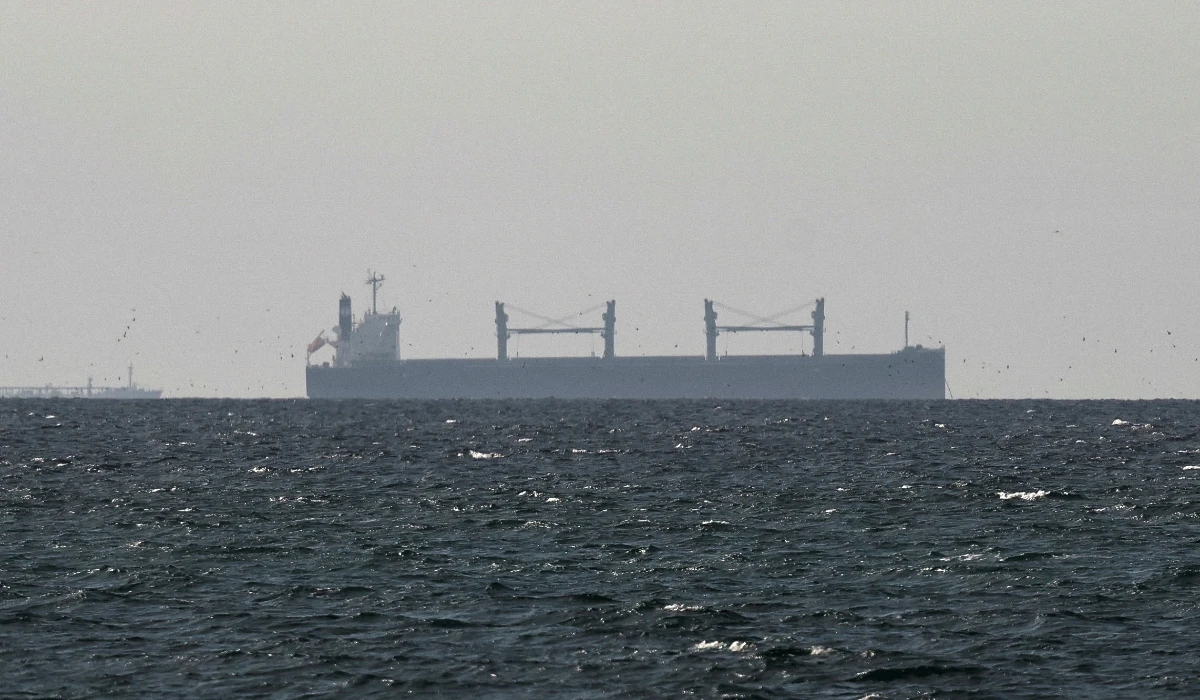
At the same time, shipping has been disrupted through the Strait of Hormuz, where oil supply had been recovering to near pre-war levels.
An oil tanker hit a naval mine and caught fire in a “restricted zone” in the strait on Wednesday, the semi-official Fars news agency cited an Iranian Army statement as saying. That report came after state media said two oil tankers struck mines and exploded in the strait on Wednesday.
“The broadening of the Middle East conflict threatens to halt the recovery in oil flows in recent weeks. Persian Gulf crude exports rose last week but remain on a declining trend,” said ANZ analyst Daniel Hynes.
OPEC+ ministers will hold a series of meetings on Nov. 29 to decide on their 2027 output policy, facing the challenge of balancing output with the UAE no longer in the group, and with Iraq and Kazakhstan pressing OPEC+ to raise its estimate of their oil production capacity.
In the US, crude stocks rose by 1.1 million barrels to 418.9 million barrels in the week ended Nov. 20, the Energy Information Administration said, also supporting prices as analysts had expected a 1.5 million-barrel rise.