- Princess Mashael Al-Shalan emphasized the need for women's voices in shaping the future of Saudi Arabia's energy industry despite their increasing presence in STEM education.
- Women make up over 50% of STEM students in Saudi Arabia, but their representation in the energy workforce does not match these educational achievements.
- The Ministry of Energy has successfully met the national target of 30% female representation in the sector, according to Princess Mashael.
- The Women and Energy Association aims to identify barriers preventing women's entry into the energy industry and create pathways connecting education to professional opportunities.
- The association's initiatives, including the Women’s Leadership in Energy Diplomacy program, focus on developing leadership skills and community engagement among women in the energy sector.
- Looking forward, plans to establish a research and policy department aim to address structural barriers with an evidence-based approach to policymaking.
RIYADH: As Saudi women's participation in science, technology, engineering and mathematics continues to grow, the Kingdom is working to give them a stronger voice in shaping the future of the energy industry, Princess Mashael Al-Shalan told Arab News.
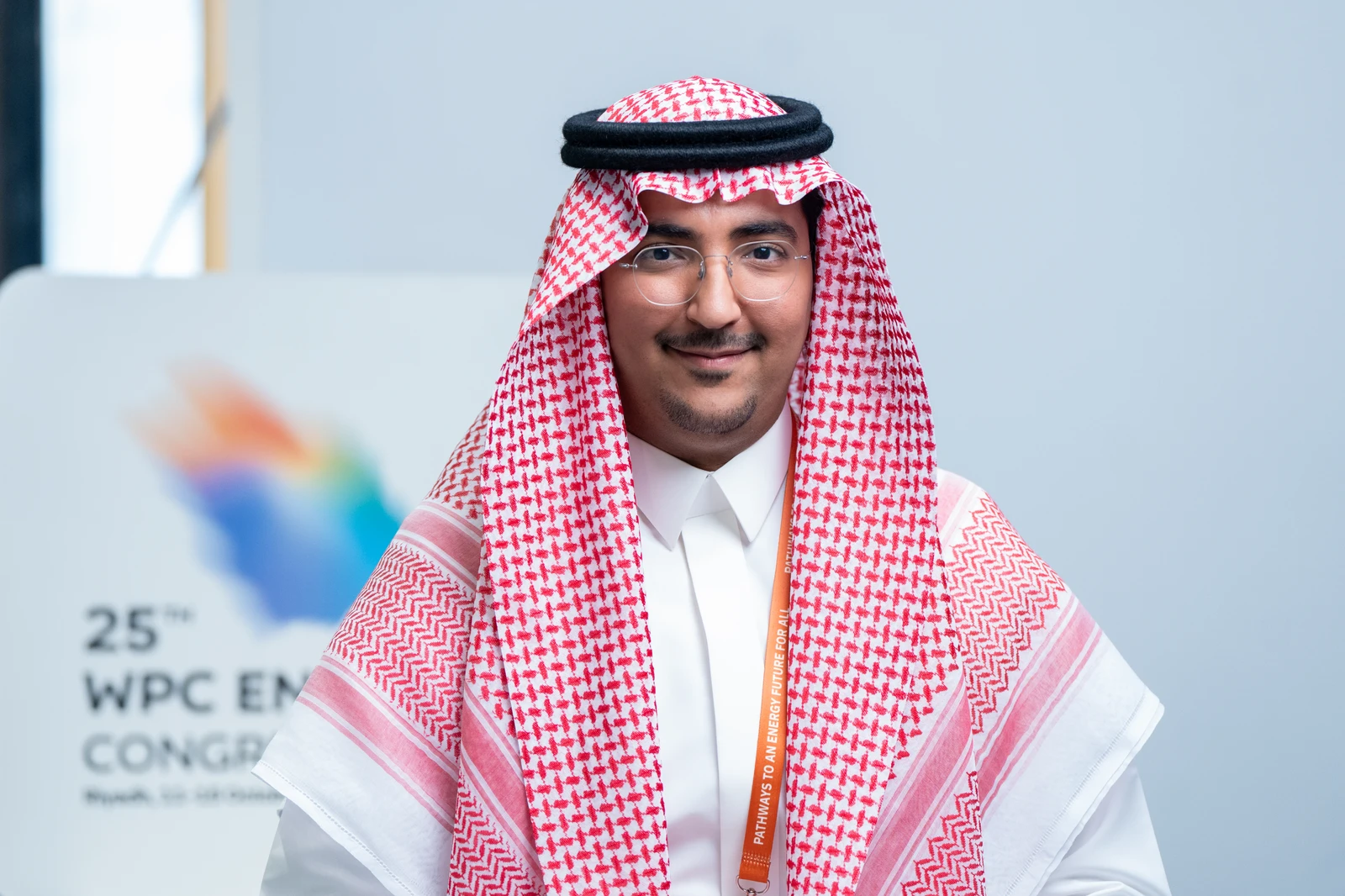
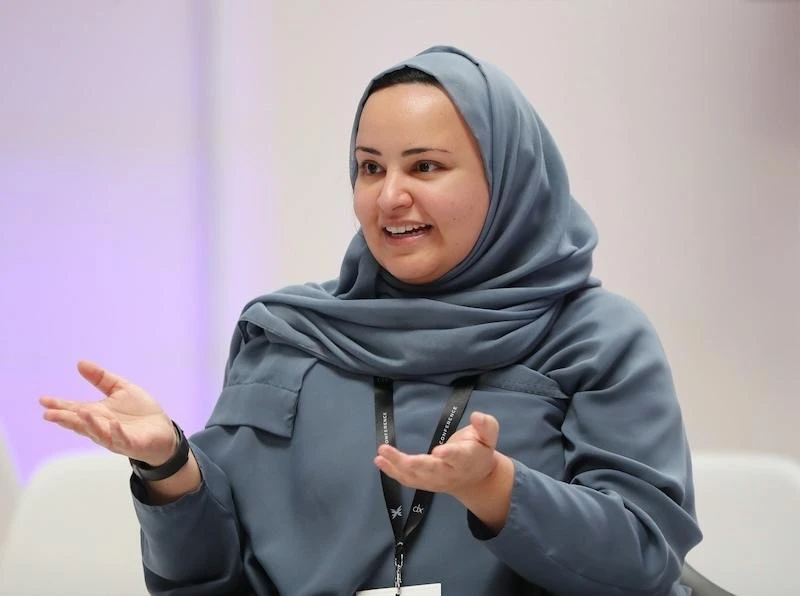
Speaking on the sidelines of the 25th WPC Energy Congress in Riyadh, Princess Mashael, co-founder of AEON Collective and the Women and Energy Association, said that while women account for more than half of STEM students in Saudi Arabia, their representation in the energy workforce has yet to reflect those educational achievements.
She credited the Ministry of Energy’s leadership with expanding women’s participation, saying the ministry and related institutions had already met the national target of 30 per cent female representation.
“I think for the longest time … women were filling every single space and domain, giving feedback across them. But the formality of jobs was a little bit limited, primarily within the energy sector,” she said.
Progress has not been consistent across the wider energy ecosystem, particularly in the private and semi-private sectors.
“By the way, this is true globally. It’s not a Saudi phenomenon,” she said, adding: “I think that was what made it really important for us to establish the association for women in energy to help bridge that gap wherever it may be.”
Princess Mashael said the association seeks to understand the barriers preventing women from entering the industry and to create pathways that connect their educational achievements with professional opportunities.
“What are the barriers to entry? Why don't they imagine themselves in those rooms? And how can you start developing programmes that would get young women engaged?”
She noted that women’s participation in STEM education in Saudi Arabia had exceeded 50 per cent, according to her estimates, but that this had not translated proportionately into energy-sector employment.
The association’s initiatives address different career stages, connecting aspiring researchers with specialists locally and internationally, while offering leadership development for mid-career professionals.
Among them is the Women’s Leadership in Energy Diplomacy programme, which supports women seeking to develop careers in energy diplomacy and leadership, where participation scales beyond represntation figures.
“By inception, we never do anything that’s women-led or women-first just for its sake. It has to be a solid programme that helps upskill men or women within that particular domain.”
She added that some programmes may eventually open to men in response to demand, reflecting an approach centred on professional development rather than empowerment for its own sake.
Looking ahead, Princess Mashael revealed plans to establish a separate research and policy department, aimed at identifying structural barriers through evidence-based research.
“How do we ensure that we’re engaging with policy? How do you do it with an evidence-based approach to policymaking?” she said.
“I don’t want it to be based on experiences of individuals, of sentiments … but rather on what the system really requires.”
The initiative remains in its early stages, with plans to engage relevant institutions and draw on the association’s existing programmes.
“We need to see all of the system, have a 360 vision, not just … fixated on our domains.”
Beyond representation figures, Princess Mashael highlighted the sustained engagement of women who had completed the association’s programmes as another measure of progress.
“This was a space where I did not imagine the amount of excitement and sustained engagement with women,” she said.
“It’s creating this community of like-minded sisters,” she added.
She said the association seeks to build a culture of mutual support where it serves a more organic form of women's empowerment,
“I think very important to it is the kind of values that we’re trying to carry forward… it has to be a kind of empowerment that is true to who we are as a people, and not just a token, nice aspect.”