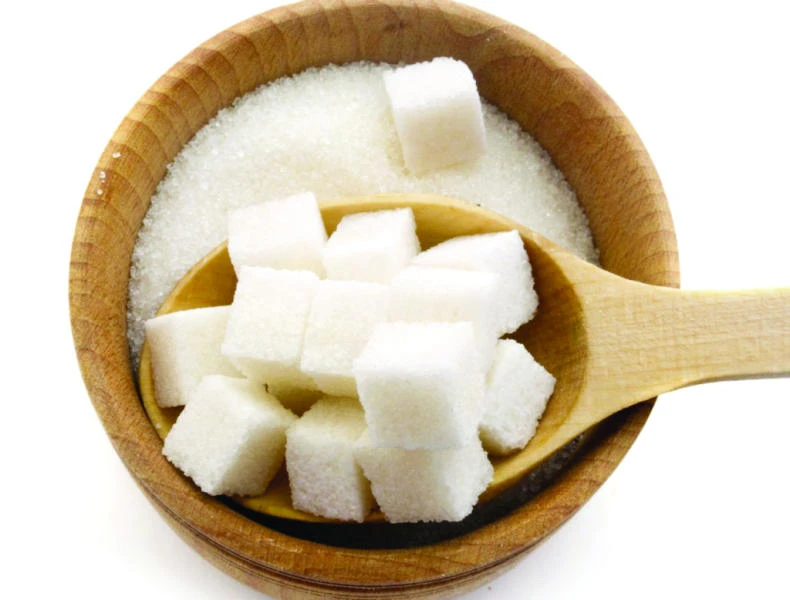
A new study by the University of Pennsylvania (School of Medicine) shows that excess intake of simple carbohydrates (carbs), like sweets and chocolate, increases fat storage and weight gain. This is due to glucose and insulin imbalance. This in turn leads to a feeling of constant hunger and an intense desire to eat more sugars.
We sit with Therapeutic Nutrition Specialist, Dr. Sharif Al-Aslami, who recommends a diet that helps reduce the desire to consume foods containing a high proportion of fat or refined sugar.
Sugars, along with starches and fiber, belong to a nutrient group called carbohydrates — the main source of energy that the body needs to perform vital functions and physical activities. Sugars can be divided into two groups:
Simple carbohydrates ( AKA simple sugars):
They are found on the top of the food pyramid. It is recommended to reduce the consumption of simple carbs as much as possible because they contain high calorie count and should be taken into account when calculating the daily calories your body needs. They are quickly absorbed in the body. Consuming simple carbohydrates causes the blood sugar to rise. They include white sugar, black honey, ice cream, cakes and sweets.
Researches have classified this type of carbohydrates among the direct causes of weight gain. When we eat, the body absorbs the glucose resulting from digestion, breaks it down and pumps it into the bloodstream. Once absorbed into the bloodstream, the human body distributes glucose to the areas where it is needed for energy. Insulin is then produced to lower blood sugar to normal levels. Insulin converts the excess glucose into glycogen, which is stored in the liver and muscles. It should be noted that the stored glycogen enhances athletic performance and increases their endurance and stamina. However, eating sugary foods that cause blood sugar or glucose levels to rise above the normal limits stimulates the body to secrete large amounts of insulin to offset the excess consumption of refined carbohydrates and break down the sugar. That will automatically convert the excess glucose into fatty acids, which are stored in fat cells, resulting in an increase in accumulated weight gain.
Complex carbohydrates:
They are found at the bottom of the food pyramid. Accordingly, researches say we need to get about 50 to 60 percent of our daily calories from complex carbs. They contain high levels of natural dietary fibers, so they don’t cause blood sugar levels to spike. They have more complex structure than simple carbohydrates, which allows them to be broken down and be absorbed more slowly. This leaves you feeling fuller for longer and maintains blood glucose and insulin at normal levels.
They are found in abundance in grains (wheat, corn and oats), whole grain bread, rice, pasta, white grains, fruit and vegetables of all types.
Nutrient deficiencies
You should consume more foods containing vitamins and minerals. Researches at the UNC Nutrition Research Institute found that nutrient deficiencies in the body may contribute, indirectly, to weight gain and increase the urge to eat sugar. The most important nutrients are:
Chromium:
It is considered a trace mineral which works closely with insulin to help the body use glucose to produce energy. Chromium deficiency can lead to diabetes and obesity. Foods rich in chromium include meat, eggs, whole grain products and cheeses of all kinds.
Magnesium:
It is one of the essential minerals the body needs to produce energy and maintain nerve and muscle cells. Magnesium deficiency leads to sugar and chocolate cravings. Legumes, nuts, leafy vegetables and dates are great sources of magnesium.
Calcium:
Calcium is one of the most important minerals that the body needs to improve its metabolism. Calcium insufficiency may cause the enzymes that help metabolism to cease to function and weaken fat burning capability of your metabolism, which results in the accumulation of body fat. The best natural sources of calcium are broccoli, cauliflower, rapeseed, sunflower seeds, cabbage and sesame seeds. It is worth mentioning that researches have warned against high portion food, as this may lead to calcium loss and bone thinning.
Potassium:
Potassium helps regulate the flow of fluids and minerals in and out of the body’s cells. Low potassium levels indicate an increase of sodium above normal limits, which can contribute to water retention in cells and thus false weight gain. Potassium is found in apricots, bananas, carrots, salmon, sardines, peas, spinach and whole grains.
Balancing sugar and avoiding weight gain