Korean cuisine has long been considered as healthier than many other cuisines because it is largely based on rice, vegetables, fish and meats.
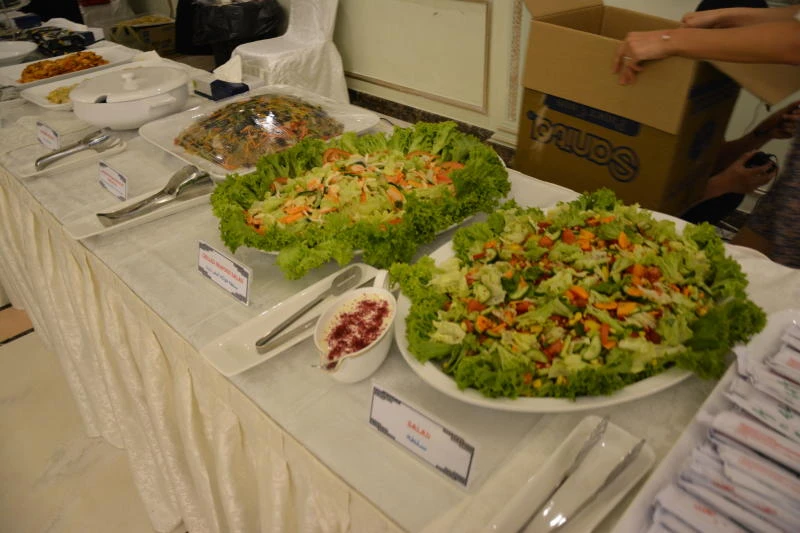
The Korean Consulate and Na In Hee, wife of the Korean Consul General in Jeddah, recently organized the Korean Food Promotion Event 2015 at the consul general’s residence with the aim of introducing local women to Korean cuisine.
Consul General Nak Young Oh, who welcomed the guests with his wife said the gathering was part of a series of cultural activities aimed at promoting mutual understanding, interchange of personnel and cooperation between Korea and Saudi Arabia.
“I welcome all of you ladies to this event. In February this year, the Korean Consulate screened a Korean film titled ‘Mr. Go,’ a story about world’s first baseball-playing gorilla as part of the annual Asian Film Festival. Subsequently, the consulate hosted an iftar gathering in Ramadan. At that time, I promised you that I will provide you with another chance to taste Korean dishes,” he said.
Obesity and diabetes are common in GCC countries, and Saudi Arabia is not free from these diseases. Also, health and beauty are the key words most sought by every man and woman, adult and child. Many suggestions to improve one’s health and beauty are made, but specialists center the best way, among others, on good food, said the consul general.
According to traditional Korean wisdom, food and medicine grow from the same root, share the same origin and, therefore, there is no better medicine than food. These long-standing beliefs tell us how important food is to the physical as well as mental wellbeing of humans.
Ingredients commonly used in Korean cuisine include sesame oil, fermented bean and red pepper pastes, soy source, garlic, ginger and seasonal vegetables. Traditional Korean meals are noted for the number of side dishes that accompany steamed rice. Among others, Kimchi, fermented spicy vegetable, is served at almost every meal.
Na In Hee, the consul general’s wife, introduced the ladies to traditional Korean teas, such as, red ginseng, green tea, omija, jujube, citron, ginger and Sujeongwa, in addition to deep-fried snacks and homemade chips, fruit punches of cinnamon, O-Mi-Ja and citron served with pine nuts, persimmon, apricot, Korean apples, pears and dates.
In Hee explained the making of citron tea (yuja cha), which is famous in Korea in the winter season. The process takes some time in which the Yuja fruit is sliced thinly keeping its peel intact but removing the seeds, the honey is dissolved in warm water making a think syrup and the yuja is added to the mixture.
This yuja chung (yuja marmalade) is then kept in a sealed container at room temperature for one or two days, after which it is stored in the refrigerator. To make tea, dissolve one spoonful of yuja chung into one cup of water.
Yuja cha is good for colds, coughs, headaches and chills because it contains a lot of vitamin C, which is effective in preventing colds and for fatigue recovery. It also helps soothe throat inflammation.
While citron tea is for winter, Omija tea, made from berries called Omija, is for summer heat. It helps in the functioning of lungs, and is good for curing coughs and appeasing thirst. It is also said that the tea is effective in restoring an exhausted body and mind.
In Hee said Korean food is internationally known as healthy food and helps in fighting obesity. The guests were seen enjoying famous Korean dishes such as Bulgogi, Bibimbap and assorted pan-fried vegetables. Also on offer was seasonal salad and radish rolls, cold sliced seafood and vegetables served with mustard sauce and various seasonings, Jap Chae starch noodles stir-fried with minced beef and vegetables, steamed white rice served with brown seaweed soup, and a ‘Special Corner’ serving three instant dishes — assorted pan-fried vegetables — zucchini, mushroom, cabbage and cauliflower — Bi-bim-bap rice mixed with minced beef and vegetables served with red chili paste or seasoned soy sauces and Bul-go-gi, marinated and seasoned beef barbecue.
Bap means not only steamed rice but also meals in general, reflecting the importance of steamed rice in Korean meals. Guk is a soup of vegetables, seafood or meat boiled in plenty of water.
Kim (seasoned laver, also called seaweed) is popular as a side dish as well as a healthy snack.
Chefs at a live cooking counter demonstrated the preparation of Jeon, a Korean style pancake made by pan-frying vegetables and mushrooms like grated potatoes.
Bul-Go-Gi, a famous Korean dish, comprises barbecued thinly sliced beef. It is pre-marinated in a sauce of soy, pear juice and sugar and then cooked on a hot barbecue pan. A mixture of leeks, garlic and powdered sesame mixed with salt, ginger juice, pepper, sesame oil and soy sauce is used to marinate the meat for about 30 minutes. It offers a fantastic taste with its harmony of sweet and savory flavors.
Jap-Chae or Chap-Chae comprises sweet potato starch noodles. The boiled noodles are stir-fried in sesame oil with vegetables, soy source, and sweetened with sugar. It is usually garnished with sesame seeds and slivers of chili. It may be served hot or cold. This dish is served on special occasions with an addition of seasonal vegetables.
Guests especially liked the famous red and white cabbage kimchi, and also enjoyed the process of its making.
For desserts, cheese and orange cakes, in addition to seasonal fruits such as watermelon, melon and orange were devoured by one and all.
Koreans have long believed that the taste and quality of food depends largely on the spices and condiments used. Soybean paste, soy sauce, Korean chili are some of the healthiest and finest food materials used in the Korean cuisine’s secret sauces and seasonings.
Korean cuisine helps in boosting the immune system. The outbreak of Middle East Respiratory Syndrome (MERS) in many parts of the world has increased global interest in immunity-enriching foods that can help fight off MERS and other diseases. In Korea, garlic, bell pepper, mushroom, ginseng, and kimchi are regarded as foods that help improve immunity, In Hee said.
—
Email: [email protected]
Consulate brings a taste of Korea to Jeddah