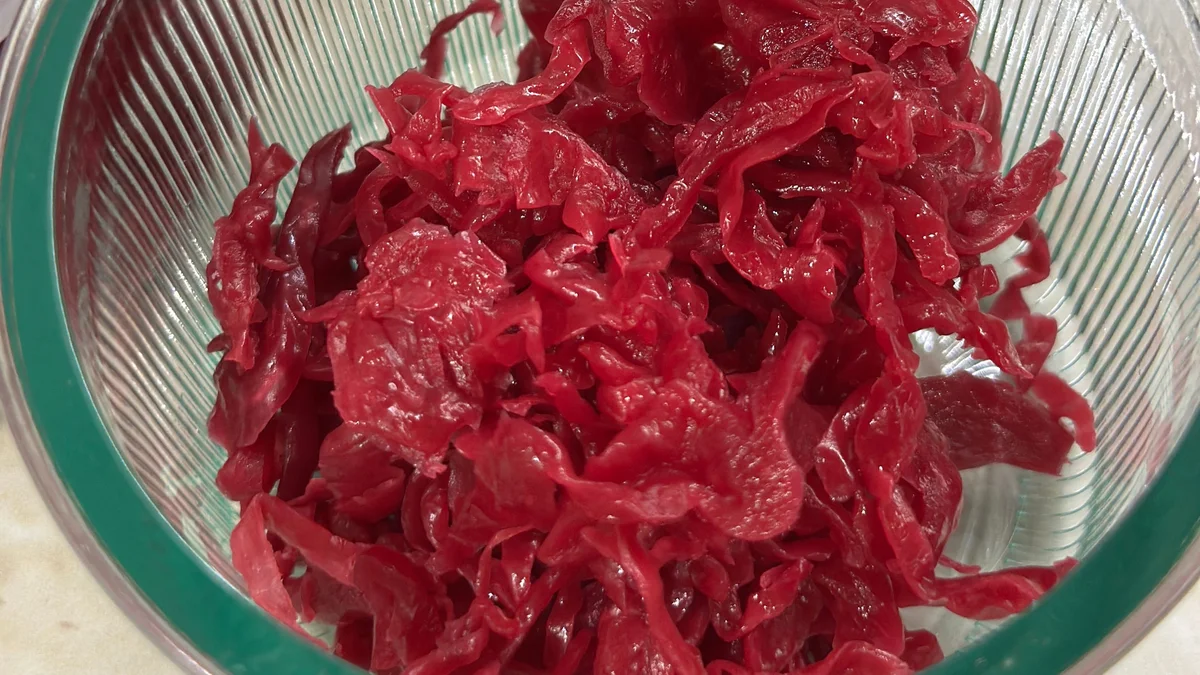
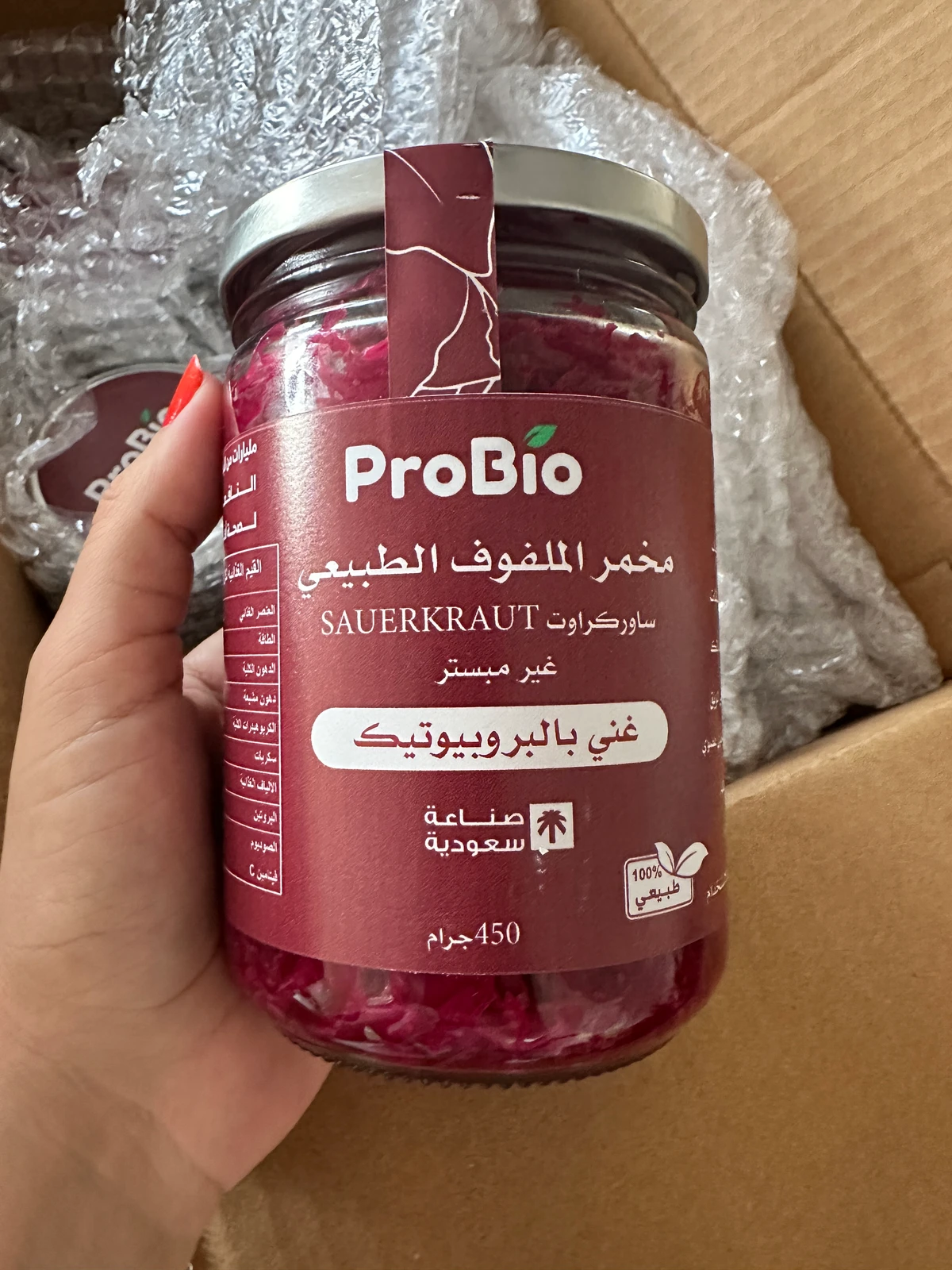
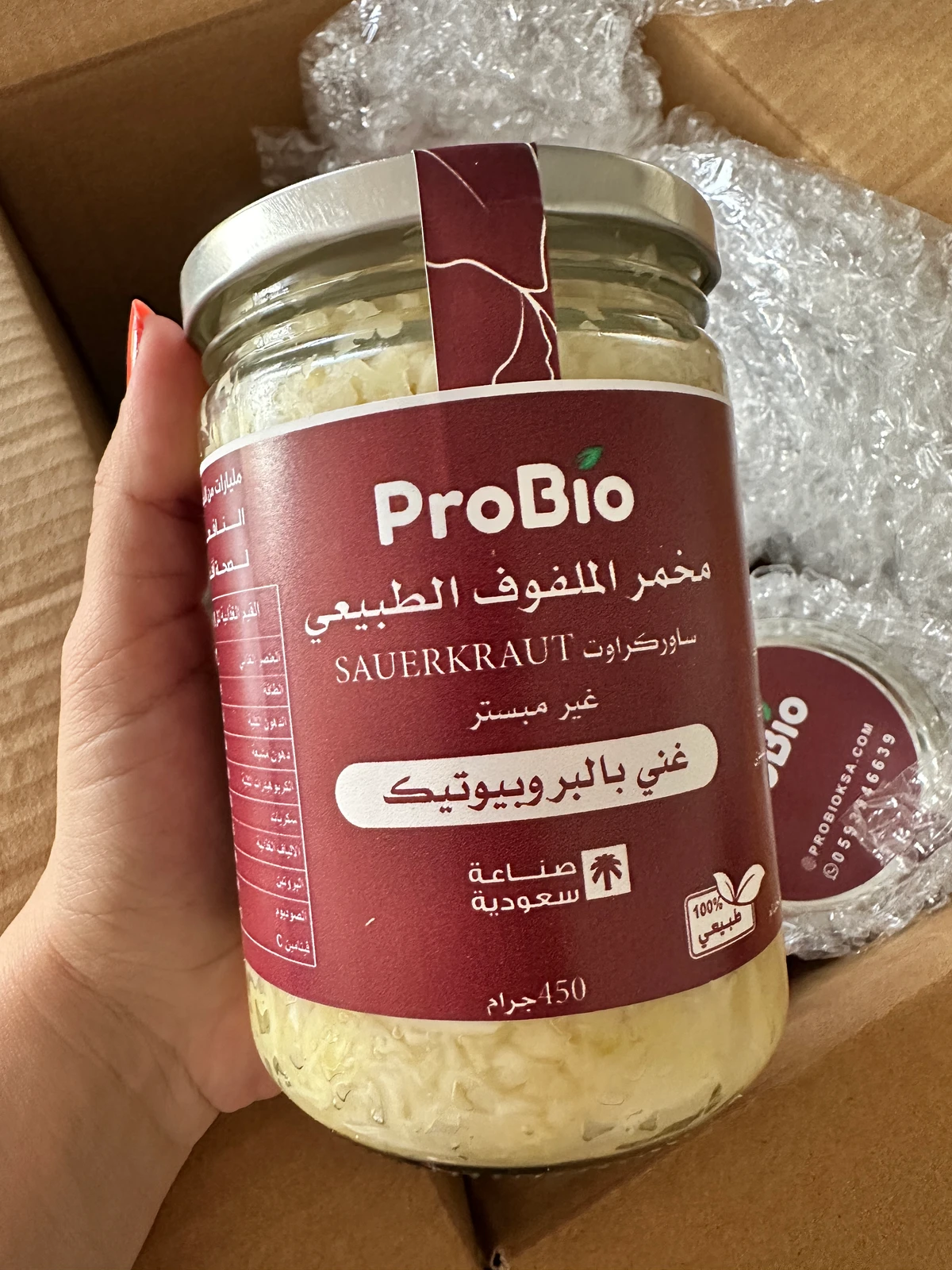
- The cabbage is fermented for between five and 14 days, sometimes longer, and sold unpasteurized.
JEDDAH: I did not expect fermented cabbage to become something I eat first thing in the morning, but here we are. I am now on my second jar of ProBio and it has become a regular part of my meals.
The Saudi brand makes naturally fermented vegetables and dairy products, including cabbage, cucumber, carrot and milk kefir. I have tried both its white and red cabbage, as well as the kefir — and the cabbage is what I keep reaching for.
Both varieties have a pleasant tang and a good crunch. The salt is balanced and the sourness is not overpowering. While I would rarely eat raw cabbage on its own, I happily eat this straight from the jar.
I usually have a small amount early in the morning, then some alongside lunch. It goes particularly well with rice and kabsa, adding a fresh, sour bite that balances the richness of the meal. I use it in much the same way as I would pickles.
What I like most is that it fits easily into the way I already eat. There is nothing to prepare, and a spoonful on the side of the plate is enough.
ProBio suggests much the same, recommending the cabbage is eaten with meals, in sandwiches or alongside salads. It also advises starting gradually, with a single spoonful a day until the body adjusts.
ProBio red cabbage is made with just fresh cabbage and unrefined natural salt, without vinegar, added water or preservatives. It is fermented for between five and 14 days, sometimes longer, and sold unpasteurized. It needs to stay refrigerated.
There is a difference between fermented cabbage and cabbage pickled in vinegar. During fermentation, bacteria turn the cabbage’s natural sugars into acids, giving it that sour taste. With vinegar pickles, the acidity comes from the vinegar itself.
Beyond the flavor the cabbage provides fiber, while unpasteurized ferments can contain live cultures. However, that does not automatically make every fermented food a proven probiotic.
The International Scientific Association for Probiotics and Prebiotics says a product only qualifies as a probiotic if it contains an identified strain, in a known dose, with a health benefit demonstrated in human trials. Foods that meet none of those conditions are more accurately described as containing live and active cultures.
To me, the nutritional value is another reason to enjoy it. I like knowing that a side dish I reach for because it tastes good also adds something useful to my diet.
The company’s Instagram account lists more than 20 benefits for its fermented cabbage, among them supporting gut and colon health, strengthening immunity, reducing bloating and gas, regulating blood sugar, aiding weight loss, supporting liver, heart, bone, skin and mental health, and acting as a natural detox.
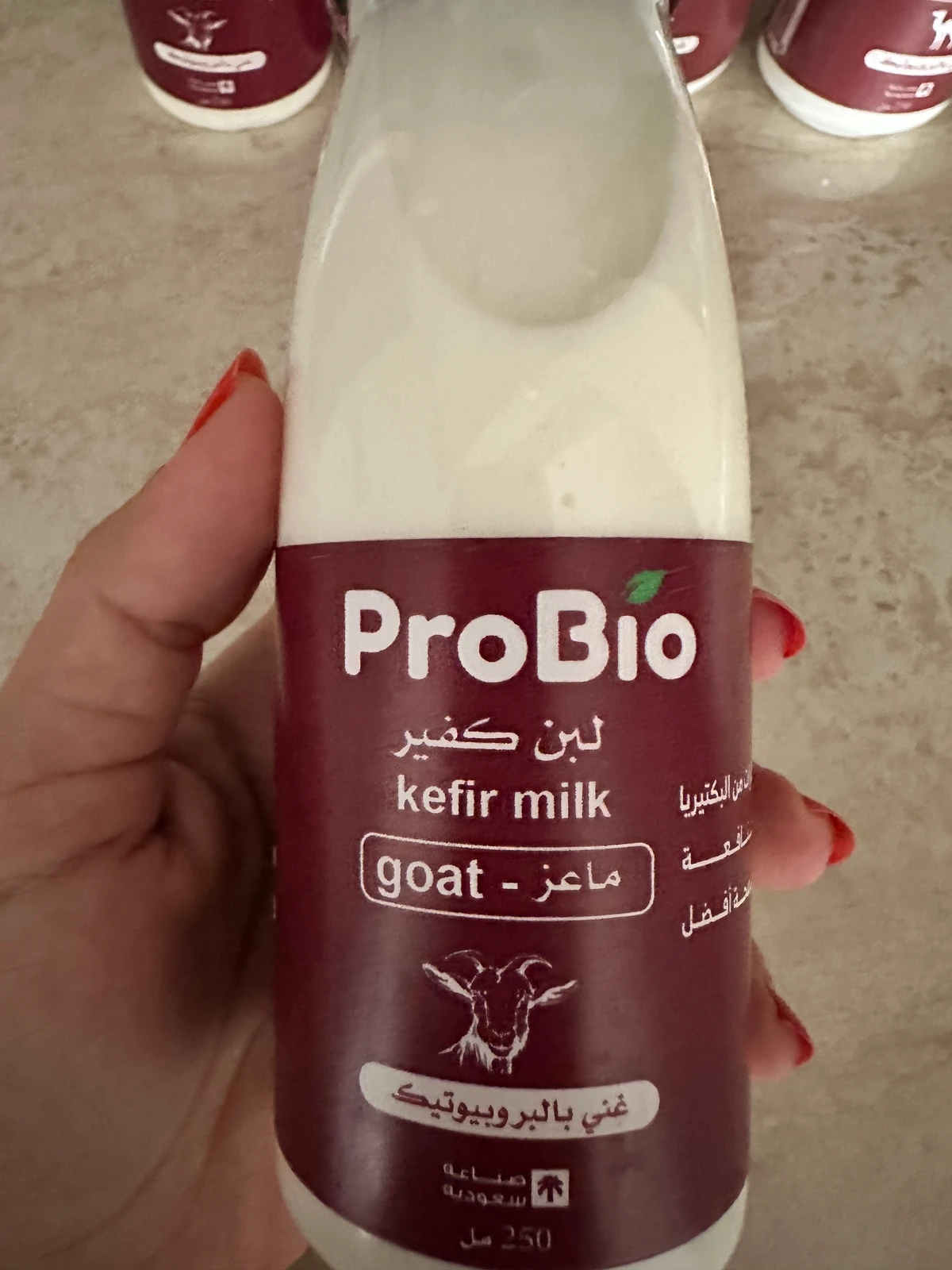
I also tried the brand’s milk kefir, which is made by fermenting goat’s milk with bacteria and yeasts. It offers another way to include fermented foods in everyday meals, although its health benefits depend on the particular product.
The red cabbage is priced at SR49 ($13) for a 450g jar on ProBio’s online store, which is somewhat pricey.
For more information, visit the Instagram account @probioksa.