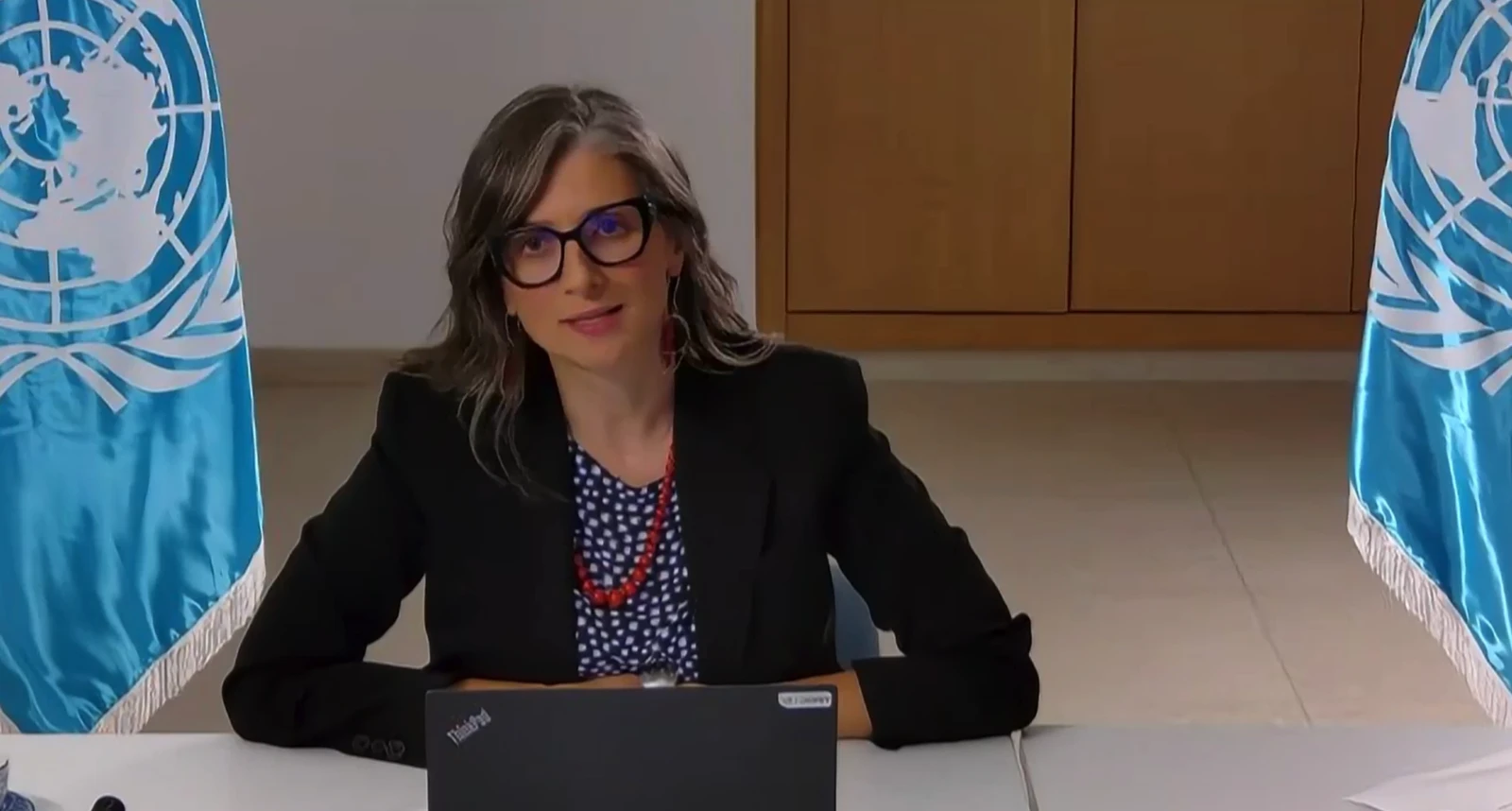
- Francesca Albanese uses the term as she describes the systematic campaign she says Israel is waging against Palestinian journalism
- The UN’s special rapporteur on the occupied Palestinian territories said nearly 300 journalists have been killed in Gaza, along with more than 700 of their relatives
LONDON: Israel was waging a systematic campaign against journalism in an attempt to conceal its atrocities in Gaza, UN expert Francesca Albanese said on Tuesday.
The killing of Palestinian reporters and destruction of media infrastructure have left an irreparable gap in the historical record, she warned.
Albanese, the UN’s special rapporteur on the occupied Palestinian territories, described the Israeli campaign as “mediacide” during a virtual press briefing about a report she compiled on the attacks against journalism during the conflict.
She also accused international news organizations and social media companies of helping to obscure Israel’s actions by amplifying unverified claims, suppressing Palestinian accounts and failing to challenge dehumanizing rhetoric.
“This report examines what is at stake when the truth becomes a casualty, when your very profession becomes a casualty,” she said.
“What is happening is not incidental; it is intentional,” Albanese added, defining “mediacide” as “the systematic destruction of the media’s public function” and its transformation into an instrument through which atrocities can be concealed, normalized or justified.
“In a genocide, a systematic attack on the media is part and parcel of the crime,” she warned.
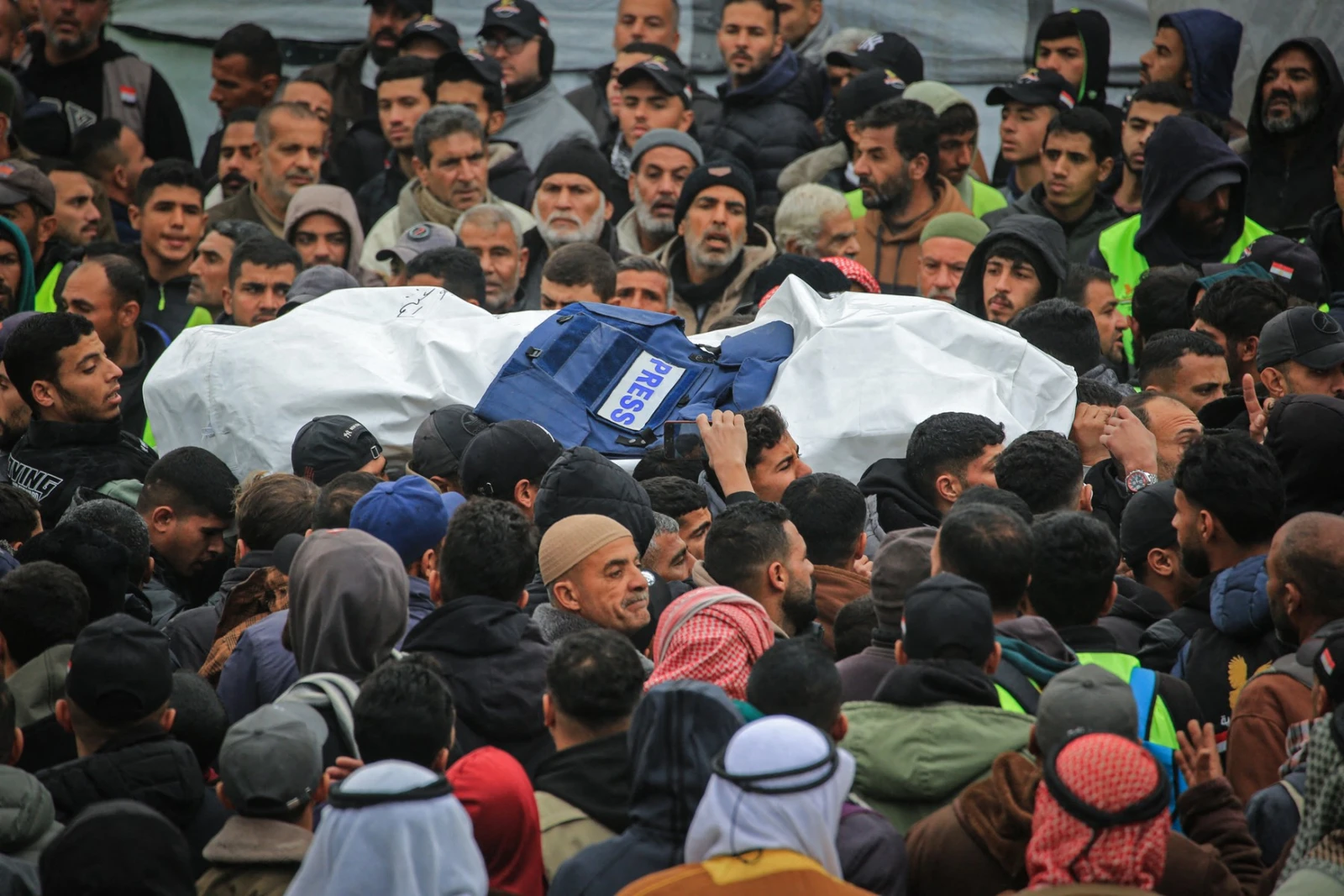
Citing UN sources, Albanese said Israel had killed nearly 300 journalists in Gaza and more than 700 of their family members. Seventy journalists were killed in retaliation for their work, she added, some of them in their homes, others in makeshift press tents or hospitals. “They literally hunted them,” she said.
More than 100 journalists had been detained and many of them were tortured simply for doing their jobs, she continued.
The attacks extended beyond assaults on individual reporters, Albanese said; Israel had destroyed 150 media centers and offices — about 80 percent of Gaza’s media infrastructure — and damaged telecommunications networks, cutting internet access.
“Every one of these items is essential to your profession,” she told reporters.
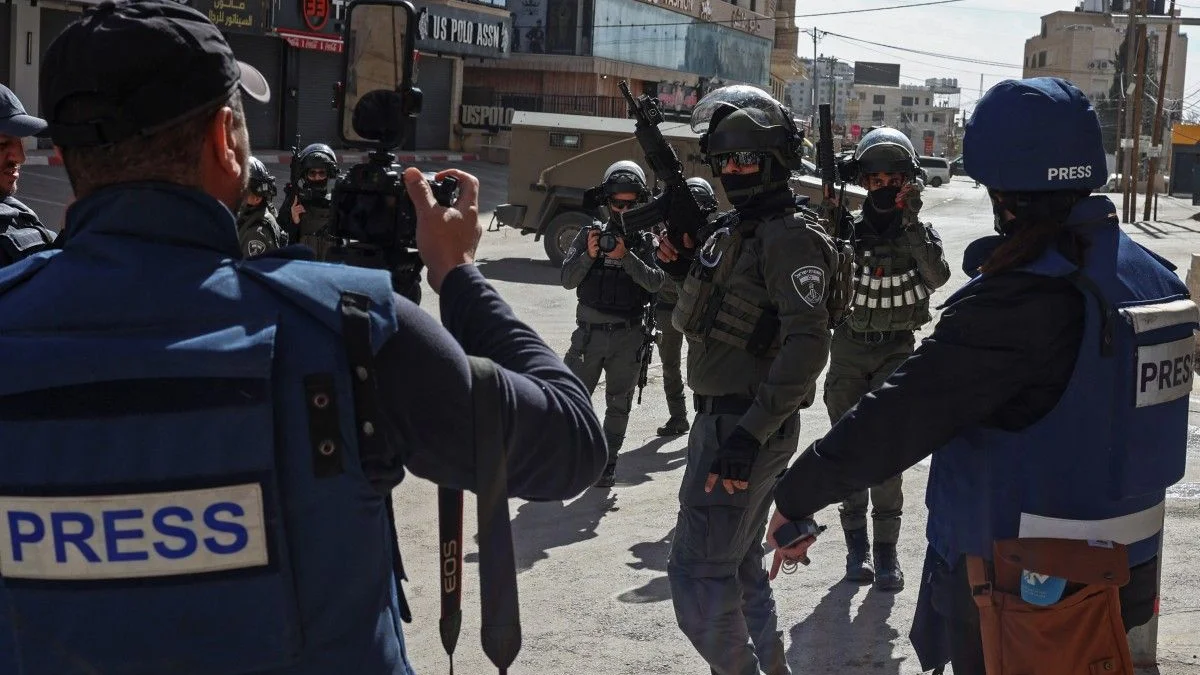
In the West Bank, she said, journalists continued to face attacks by Israeli soldiers and settlers acting with impunity.
“Recently, more than 139 attacks on journalists have been recorded,” she added.
The suppression of Palestinian reporting also involved censorship and efforts to discredit journalists, Albanese continued.
Israel had turned the media into “its most refined weapon and machinery to smother Palestinian stories and Palestinian lives,” she said. “Once again, when it couldn’t do it with bombs, it did it through words, or better, through their concealment.”
Authorities banned more than 1,600 news stories and redacted more than 1,100 in 2024 alone, according to Albanese.
She accused Israeli authorities of seeking to destroy journalists’ reputations before targeting them, and said some Israeli broadcasters had carried dehumanizing language about Palestinians into public discourse.
“They’ve even set up a ‘legitimization cell’ to ruin the reputation of the journalists … before they were actually eliminated,” Albanese said. “When I say Israel, (it) is not just the army or the government alone, because Israeli journalists, many Israeli journalists, have carried genocidal claims into the public arena.
“For example, broadcasters (such) as Channel 12 or 14 have dehumanized Palestinians beyond imagination, calling Palestinians all sorts of repulsive names: a cancerous growth, Amalek, cannibals, a virus to be eradicated.
“This rhetoric goes beyond ordinary political discourse. Some statements constitute direct and public incitement to genocide, and so far, to my knowledge, no one has been indicted or even investigated.”
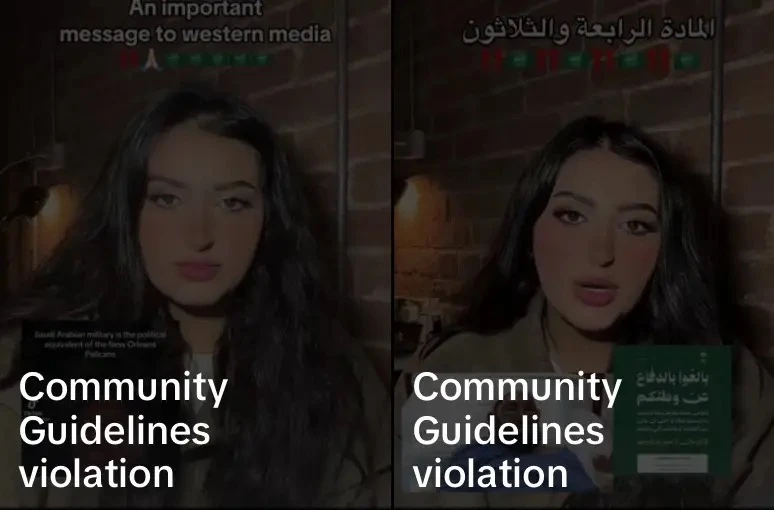
Albanese extended her criticism to social media companies, accusing them of accepting Israeli government money to promote campaigns denying the existence of famine conditions while Palestinians were starving, and of suppressing dissenting accounts of events.
She said about 38.8 million Facebook and Instagram posts were reportedly suppressed. She cited acceptance rates for Israeli government takedown requests of 99.2 percent at TikTok and 94 percent at Meta, which owns Facebook and Instagram.
“The ‘eighth front of the war,’ as Netanyahu himself called it,” she said of such activities. “Where are the other seven? The countries and people that Israel has bombed.”
International newsrooms compounded those restrictions, she added, by amplifying unverified Israeli claims, obscuring responsibility for attacks, and conflating solidarity with Palestinians with antisemitism.
Albanese closed her remarks by recalling Anas Al-Sharif, a Palestinian journalist killed on Aug. 10, 2025, alongside five colleagues in an Israeli strike on a press tent near Gaza’s Shifa Hospital.
She described him as a dedicated reporter who continued to work despite threats, accusations that he was a terrorist, and the killing of his father in a strike on the family home. His death was “one story among hundreds,” she said.
Quoting his final message, Albanese read: “I have lived through pain in all its details, tasted suffering and loss many times, yet I never once hesitated to convey the truth as it is, without distortion or falsification.”
Special rapporteurs are part of what is known as the special procedures of the UN Human Rights Council. They are independent experts who work on a voluntary basis, are not members of UN staff and are not paid for their work.