- Farid Al-Madhan, a former Syrian army photographer who defected in 2013, revealed his identity as Caesar early last year
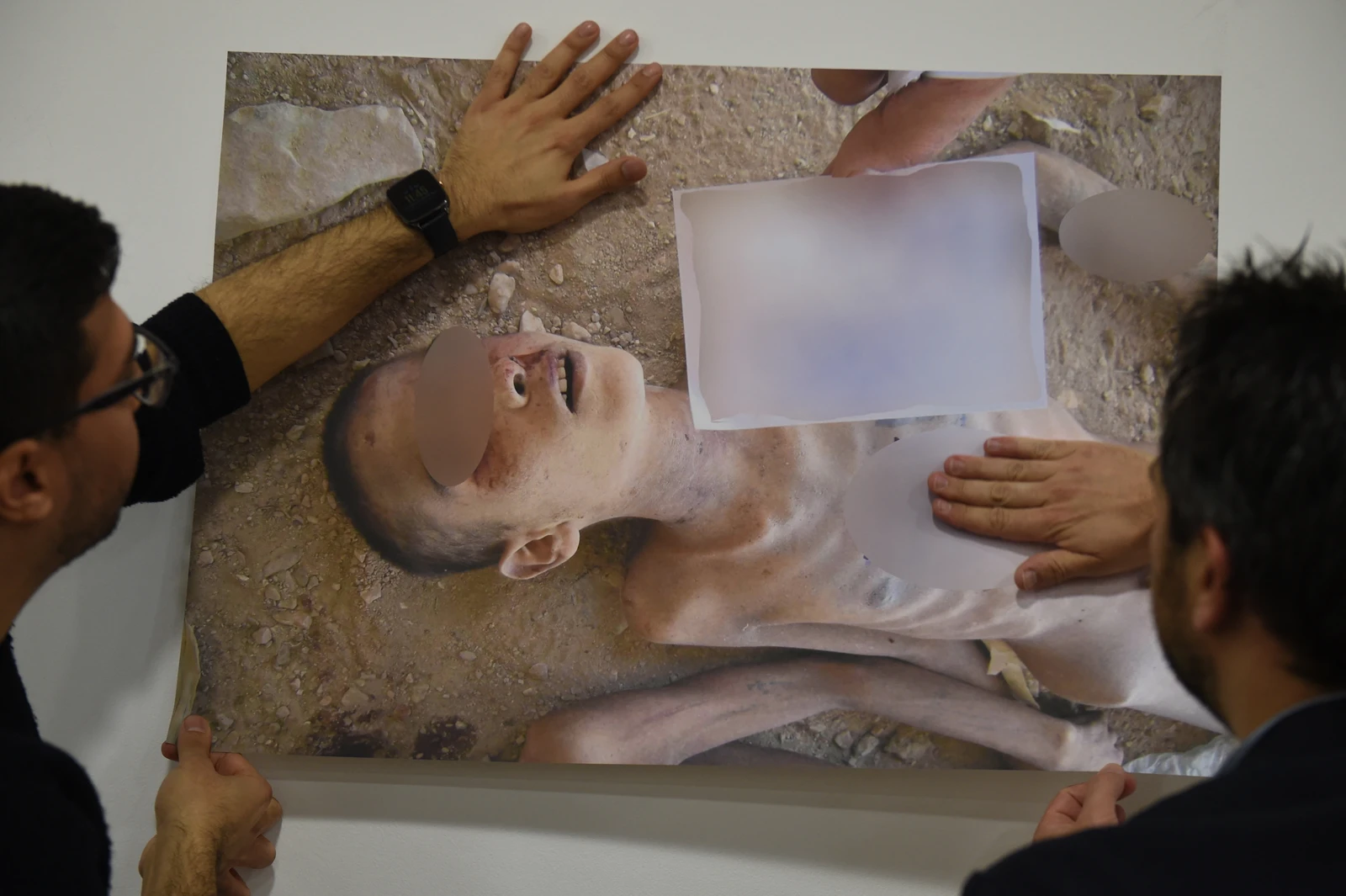
- The whistleblower reportedly smuggled out images during the Assad era showing the tortured bodies of detainees, whose families say they want guarantees the images will not be used in the film
DAMASCUS: A Syrian organization has criticized plans for a film about a whistleblower known as “Caesar,” who smuggled out pictures during the country’s civil war depicting the tortured bodies of detainees under longtime ruler Bashar Assad.
Plans for the feature film were announced over the weekend as part of the Doha Film Festival.
Farid Al-Madhan, a former Syrian army photographer who defected in 2013, revealed his identity as Caesar early last year, after Assad was ousted in December 2024 following more than 13 years of civil war.
In 2014, he revealed 55,000 photos which gave a glimpse of the abuses being committed in Syrian jails after the war erupted three years earlier with the brutal repression of anti-government protests.
The photos of 11,000 dead detainees, smuggled in a flash drive and later authenticated by experts, show corpses tortured and starved to death.
They became a key part of international efforts to seek accountability for civil war atrocities.
A statement from the Caesar Families Association demanded a freeze on the film project “pending consultations with representatives of the families” and urging guarantees that images in the Caesar files would not be included.
“Nobody has the right to use their stories and identities on behalf of the victims’ families,” it said, adding that “turning this ongoing tragedy into a work expected to gain commercial profits before justice has been served... raises profound moral objections” and harms victims’ relatives.
A statement released during the festival said the film would trace Madhan’s journey “from a man secretly documenting atrocities... to an international witness whose evidence would have far-reaching consequences for global policy and accountability.”
Madhan had testified to a US Congress committee and his photographs inspired a 2020 US law which imposed economic sanctions on Syria and judicial proceedings in Europe against Assad’s entourage.
At the Doha event, Madhan said the decision “to tell this story through cinema” was to “give a voice to the human beings who suffered.”
While the Caesar Families Association acknowledged Madhan’s “historic role,” it said the leaked photos “cannot be considered part of his personal biography.”
The group earlier this year criticized a television series titled “Caesar, no time, no place,” saying that “justice is sought in court, not in film studios.”
More than half a million people were killed in Syria’s war, while tens of thousands disappeared, many into the country’s brutal prison system.
Scores of prisoners walked free when Assad was overthrown, while other families converged on detention facilities, desperately searching for missing loved ones who never emerged.
Syria’s new Islamist authorities have vowed to provide justice and accountability for crimes committed under Assad’s rule.