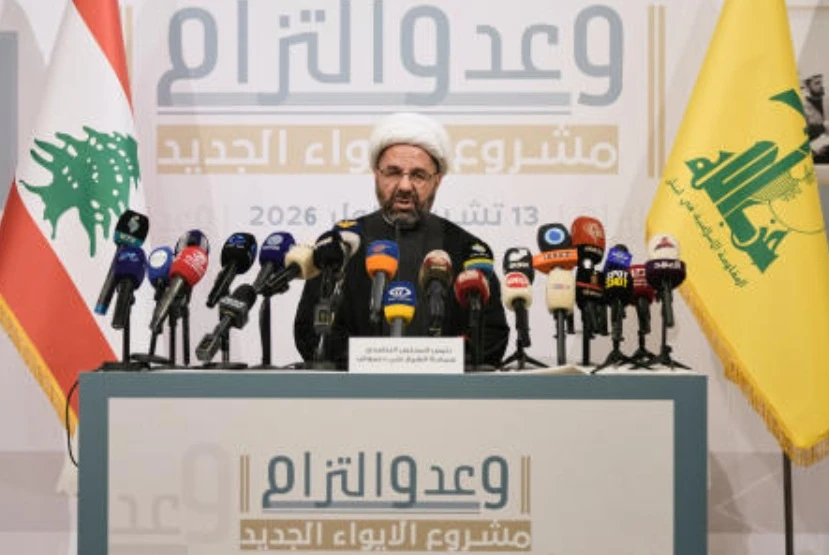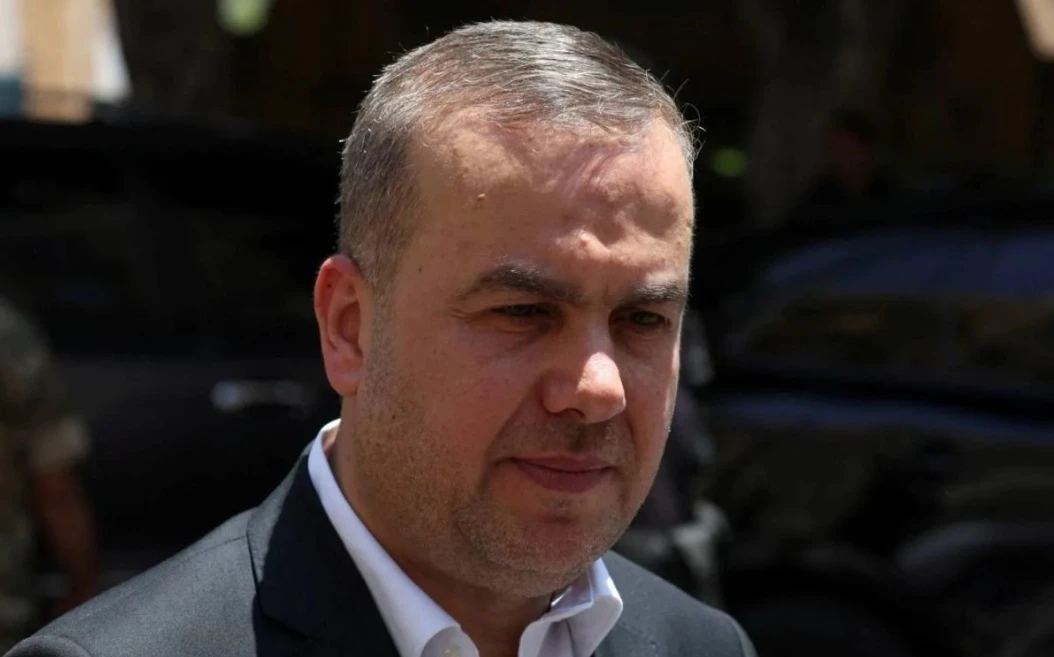
- Fadlallah demanded the return of the explosives and the release of individuals arrested in connection with their seizure
- Salam stated the government will not tolerate the possession of illegal weapons
BEIRUT: A Hezbollah MP acknowledged on Thursday that a 500-kilogram shipment of explosives seized last week by Lebanese authorities belonged to the group, a rare admission by the Iran-backed militants.
“The vehicle and its cargo belong to the resistance” against Israel, lawmaker Hassan Fadlallah said.
He said Hezbollah also called for the immediate release of those arrested over the seizure.
Fadlallah demanded the return of the shipment, seized on a road linking eastern Lebanon to Beirut, saying it constituted “capabilities” used by Hezbollah against Israel.
Lebanese Prime Minister Nawaf Salam has said the state will no longer tolerate any possession of “illegal weapons.”
A judicial source told AFP the explosives were seized from a vehicle that was carrying 250 kilograms of TNT and 250 kilograms of the explosive C-4.
Salam has said authorities will “identify all individuals involved in this criminal operation and those who ordered it.”
He said Lebanese people would be concerned by the seizure, especially since C-4 has previously been used in political assassinations in Lebanon.
At the beginning of this decade Hezbollah was accused of carrying out several political killings.
The group, which once dominated political life in Lebanon, has been weakened by two wars it waged against Israel since 2023.
Since a ceasefire in June, Hezbollah has not claimed any further attacks against Israel.
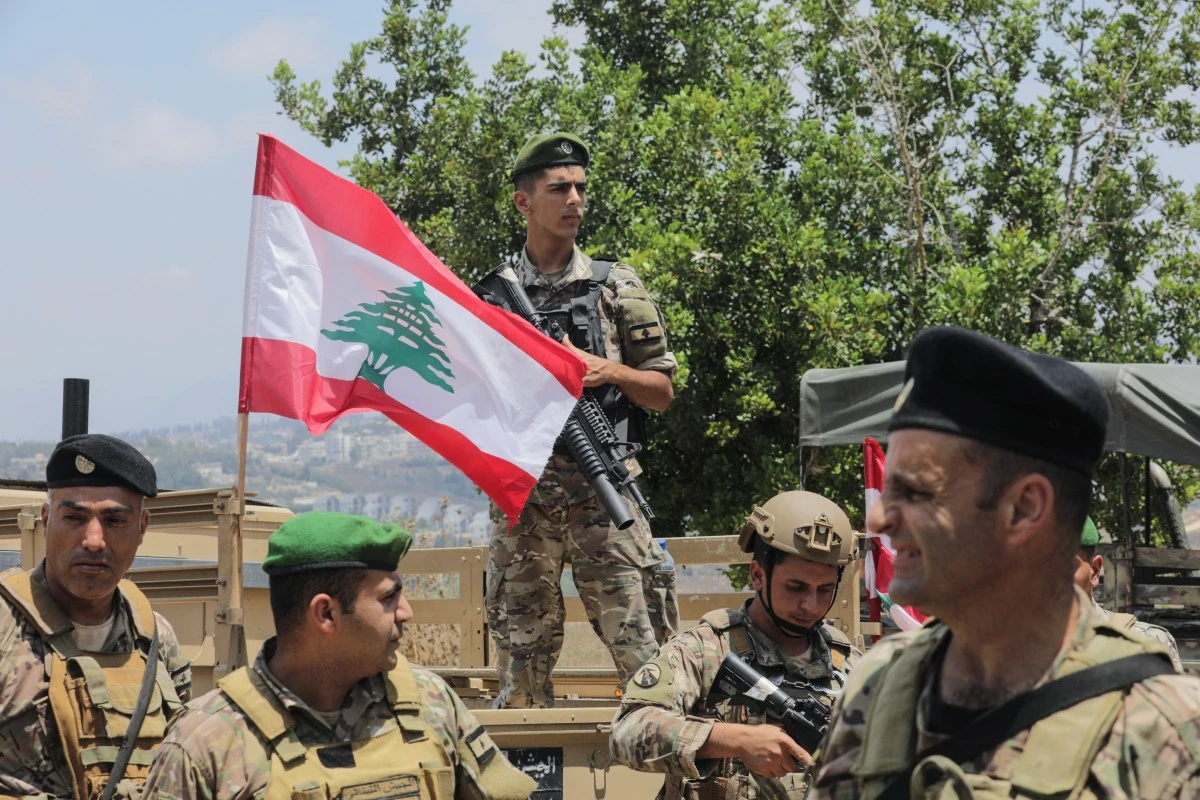
The Lebanese army has seized two other shipments of explosives since the beginning of the month in the east of the country, near the border with Syria.
Since the fall of former Syrian president Bashar Assad at the end of 2024, the two countries have been working to eradicate smuggling across their porous border.
- ‘Calculated decision’ -
Experts said the group’s rare admission was likely to control the narrative around the seizure of the shipment.
“I think Hezbollah’s unusually explicit admission that the explosives belonged to the organization was a calculated political decision, not a spontaneous acknowledgement,” said Karim Bitar, a lecturer at Sciences Po in Paris.
“Hezbollah is openly challenging the Lebanese authorities,” he added, saying it countered the government’s claim to have a state monopoly over weapons.
David Wood, an analyst at the International Crisis Group, said the movement was likely seeking to reassure the Lebanese people that “it is maintaining armed resistance against Israel, not resorting to violence against its domestic rivals.”
Hezbollah’s arsenal is a major bone of contention in Lebanon, with the group accused of operating as a “state within a state.”
But the pro-Iranian group is not the force it once was after its recent wars with Israel, the first launched in support of the Palestinian group Hamas in 2023, and the second in March of this year in support of Iran.
Both wars involved major Israeli air and ground campaigns in southern Lebanon.
Since June, violence in the south has subsided after the memorandum of understanding signed between Washington and Tehran in the wider Middle East war, as well as a separate US-brokered framework agreement between Lebanon and Israel, which includes provisions for Hezbollah’s disarmament.
The Shiite group has not claimed any attacks against Israel since June 20.