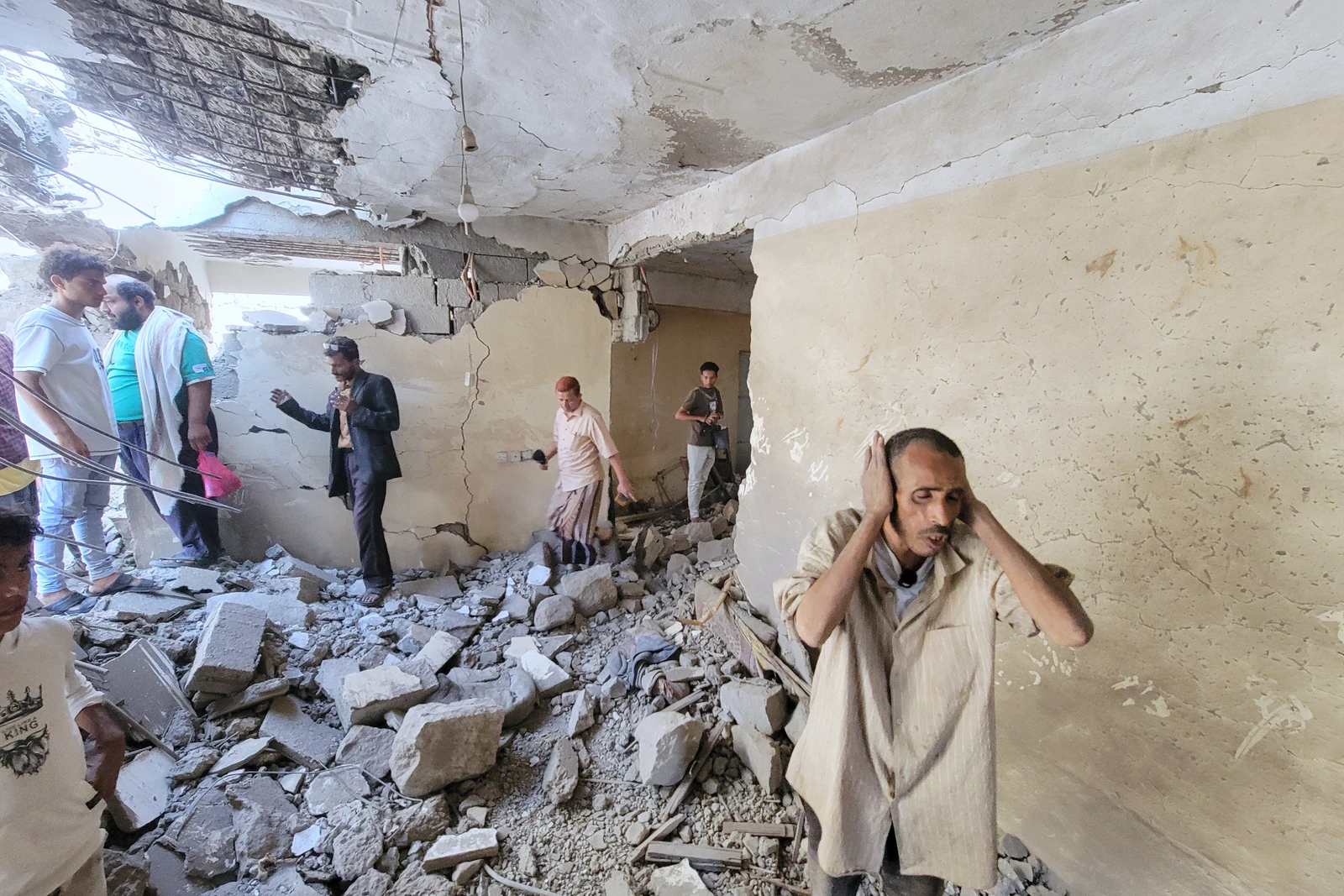
- Death of Mohammad Al-Shami in Houthi custody renews scrutiny of treatment of detained humanitarian staff
- Arrests raise question of whether international agencies can protect Yemeni staff on whom their work depends
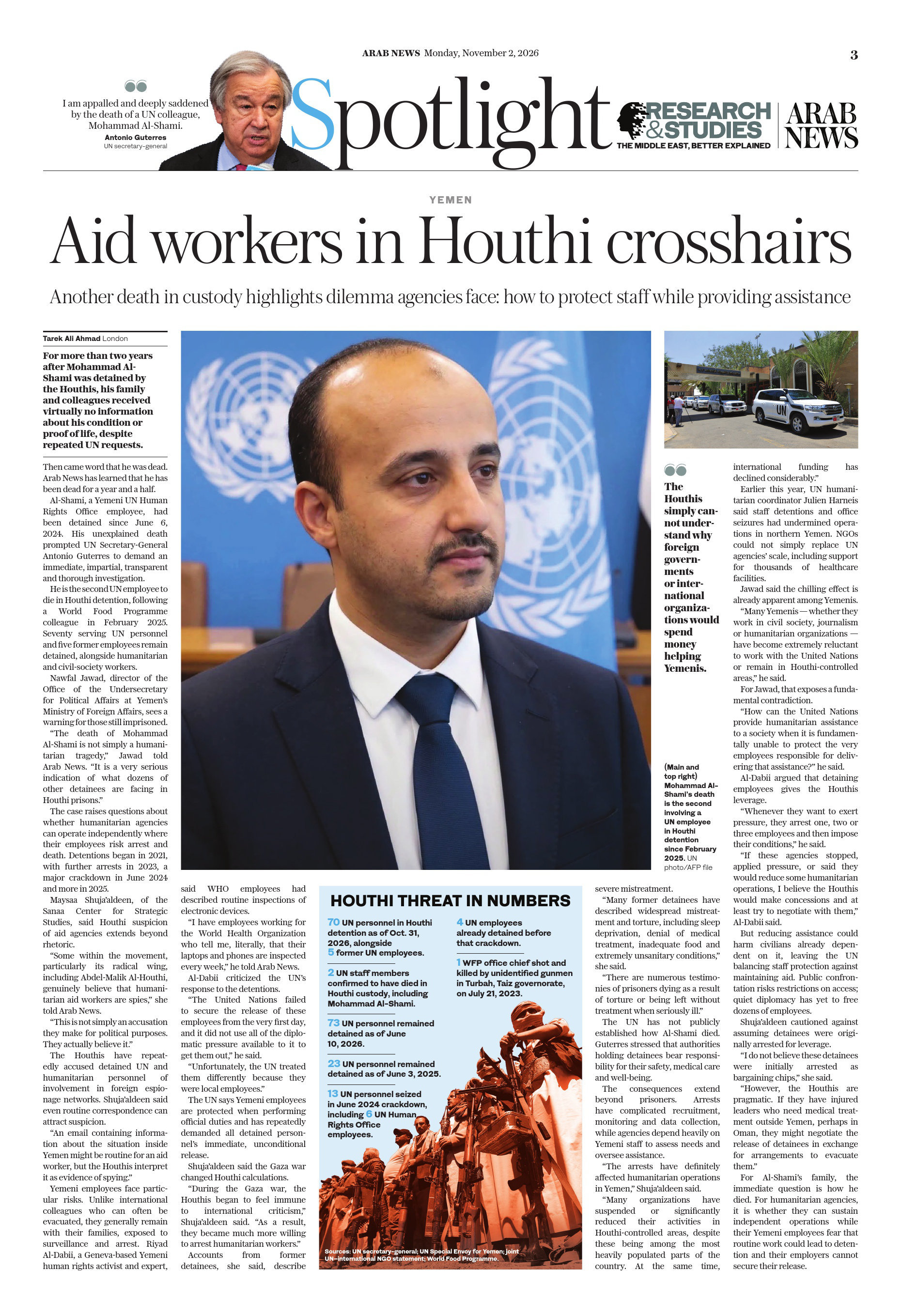
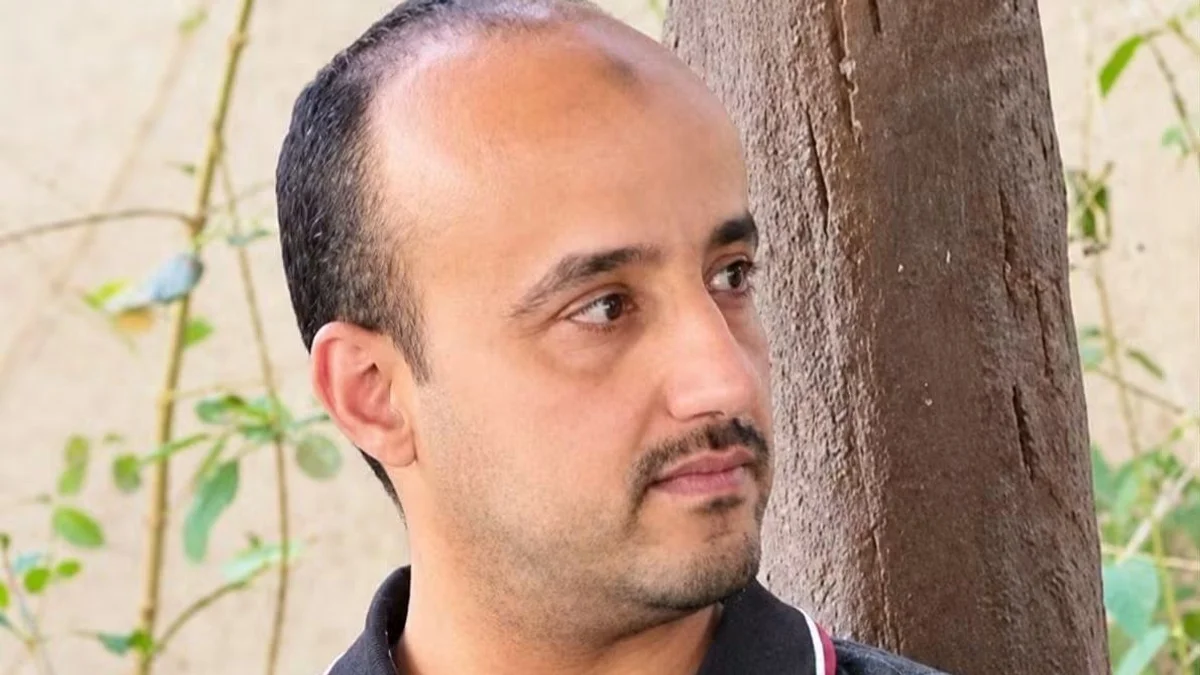
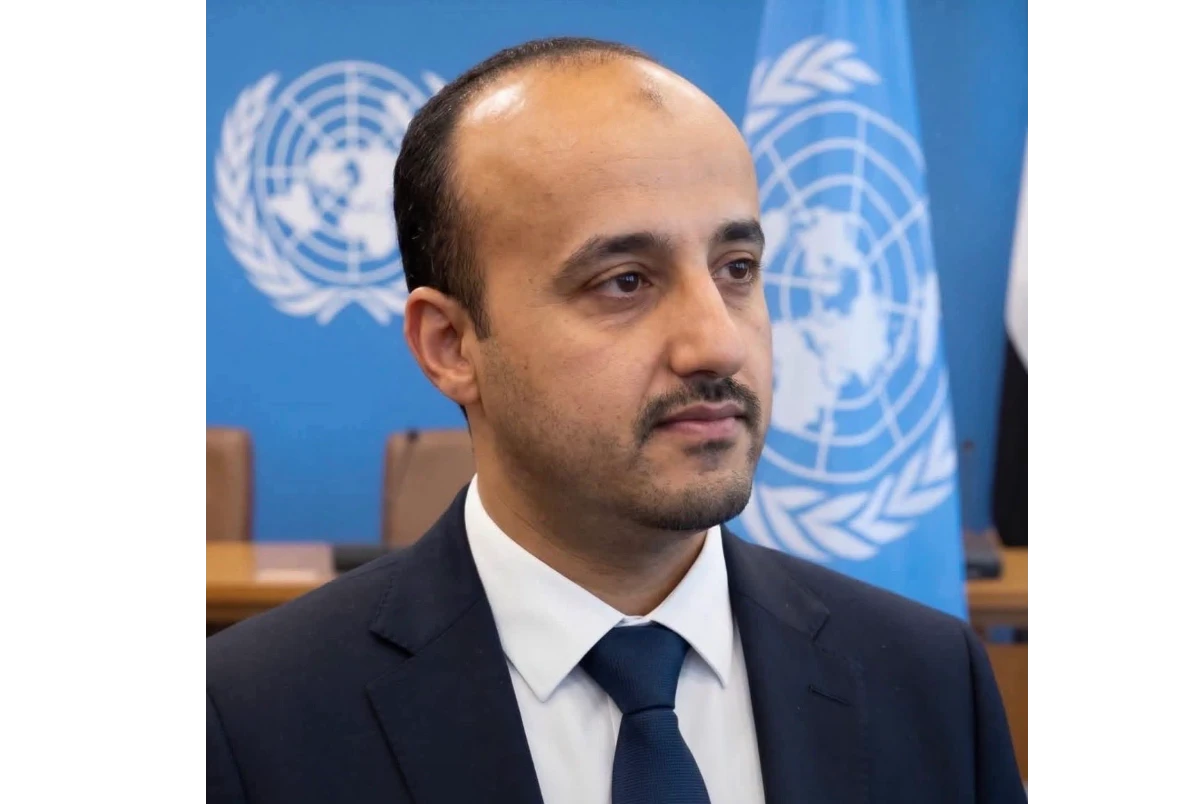
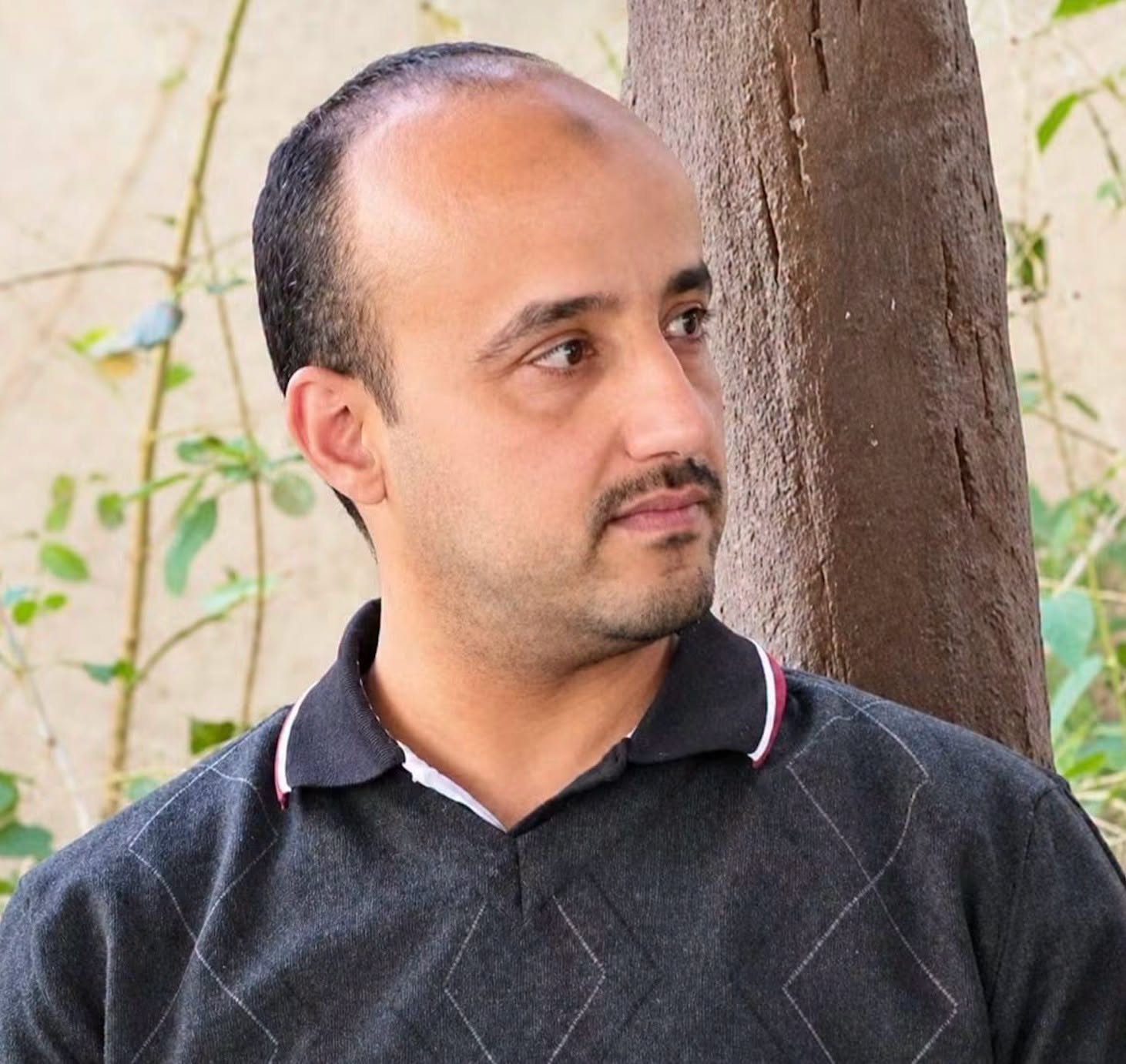
LONDON: For more than two years after Mohammad Al-Shami was detained by the Houthis, his family and colleagues were given virtually no indication of what had happened to him.
There was no information about his condition and no proof of life, despite repeated requests from the UN.
Then came word that he was dead, and Arab News has learned that he has been dead for a year and a half.
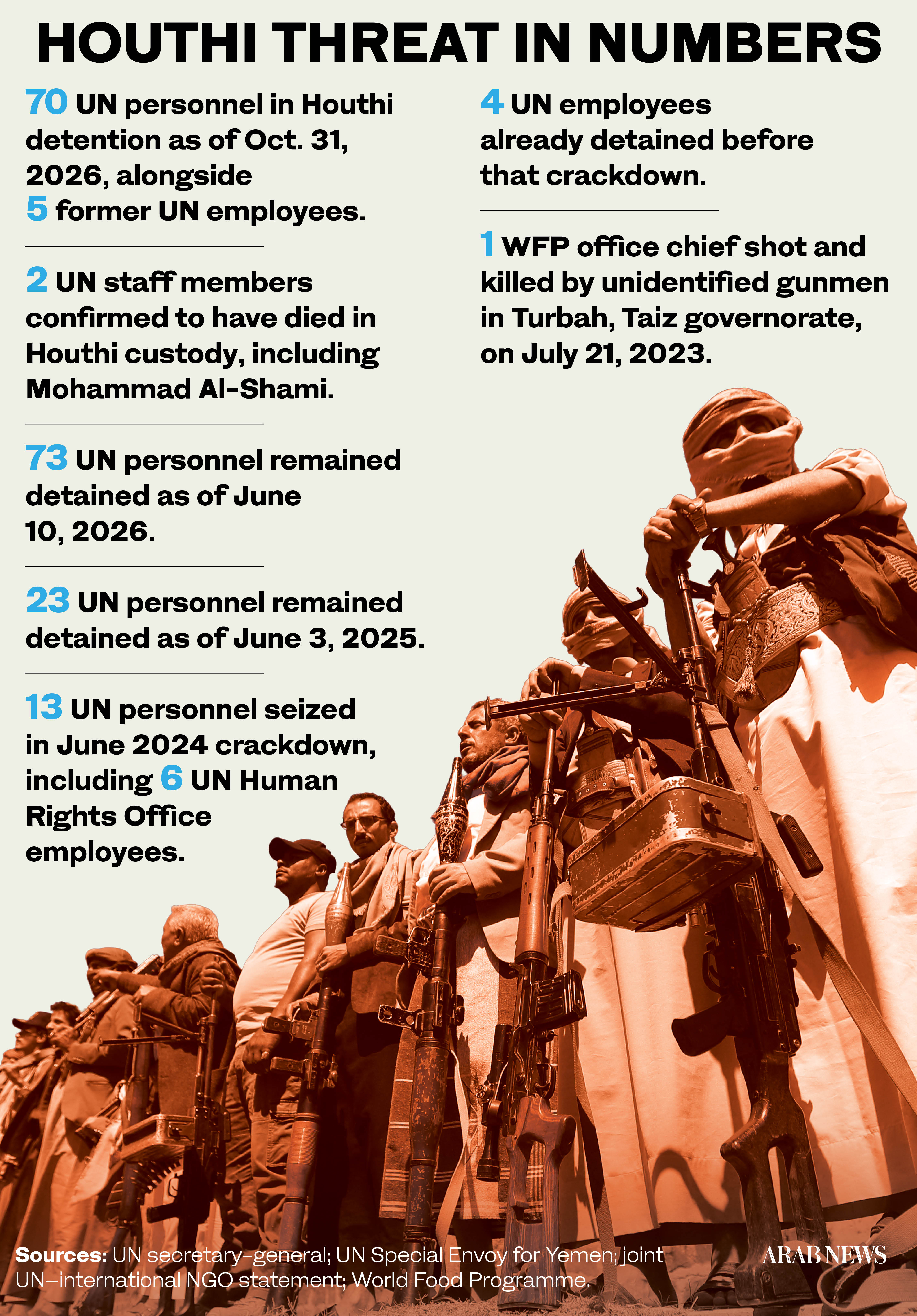
Al-Shami, a Yemeni employee of the UN Human Rights Office, had been detained by the Houthi authorities since June 6, 2024. The circumstances surrounding his death remain unclear, prompting UN Secretary-General Antonio Guterres to demand an immediate, impartial, transparent and thorough investigation.
“I am appalled and deeply saddened by the death of a UN colleague, Mohammad Al-Shami, while in the custody of the Houthi de-factor authorities in Yemen,” he wrote on X.
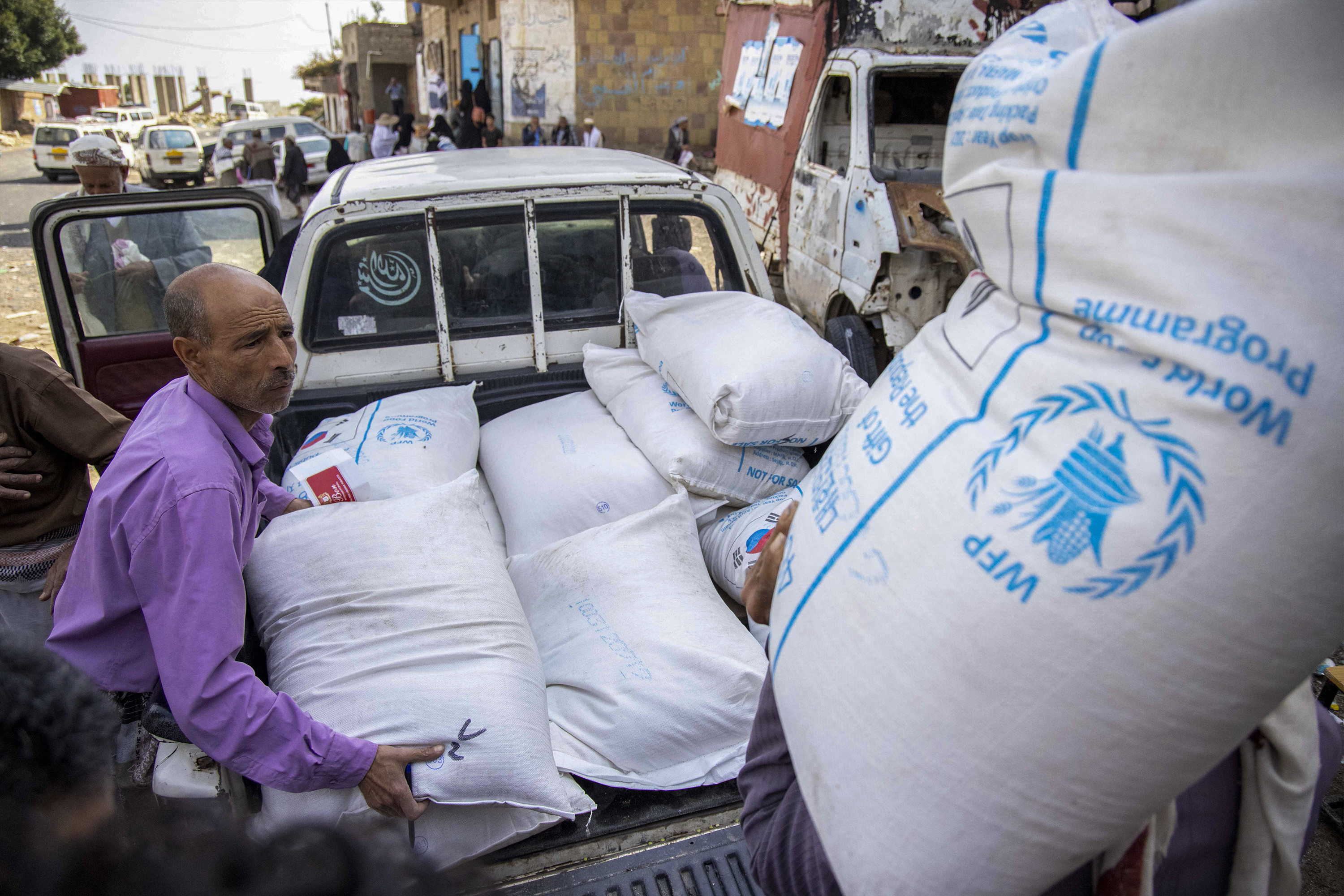
His death is the second involving a UN employee in Houthi detention, following the death of a World Food Programme staff member in February 2025.
The UN said that 70 serving personnel and five former staff members were being detained by the Houthis, alongside workers from humanitarian and civil society organizations.
For Nawfal Jawad, a Yemeni diplomat and director of the Office of the Undersecretary for Political Affairs at Yemen’s Ministry of Foreign Affairs, Al-Shami’s death should be viewed as a warning about those who remain behind bars.
“The death of Mohammad Al-Shami is not simply a humanitarian tragedy,” Jawad told Arab News. “It is a very serious indication of what dozens of other detainees are facing in Houthi prisons.”
ALSO READ: Arab Views: What’s holding up the Houthi terror designation?
The case has intensified scrutiny of a yearslong detention campaign targeting UN personnel, aid workers, civil society activists and others in Houthi-controlled Yemen.
It has also raised a larger question: Can humanitarian organizations continue working independently in territory where their own employees risk arrest, incommunicado detention and, in some cases, death?
The major wave of arrests in June 2024 swept up personnel from UN agencies, NGOs, civil society organizations and diplomatic missions. Other UN workers had been detained in 2021 and 2023, with further arrests last year. Some have been held incommunicado.
But understanding why humanitarian workers have become targets requires looking beyond the arrests themselves to how some within the Houthi movement view international organizations.
Maysaa Shuja’aldeen, of the Sanaa Center for Strategic Studies, said that suspicion of humanitarian agencies among some senior Houthi figures went considerably deeper than political rhetoric.
“Some within the movement, particularly its radical wing, including Abdel-Malik Al-Houthi, genuinely believe that humanitarian aid workers are spies,” she told Arab News.
“This is not simply an accusation they make for political purposes. They actually believe it.”
The Houthis have repeatedly accused detained humanitarian and UN personnel of involvement in foreign espionage networks.
Shuja’aldeen said that such allegations reflected a worldview in which international involvement in Yemen is frequently interpreted primarily through a security lens.
“They simply cannot understand why foreign governments or international organizations would spend money helping Yemenis,” she said.
“The idea that countries might provide food or humanitarian assistance purely for humanitarian reasons does not make sense to them. It is a concept that does not fit into their worldview.”
That suspicion can extend even to routine aspects of humanitarian work.
“When the Houthis seize aid workers’ laptops and access their emails, they sometimes find completely ordinary correspondence,” Shuja’aldeen said.
“An email containing information about the situation inside Yemen might be routine for an aid worker but the Houthis interpret it as evidence of spying.”
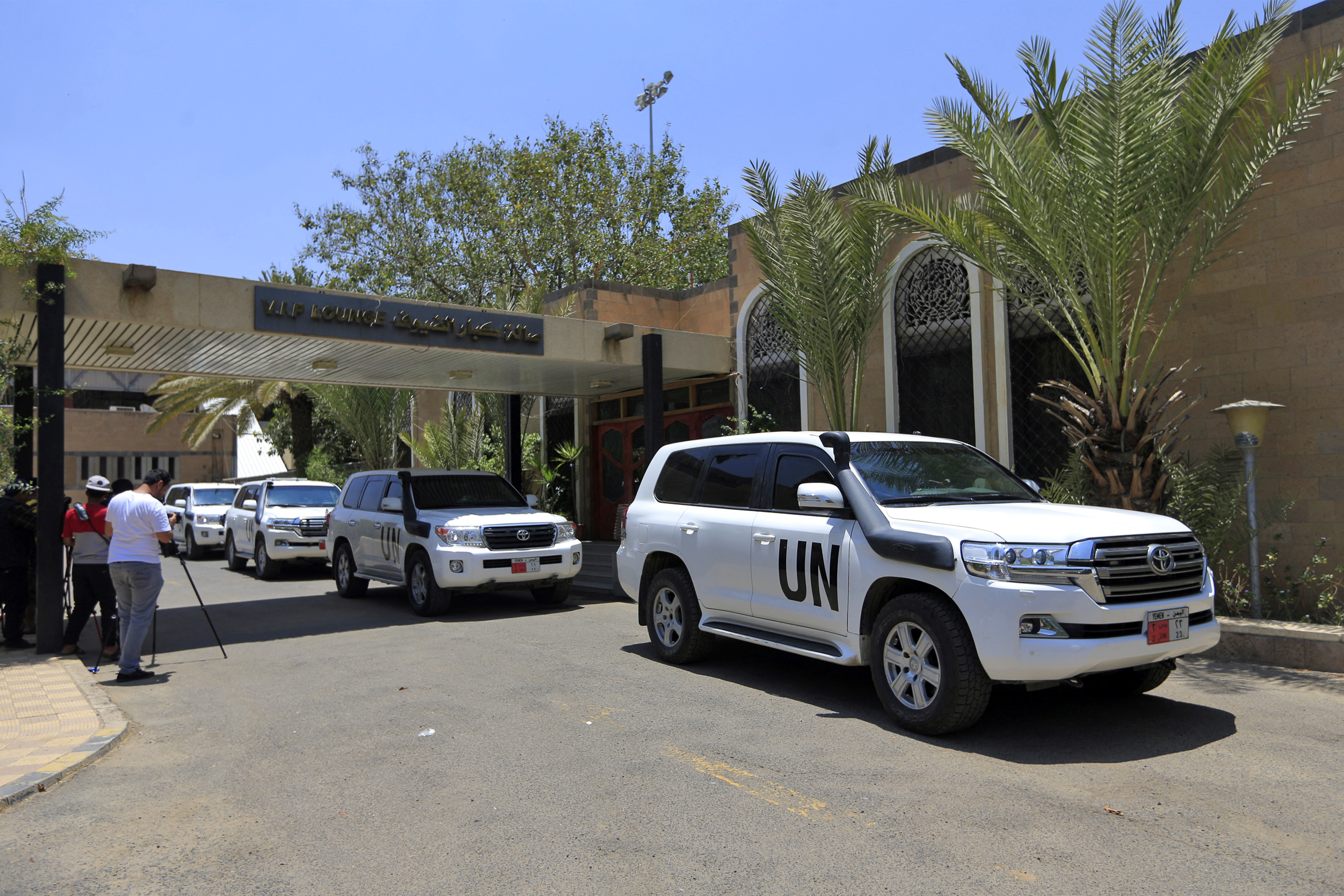
For Yemeni staff that scrutiny can be particularly intrusive.
Riyad Al-Dabii, a Geneva-based Yemeni human rights activist and expert, said that he had been told directly by employees working with the WHO that their electronic devices were routinely examined.
“I have employees working for the World Health Organization who tell me, literally, that their laptops and phones are inspected every week,” he told Arab News.
The risks faced by local staff differ markedly from those confronting their foreign colleagues.
International employees can often be evacuated when the security environment deteriorates. Yemeni employees generally remain in the country, frequently with their families, leaving them more exposed to pressure, surveillance and arrest.
Al-Dabii said that this distinction had shaped the UN’s response when its workers were detained.
“The United Nations failed to secure the release of these employees from the very first day and it did not use all of the diplomatic pressure available to it to get them out,” he said.
“Unfortunately, the UN treated them differently because they were local employees.”
The UN, for its part, said that Yemeni nationals working for the organization were protected in the performance of their official duties and has repeatedly demanded the immediate and unconditional release of all detained personnel.
The detention campaign nevertheless appears to have altered the environment in which those workers operate.
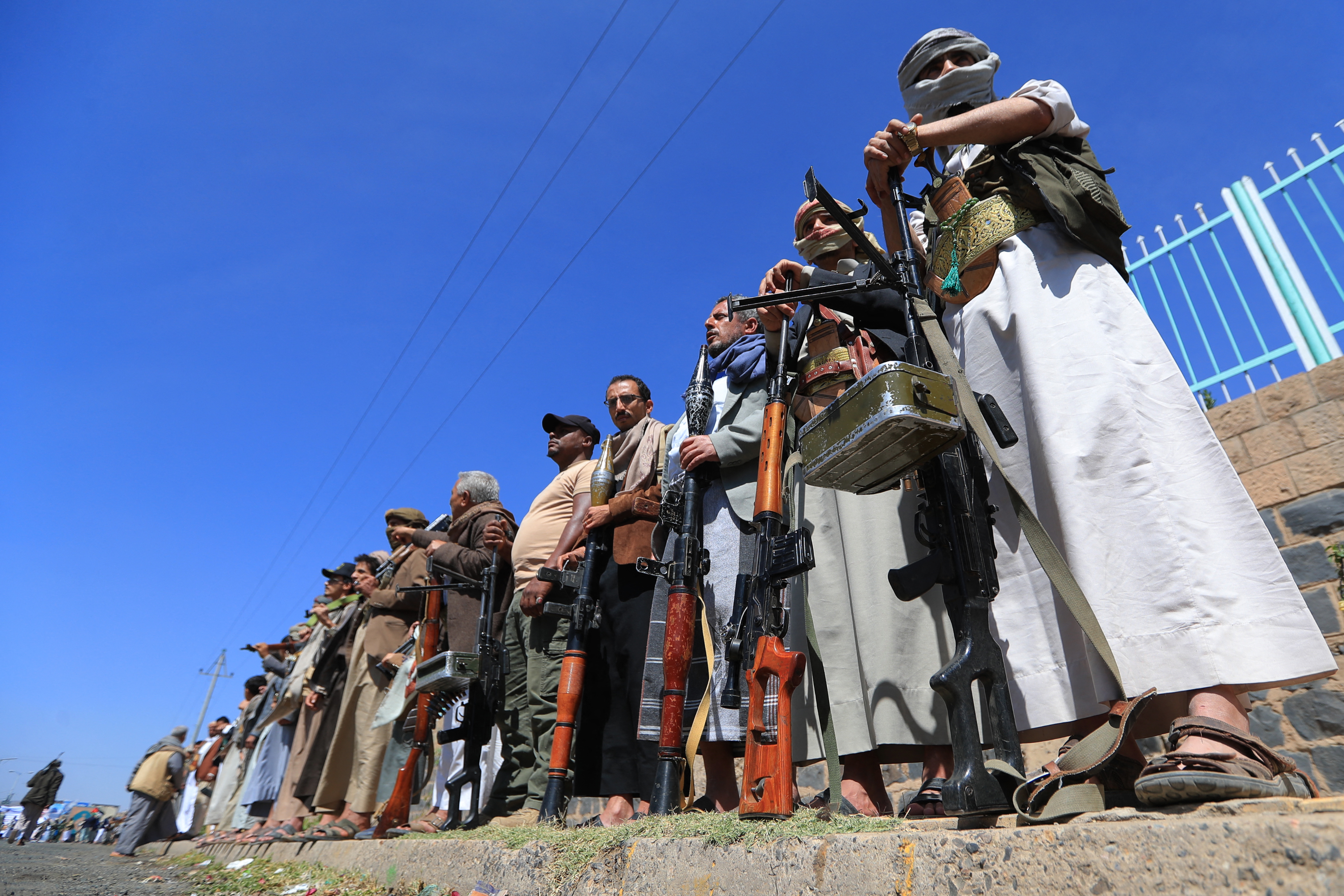
Shuja’aldeen believes that a significant change in Houthi calculations happened during the Gaza war.
Previously, she said, the militia saw advantages in avoiding a major confrontation with humanitarian organizations because international pressure could prove useful during its conflict with the Coalition to Restore Legitimacy in Yemen.
That calculation changed as the Houthis gained international prominence through their military campaign that they said was carried out in support of Gaza.
“During the Gaza war, the Houthis began to feel immune to international criticism,” Shuja’aldeen said.
“As a result, they became much more willing to arrest humanitarian workers.”
The detention campaign has since become one of the most serious points of friction between the Houthis and the international organizations operating in Yemen.
And Al-Shami’s death has sharpened another question: What happens to detainees once they disappear into the Houthi prison system?
According to Shuja’aldeen, accounts from former detainees describe severe mistreatment.
“Many former detainees have described widespread mistreatment and torture, including sleep deprivation, denial of medical treatment, inadequate food and extremely unsanitary conditions,” she said.
“There are numerous testimonies of prisoners dying as a result of torture or being left without treatment when seriously ill.”
The UN has not established publicly how Al-Shami died. Guterres said that the circumstances remained unclear and stressed that authorities exercising custody bore responsibility for detainees’ protection, safety, access to medical care and physical and psychological well-being.
For humanitarian organizations, however, the consequences extend far beyond those already in detention.
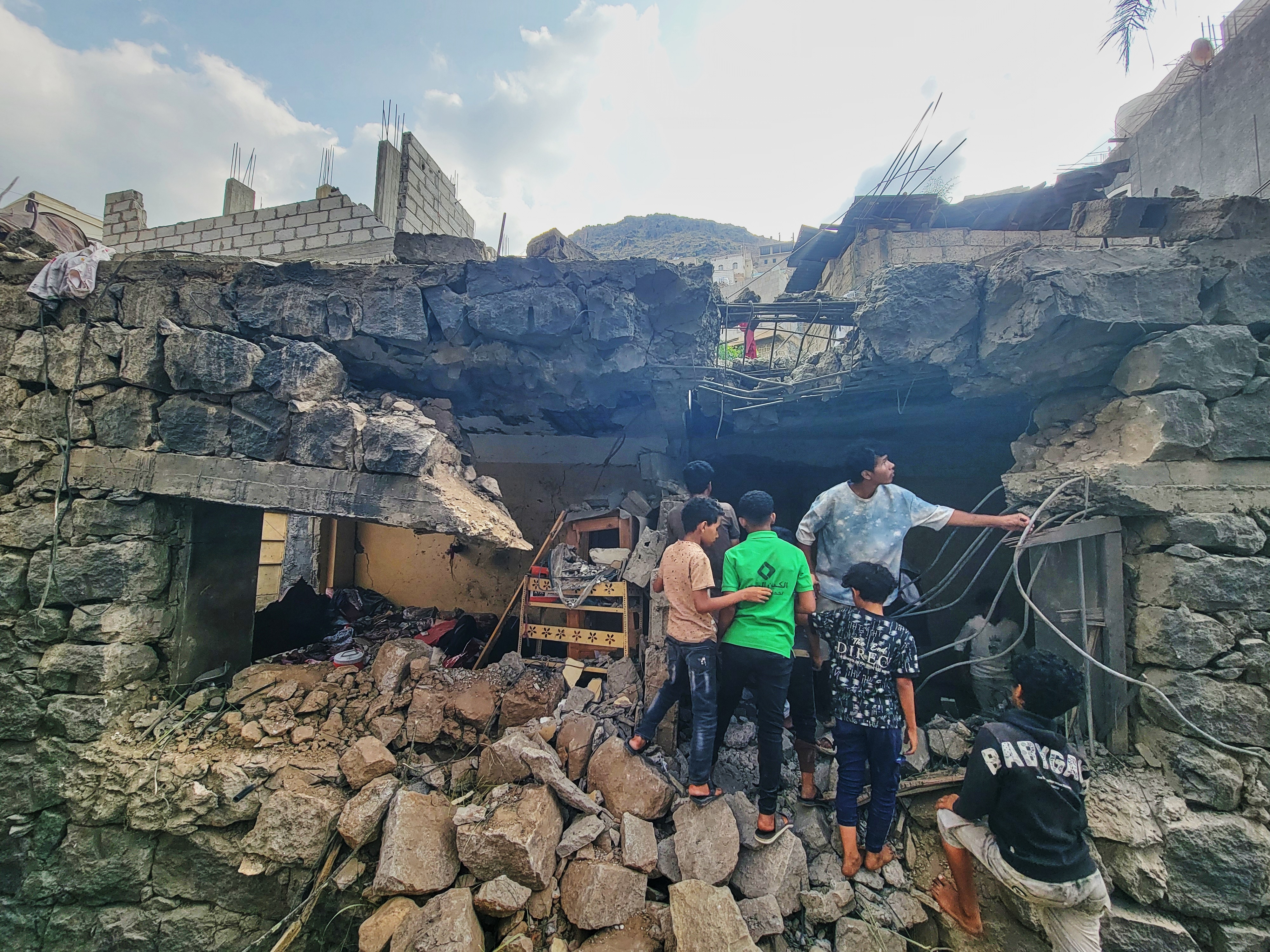
The arrests have complicated recruitment, monitoring, data collection and the willingness of employees to work on politically sensitive issues.
“The arrests have definitely affected humanitarian operations in Yemen,” Shuja’aldeen said.
“Many organizations have suspended or significantly reduced their activities in Houthi-controlled areas, despite these being among the most heavily populated parts of the country. At the same time, international funding has declined considerably.”
The UN said in June that the detentions had “severely constrained” the ability of the organization and its partners to assist millions of people across Yemen.
Earlier this year Julien Harneis, the UN resident and humanitarian coordinator for Yemen, said that the detention of staff and seizure of offices had left the organization without the conditions necessary to work normally in northern Yemen.
He said that some functions could not simply be transferred to nongovernmental organizations because UN agencies operated at a scale few other organizations could replicate, including support for thousands of primary healthcare facilities.
For Jawad, that exposes a fundamental contradiction.
“How can the United Nations provide humanitarian assistance to a society when it is fundamentally unable to protect the very employees responsible for delivering that assistance?” he said.
International agencies depend heavily on Yemeni staff to reach communities, assess needs, verify beneficiaries and monitor how assistance is distributed.
If those workers fear that routine emails, field surveys, interviews or reports could later be interpreted as espionage, the effect goes beyond staff safety.
Workers may avoid sensitive assignments. Organizations may become more cautious about collecting information. Local employees may refuse postings in Houthi-controlled areas altogether.
Jawad said that that chilling effect was already apparent. “Many Yemenis, whether they work in civil society, journalism or humanitarian organizations, have become extremely reluctant to work with the United Nations or remain in Houthi-controlled areas,” he said.
That raises the prospect of an increasingly constrained humanitarian system in which international agencies remain formally present but have less freedom to independently assess conditions and monitor assistance.
Al-Dabii said that the detention of local employees had itself become a source of leverage over international organizations.
“Whenever they want to exert pressure, they arrest one, two or three employees and then impose their conditions,” he said.
He said that the UN agencies providing healthcare, food and other essential services in northern Yemen possessed more negotiating leverage than they had been willing to exercise.
“If these agencies stopped, applied pressure, or said they would reduce some humanitarian operations, I believe the Houthis would make concessions and at least try to negotiate with them,” Al-Dabii said.
But using humanitarian assistance as leverage presents its own dilemma.
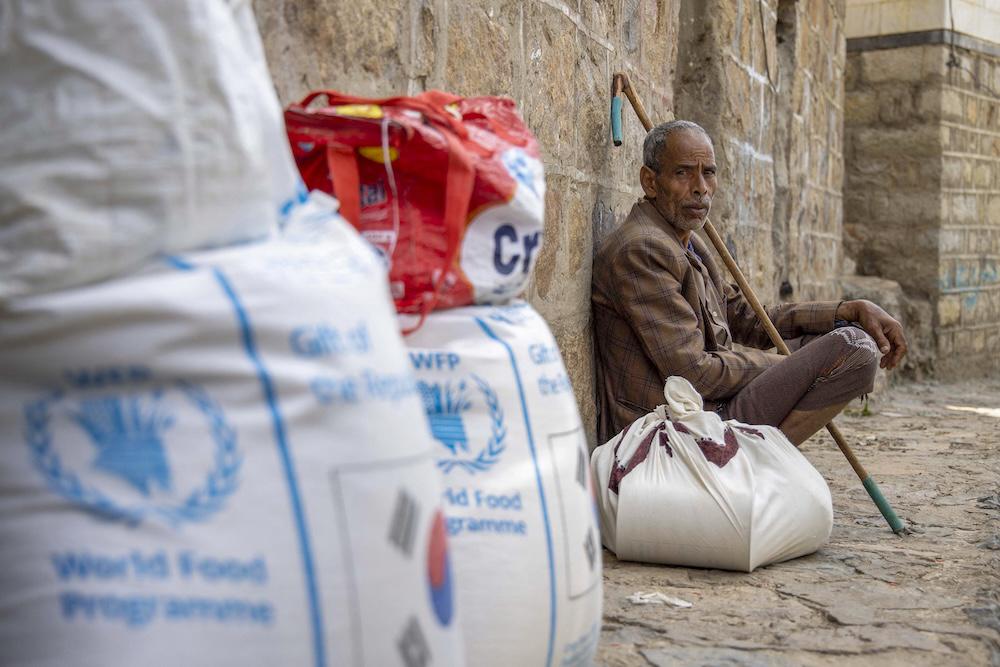
Reducing operations intended to pressure the Houthis could ultimately harm civilians who have no role in the detentions and are already dependent on international assistance.
That leaves the UN navigating between protecting its staff and maintaining aid to vulnerable communities.Public confrontation risks further restrictions on access. Quiet diplomacy, however, has yet to secure the release of dozens of employees.
In June, Guterres said that the UN would continue dialogue with the Houthi authorities and pursue “all possible avenues” to secure the release of its staff. At the time, 73 UN employees were detained. Less than five months later, the organization announced that Al-Shami had died in custody.
The prolonged detentions also raise the possibility that prisoners initially arrested on security grounds could later acquire value in negotiations.
Shuja’aldeen cautioned against assuming this was necessarily the original motivation.
“I do not believe these detainees were initially arrested as bargaining chips,” she said.
“However, the Houthis are pragmatic. If they have injured leaders who need medical treatment outside Yemen, perhaps in Oman, they might negotiate the release of detainees in exchange for arrangements to evacuate them.”
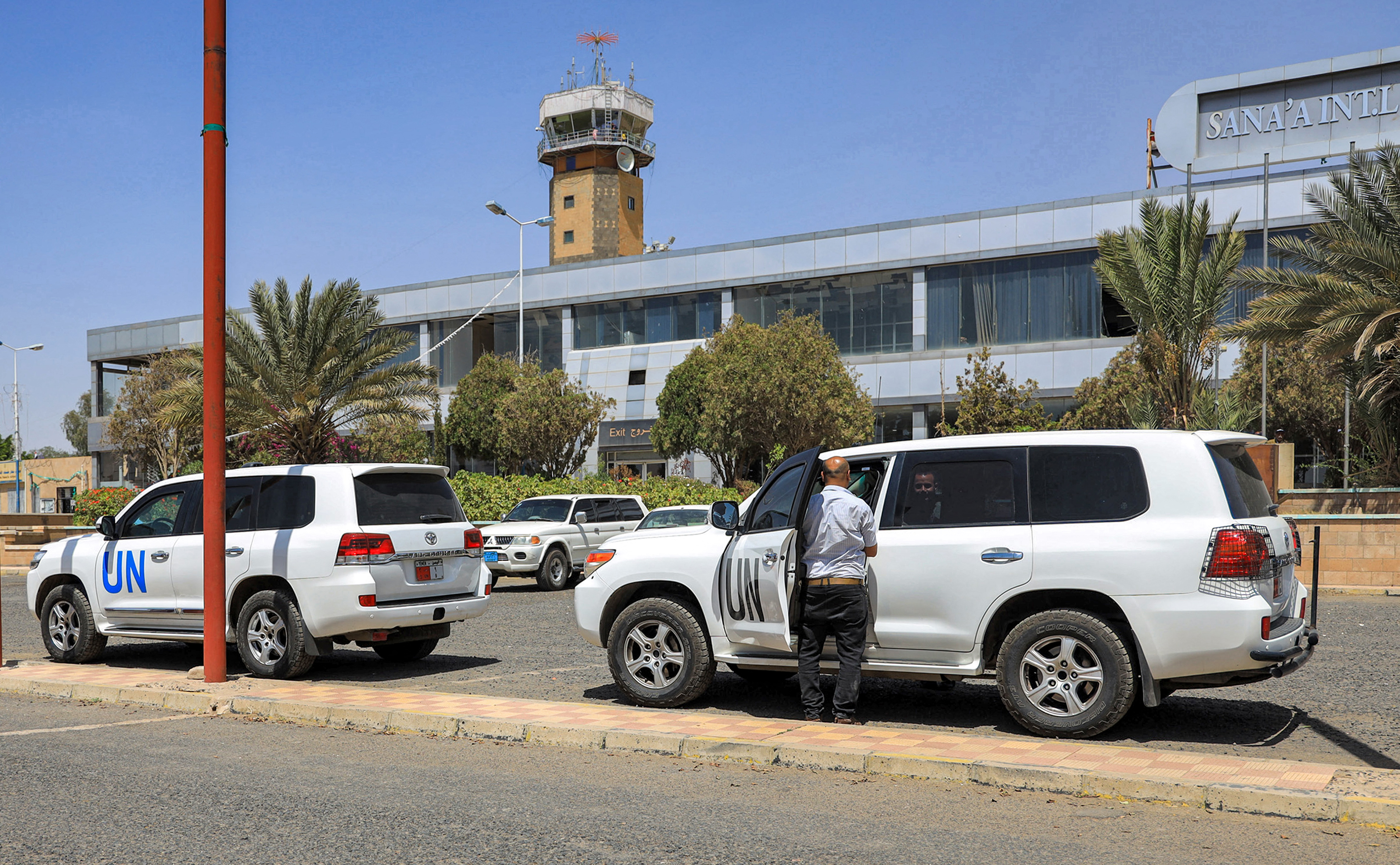
For Al-Shami’s family, the immediate issue is considerably simpler: They need to know what happened to him.
The UN is demanding an independent investigation but the implications extend well beyond one death.
A total of 70 serving UN personnel and five former employees remain detained, according to the organization. Some personnel have been held for years, while the UN says the arrests are already constraining its ability to operate.
Humanitarian organizations cannot easily abandon communities that depend on their assistance.
But neither can they indefinitely operate under conditions in which the Yemeni employees responsible for delivering that aid fear that an email, report or conversation could be viewed as evidence of espionage, or that detention could follow with little ability for their employers to secure their release.
Al-Shami’s death has brought that contradiction into sharper focus.
For his family, the first question is how he died. But for Yemen’s humanitarian community, the question is broader: How sustainable can independent humanitarian action remain when the institutions employing them cannot keep them safe from harm?