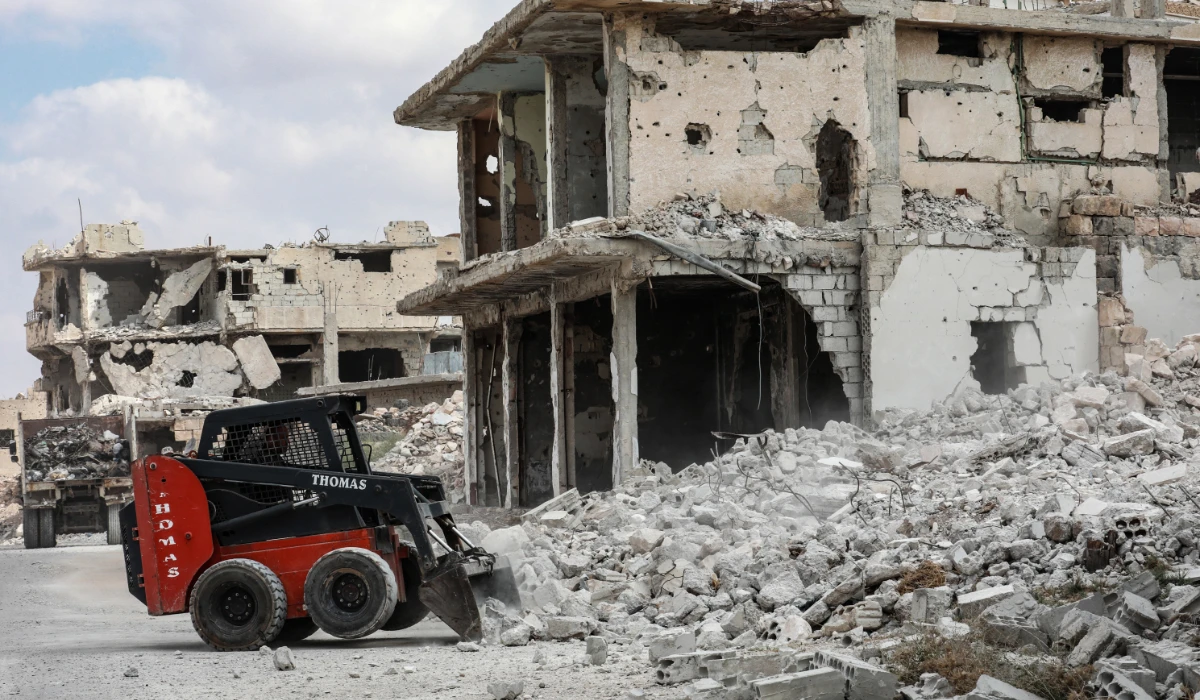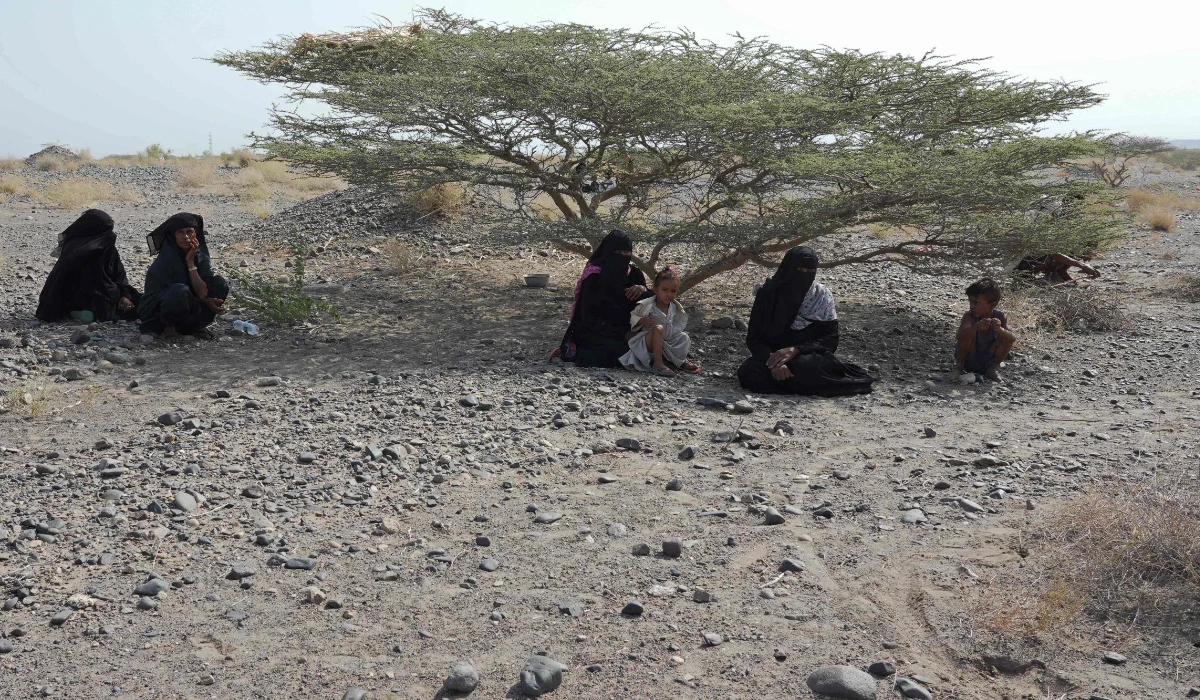
- After the Houthis moved in, tens of thousands of locals fled, many to the major southern city of Aden, where the government is based
DUBAI: Life has ground to a halt for locals in Yemen’s Mokha since Houthi fighters seized the strategic Red Sea port city last week, with shops closed, schools deserted and families confined to their homes.
“I haven’t gone out to work for a week. If I do go out, it’s only to go to the grocery shop out of necessity,” resident Mahmoud, 34, said by phone.
The bus driver spoke on condition of anonymity for fear of reprisals by the Houthis, who took control of the southwestern city in a lightning offensive this month against the internationally recognized government’s forces.
People are afraid that their children will be influenced by Houthi propaganda and recruited into their ranks.
Maysaa Shuja Al-Deen, Analyst
Large numbers of civilians have fled the city, which once played a key role in the coffee trade and gives the drink its name.
Shops that used to stay open in the evenings now close much earlier, Mahmoud said.
“People are afraid. There is electricity, but at 8 p.m. the whole city is plunged into darkness,” he said.
After the Houthis moved in, tens of thousands of locals fled, many to the major southern city of Aden, where the government is based.
Yet “many families stayed behind,” mainly because of a lack of funds, said Mahmoud, adding that the price of a bus journey to Aden had skyrocketed.
After moving into the city, the Houthis “are coming up against the reluctance of residents who are holed up in their homes,” said Youssef, a 45-year-old teacher who also requested anonymity.
He said that “for the time being, parents are refusing to send their children to school” in the city.
“There is anxiety, fear and constant tension.”
Parents have fled Houthi control or refused to send their children to school when the fighters have taken over government areas.
“People are afraid that their children will be influenced by Houthi propaganda and recruited into their ranks, said Maysaa Shuja Al-Deen, a researcher at the Sanaa Center for Strategic Studies.
She said others had left Houthi areas because they were scared to live under crippling US sanctions targeting the Houthis, while others were concerned about crackdowns on NGOs, journalists and opponents.
As panic over Houthi reprisals took hold in Mokha, some residents were taking measures to avoid punishment.
“I know neighbors who have even deleted WhatsApp for fear of being prosecuted or arrested,” said Youssef.
“Fear prevails.”