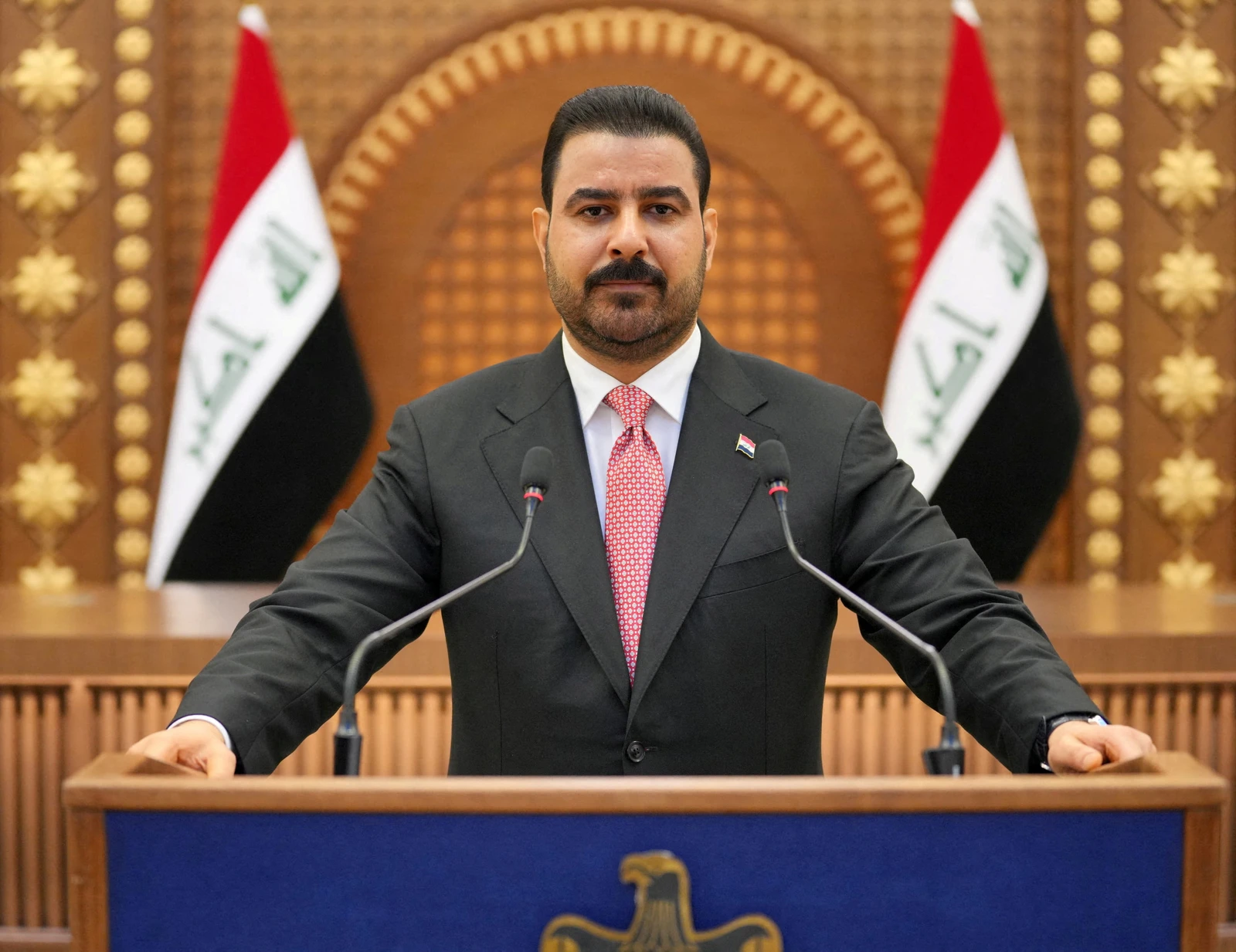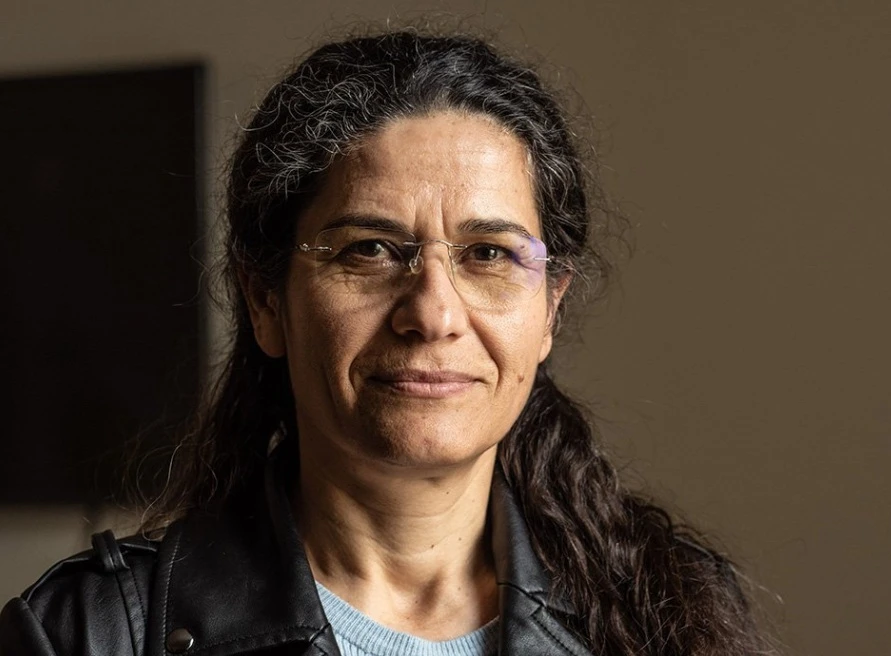
- Ahmad's appointment increased the number of parliament members from 205 to 206
- She is recognized for her advocacy for Kurdish rights and women’s participation in politics
DAMASCUS: Syrian President Ahmed Al-Sharaa has appointed senior Kurdish leader Elham Ahmad as a lawmaker, parliament announced on Thursday, months after an integration deal between the Kurds and Damascus.
After a military push by Syria’s new authorities that saw Kurdish fighters give up territory they had seized while battling the Daesh group during Syria’s civil war, the Kurds and Damascus in January reached an agreement on integrating Kurdish forces and institutions into the state.
In August, Mazloum Abdi, who headed the Syrian Democratic Forces, announced the dissolution of his Kurdish-led fighting force and was appointed as an adviser to Sharaa.
Sharaa took power after his Islamist group led a coalition that toppled longtime ruler Bashar Assad in December 2024, and under Syria’s transitional arrangements he appoints one-third of parliament’s members.
The parliament released a decree signed by Sharaa appointing Ahmad as “a member of the people’s assembly to fill the vacancy of an independent member, bringing the number of members from 205 to 206.”
The integration deal was a major victory for Sharaa but ended the Kurds’ long-held hopes for official autonomy, which Ahmad had fervently pushed for.
Born in Afrin in 1972, Ahmad has long played a prominent role domestically and internationally in defending Kurdish rights and advocating for women’s participation in political life.
She began political activism as a women’s rights defender when she was studying Arabic literature at Aleppo University.
She later became one of the founders of the Kurds’ semi-autonomous administration in north and northeast Syria during the civil war which eventually administered swathes of territory with civil and military institutions.
Ahmad took on prominent positions within the administration including serving as co-chair of its foreign relations department.
After strongly advocating for a decentralized, pluralistic system, opposed by the new government, she became one of the key negotiators — alongside Abdi — in talks with Damascus that led to the signing and implementation of the integration deal.
In May, Ahmad was able to visit her native Afrin for the first time in nine years, as the agreement allowed displaced Kurds to return home.
Syria’s Kurds, who have historically complained of discrimination, are estimated to number around two million in the country, out of a population of 20 million.
During the government’s military push, Sharaa signed a decree enshrining the Kurds’ national rights and recognizing Kurdish as a national language.