GENEVA/BAGHDAD: Daesh fighters have executed scores more people around Mosul this week and are reportedly stockpiling ammonia and sulfur in civilian areas, possibly for use as chemical weapons, UN human rights spokeswoman Ravina Shamdasani said on Friday.
A mass grave with over 100 bodies found in the town of Hammam Al-Alil was one of several Daesh killing grounds, Shamdasani said, citing information gleaned from sources on the ground including a man who played dead during a mass execution.
Public executions were being carried out for “treason and collaboration” with Iraqi forces trying to recapture the city, or for the use of banned mobile phones or desertion.
People with explosive belts, possibly teenagers or young boys, were being deployed in the alleys of Old Mosul, while abducted women were being “distributed” to fighters or told they would be used to accompany Islamic State convoys, she said.
It said that in another incident, the extremists on Wednesday reportedly shot to death 20 civilians in the Ghabat Military Base on charges of leaking information. Those bodies too were hung at various traffic intersections in Mosul, with notes stating that they had “used cell phones to leak information.”
The reports were the latest evidence of Daesh exactions on civilians as it retreats into dense urban quarters of Iraqi’s second largest city.
The UN human rights office has also cited new details as proof that the Daesh group is using chemical weapons as Iraqi government forces try to oust its fighters from the city of Mosul.
Amid concerns about Daesh’s use of human shields in the city, rights office spokeswoman Ravina Shamdasani said four people died from inhaling fumes after Daesh jihadists shelled and set fires to the Al-Mishrag Sulfur Gas Factory in Mosul on Oct. 23.
Speaking to reporters in Geneva, Shamdasani said reports indicated the terrorists had stockpiled “large quantities” of ammonia and sulfur that have been placed in the same areas as civilians. She said international law requires protection of civilians near such chemicals.
UN officials say about 48,000 people have now fled Mosul since the government campaign began Oct. 17.
Booby traps
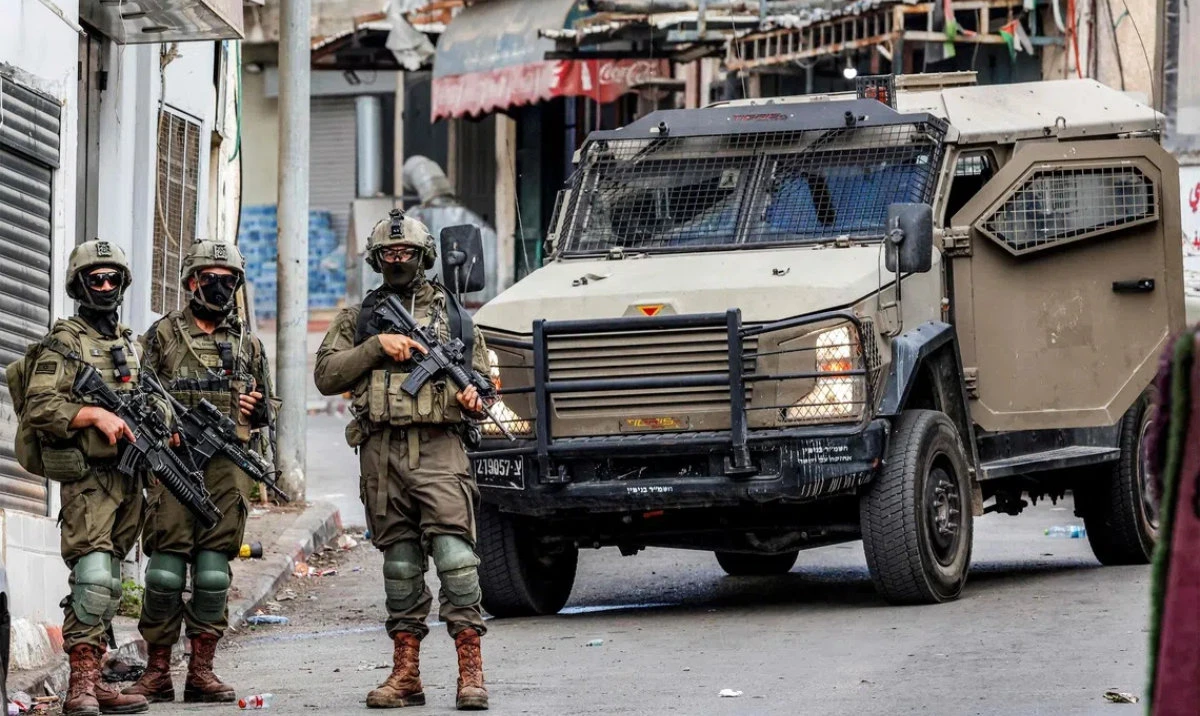
Iraqi troops inched have ahead in their battle to retake the northern city of Mosul from the Daesh group on Friday.
Exchanging small arms and mortar fire with Daesh positons, the special forces entered the Qadisiya neighborhood, advancing slowly to avoid killing civilians and trying to avoid being surprised by suicide car bombers, said Brig. Gen. Haider Fadhil.
Regular army troops control 90 percent of the Intisar neighborhood, said one officer, but progress had slowed because “the streets are too narrow for our tanks.” He spoke on condition of anonymity because he was not authorized to brief reporters.
Iraqi troops are converging from several fronts on Mosul, the second-largest city and the last major Daesh holdout in Iraq. Kurdish peshmerga forces are holding a line north of the city, while Iraqi army and militarized police units approach from the south, and government-sanctioned Shiite militias guard western approaches.
The Kurdish commander responsible for military operations at the formerly Daesh-held town of Bashiqa said his forces are still working to secure the northern Iraqi town.
Gen. Hamid Effendi told The Associated Press on Friday that large numbers of booby-trapped explosives remain in the town. He estimated the unexploded bombs could number more than a thousand.
He said most of the more than 100 Daesh fighters have been killed in combat, but that injured fighters likely remain in defensive tunnels built by the militants.
Effendi said he hopes the town will be fully secured by Saturday, but it will take longer to clear all the unexploded bombs. For that reason, civilians will not be allowed into the town in large numbers for at least a week.