JEDDAH: In the closing hours of 2015, Dubai’s otherwise strong global brand reputation faced the danger, quite literally, of going up in smoke.
As millions of people around the world, and thousands on the ground, waited to watch the spectacular New Year’s Eve fireworks show around the Burj Khalifa skyscraper, disaster struck.
The explosive show in the sky was preempted by an equally dramatic, but far from celebratory, fire at the nearby Address hotel.
News channels around the world centered their New Year’s Eve coverage on the fire, with social media users speculating as to its cause, any potential casualties, and whether the planned fireworks show would go ahead.
As the building blazed, the rumor mill could so easily have gone into overdrive. But a quick response from the Dubai Government Media Office — largely through timely information posted on its Twitter feed — helped extinguish many of the rumors, before the fire itself was put out. The response was the result of a successful social media strategy that one former Facebook executive wants to replicate elsewhere in the region.
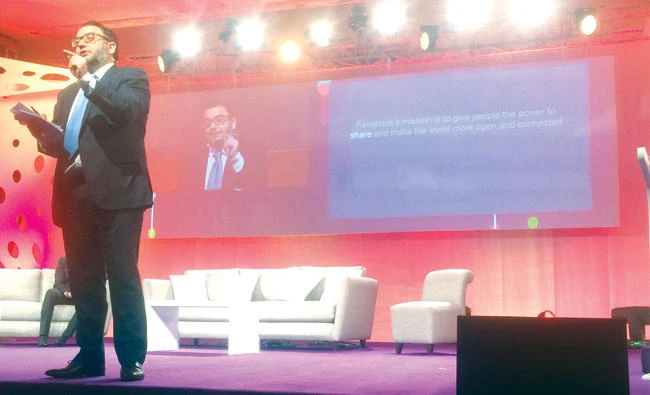
Ashraf Zeitoon is the managing partner and chief ideation officer at Diplomacy Labs, a consultancy that specializes in advising governments on how to use digital media to communicate with the public.
He says that the Dubai Media Office’s concise messaging during the New Year’s Eve case marked “one of the most successful cases of digital engagement by governments.”
He said that rumors on the night — concerning, for example, people being trapped in the burning hotel — were quickly quelled by the Media Office’s response.
“They managed to engage their constituency and manage their crisis in a very effective way, which prevented rumors from spreading,” Zeitoon said.
“They were there to fill the void immediately,” he added. The incident could otherwise have “turned into a threat to a city brand, or to a national brand.”
‘Hijacking’ the
narrative
But not all governments in the Middle East and North Africa have such effective digital communication strategies, Zeitoon said. And this is something he hopes to address with Diplomacy Labs.
“We’re dealing with a new reality… an age now where people spend on average three hours per day on their mobiles,” he said.
“For a lot of governments, this is a new reality that they are still trying to come to grips with.”
Given the Arab world’s high rates of smartphone and social media use, it is especially important for regional governments to get their message across online, Zeitoon said.
Diplomacy Labs, as a new operation, did not have any clients signed up as of early April, but Zeitoon said talks are ongoing.
Its mission is to offer “strategic advice to governments around the region on how to use the digital world to communicate with their constituency,” he said. The business will help governments develop digital strategies, or even assist in running communication offices.
The consequences for governments if they fail to address citizens digitally are severe, Zeitoon said.
It has the potential to leave a void in communication — which could so easily be filled by someone else with a different agenda.
“If you are not there as a government, to deliver on your narrative, someone else is going to hijack it. And they will deliver their version of the story,” he said.
Arab Spring
One obvious example of a narrative forming on social media, distinct from any governmental voice, came during the Arab Spring.
Zeitoon said that 2011 was “too early” for governments of the region to actively engage with citizens via digital media.
But now, he said, there is a greater understanding about the importance of both communicating online, and listening to the people.
“Governments now have an opportunity to listen to the pulse of the street… They can listen and see what are the key concerns.”
Yet despite the positive examples such as the Dubai Media Office’s handling of the New Year’s Eve fire, there are gaps in government communication elsewhere in the Middle East, Zeitoon added.
“While the users themselves are way advanced… a lot of the governments of the region have come late to the party,” he said.
As millions of people around the world, and thousands on the ground, waited to watch the spectacular New Year’s Eve fireworks show around the Burj Khalifa skyscraper, disaster struck.
The explosive show in the sky was preempted by an equally dramatic, but far from celebratory, fire at the nearby Address hotel.
News channels around the world centered their New Year’s Eve coverage on the fire, with social media users speculating as to its cause, any potential casualties, and whether the planned fireworks show would go ahead.
As the building blazed, the rumor mill could so easily have gone into overdrive. But a quick response from the Dubai Government Media Office — largely through timely information posted on its Twitter feed — helped extinguish many of the rumors, before the fire itself was put out. The response was the result of a successful social media strategy that one former Facebook executive wants to replicate elsewhere in the region.
Ashraf Zeitoon is the managing partner and chief ideation officer at Diplomacy Labs, a consultancy that specializes in advising governments on how to use digital media to communicate with the public.
He says that the Dubai Media Office’s concise messaging during the New Year’s Eve case marked “one of the most successful cases of digital engagement by governments.”
He said that rumors on the night — concerning, for example, people being trapped in the burning hotel — were quickly quelled by the Media Office’s response.
“They managed to engage their constituency and manage their crisis in a very effective way, which prevented rumors from spreading,” Zeitoon said.
“They were there to fill the void immediately,” he added. The incident could otherwise have “turned into a threat to a city brand, or to a national brand.”
‘Hijacking’ the
narrative
But not all governments in the Middle East and North Africa have such effective digital communication strategies, Zeitoon said. And this is something he hopes to address with Diplomacy Labs.
“We’re dealing with a new reality… an age now where people spend on average three hours per day on their mobiles,” he said.
“For a lot of governments, this is a new reality that they are still trying to come to grips with.”
Given the Arab world’s high rates of smartphone and social media use, it is especially important for regional governments to get their message across online, Zeitoon said.
Diplomacy Labs, as a new operation, did not have any clients signed up as of early April, but Zeitoon said talks are ongoing.
Its mission is to offer “strategic advice to governments around the region on how to use the digital world to communicate with their constituency,” he said. The business will help governments develop digital strategies, or even assist in running communication offices.
The consequences for governments if they fail to address citizens digitally are severe, Zeitoon said.
It has the potential to leave a void in communication — which could so easily be filled by someone else with a different agenda.
“If you are not there as a government, to deliver on your narrative, someone else is going to hijack it. And they will deliver their version of the story,” he said.
Arab Spring
One obvious example of a narrative forming on social media, distinct from any governmental voice, came during the Arab Spring.
Zeitoon said that 2011 was “too early” for governments of the region to actively engage with citizens via digital media.
But now, he said, there is a greater understanding about the importance of both communicating online, and listening to the people.
“Governments now have an opportunity to listen to the pulse of the street… They can listen and see what are the key concerns.”
Yet despite the positive examples such as the Dubai Media Office’s handling of the New Year’s Eve fire, there are gaps in government communication elsewhere in the Middle East, Zeitoon added.
“While the users themselves are way advanced… a lot of the governments of the region have come late to the party,” he said.