- The culture of peace in Saudi Arabia was based on three basic pillars: Justice, development and protection of human rights
JEDDAH: Saudi Arabia urged the UN to commit itself to the principles of peace as the world confronts “an outbreak of violence at all levels.”
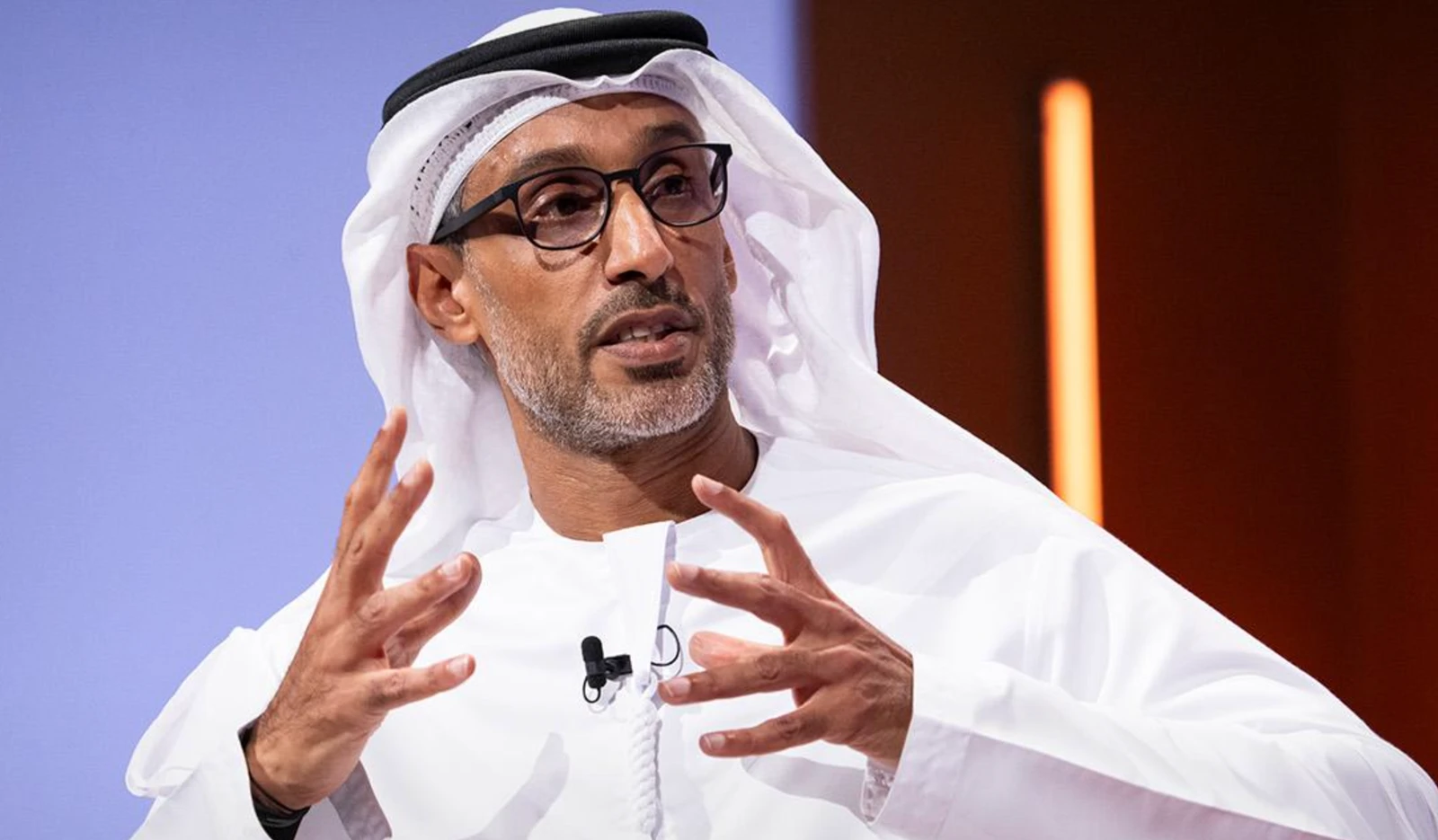
Dr. Khaled Manzlawi, deputy permanent representative of the mission of Saudi Arabia to the UN, told a high-level New York forum on the culture of peace that humanity continues to fight violence stemming from poverty, ignorance, disease and terrorism.
“The Israeli occupation continues its violent practices against the Palestinian people; the Myanmar authorities are practicing ethnic cleansing and official violence against the Muslim Rohingyas; Iran is exporting terrorism and the culture of violence to Lebanon, Yemen and other countries of the world; and Assad is practicing the worst violence against the Syrian people,” he said.
He said that the Kingdom is working to support humanitarian and relief work in various parts of the world. Its humanitarian contributions over the past 30 years have amounted to more than $115 billion.
The Kingdom seeks to consolidate the principle of dialogue and coexistence by contributing to the establishment of many regional and international institutions such as the King Abdullah bin Abdul Aziz International Center for Interreligious and Intercultural Dialogue, the UN Counter-Terrorism Center, the Global Center for Combating Extremist Ideology, King Salman Center for Global Peace and Intellectual Warfare Center.
Manzlawi said the culture of peace in Saudi Arabia was based on three basic pillars: Justice, development and protection of human rights.
“It cannot be compatible with poverty and lack of development, and peace is also worthless in the absence of human dignity and disregard for rights, especially the right to a decent living and the right to get rid of poverty, ignorance and disease,” he said.