- UN humanitarian chief Tom Fletcher tells council members of urgent need for donations to meet $4bn funding target for 2025
- The growing struggles of civilians in the West Bank must also not be ignored, he adds
NEW YORK CITY: The UN’s humanitarian chief on Thursday called for urgent action to protect children in Gaza and ensure their well-being amid the fragile ceasefire and ongoing humanitarian crisis in the territory.
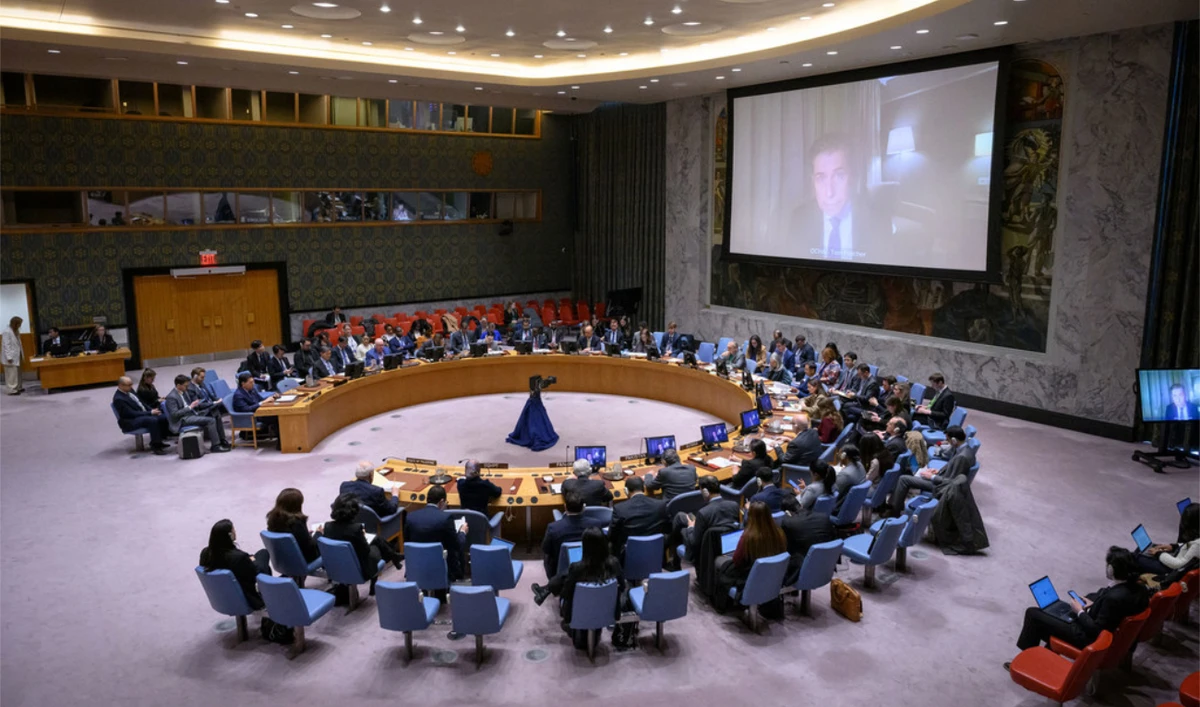
Speaking during a meeting of the Security Council to discuss “the plight of children in the Gaza Strip,” Tom Fletcher emphasized the scale of suffering among Palestinian youngsters there as he urged the international community to ensure the ceasefire agreement between Israel and Hamas holds, and to scale up deliveries of humanitarian aid.
Fletcher said the ceasefire deal, brokered by Egypt, Qatar and the US, has brought a temporary reprieve for civilians, and is allowing Israeli hostages and detained Palestinians to be reunited with their families.
The truce has also enabled a surge in the amount of life-saving humanitarian assistance entering Gaza, providing a glimmer of hope for the millions of residents suffering as a result of the conflict.
“We can save more lives if all parties continue to honor the deal,” Fletcher said, thanking the mediators for their tireless efforts to facilitate the agreement and address the operational challenges in its implementation.
The 15 months of war between Israel and Hamas in Gaza have taken a profound toll on the children in the territory, the suffering of whom reached catastrophic proportions during that time, he added.
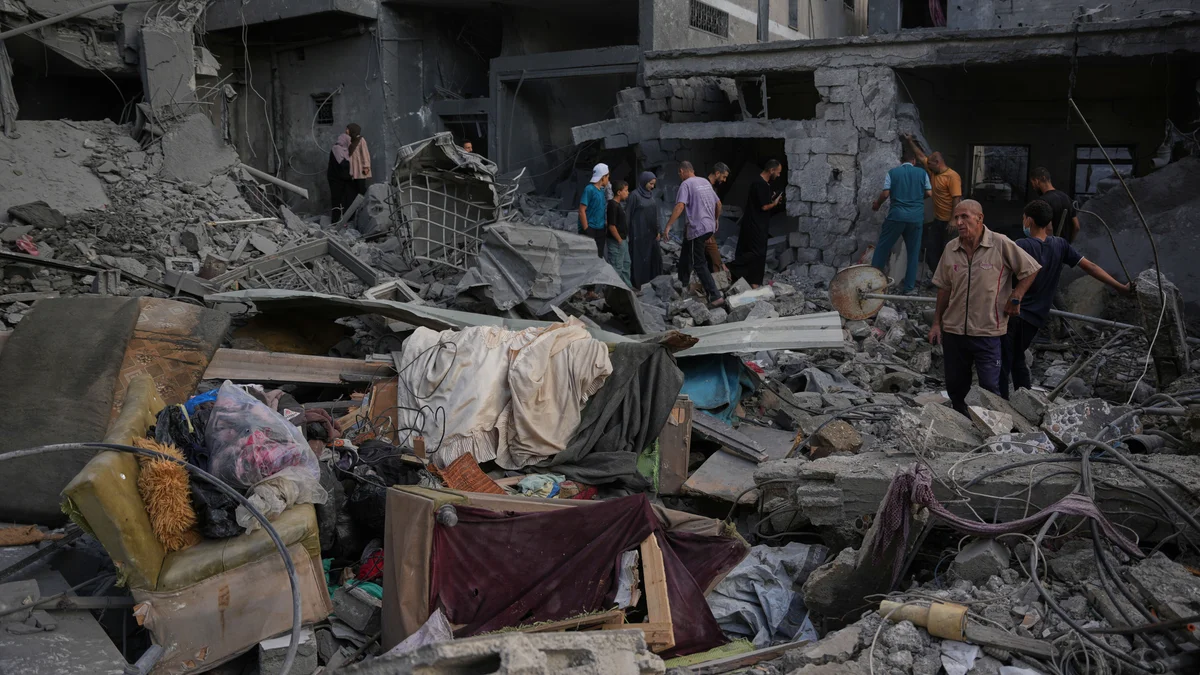
Fletcher painted a harrowing picture of the devastating effects of the conflict on the children of Gaza. Thousands lost their lives, an estimated 17,000 have been left without their families, and many more were injured or are suffering from malnutrition and psychological trauma.
He gave examples of the cruel conditions under which young people have been forced to lived, cited instances of unborn children perishing with their mothers, and detailed the desperate plight of more than 150,000 pregnant women and new mothers who are in urgent need of healthcare.
“The children of Gaza have been killed, starved, maimed, orphaned and separated from their families,” Fletcher said as he condemned the violence and deprivation. “A generation has been traumatized.”
Aside from the physical harm, children have endured deep psychological scars, with UNICEF estimating that 1 million youngsters are in need of mental health support for anxiety, depression and suicidal thoughts.
“Many have faced sexual violence,” Fletcher said. “Girls, who have endured the additional indignity of no access to menstrual care, have been left exposed and vulnerable.”
The war has had devastating effects on education as well, with schools destroyed and many children denied access to learning, he added.
But despite the overwhelming challenges, the international humanitarian community has made significant strides in the days since the ceasefire came into effect on Sunday, Fletcher said.
He highlighted the increased flow of aid into Gaza, including food, medical supplies and fuel, which has enabled critical services to resume or continue operating.
With the UN Relief and Works Agency at the forefront of the efforts, humanitarian agencies have scaled up their operations, delivering emergency shelter to protect people from the winter weather, food and life-saving medical care.
“We are getting supplies to designated emergency shelters and distribution centers across the Gaza Strip,” Fletcher said.
“We are delivering food parcels, distributing fuel to ensure that healthcare and water systems can function, and reopening bakeries to help meet basic nutritional needs.”
While these efforts are vital, Fletcher stressed that they will only be able continue with sustained funding and unimpeded access.
He appealed to UN member states to help replenish humanitarian stockpiles and called for greater involvement of the private sector to meet the needs of the 2 million residents of Gaza.
Fletcher stressed the urgent need for donations to help meet the $4.07 billion target of the UN’s 2025 Flash Appeal, to help address the needs of 3 million people in Gaza and the West Bank. Almost 90 percent of the total is needed for the humanitarian response in Gaza alone.
But while much of the international attention has focused on the Strip, Fletcher also warned the Security Council about the deteriorating situation in the West Bank, where violence and displacement have reached unprecedented levels since October 2023.
He described attacks by Israeli settlers on Palestinian villages, and ongoing military operations, particularly in Jenin, that have displaced thousands and caused significant damage to infrastructure.
“The situation in the West Bank must not be ignored,” Fletcher said. “We need to ensure that humanitarian aid and protection reach those in need, and that international law is respected.”
He once again urged council members to ensure the ceasefire holds, and that the flow of aid continues to those in need, in both Gaza and the West Bank. He called for the protection of Palestinian civilians, the release of all hostages and detainees, and unimpeded access for humanitarian workers.
“The children of Gaza are not collateral damage,” Fletcher said. “They are as deserving as children everywhere of security, education and hope. We must be there for them now, when they need us most.”