- Israel strike destroys another Gaza City high-rise: witnesses
- Israel has been expanding its forces, intensifying its bombardments and operating on the outskirts of Gaza City
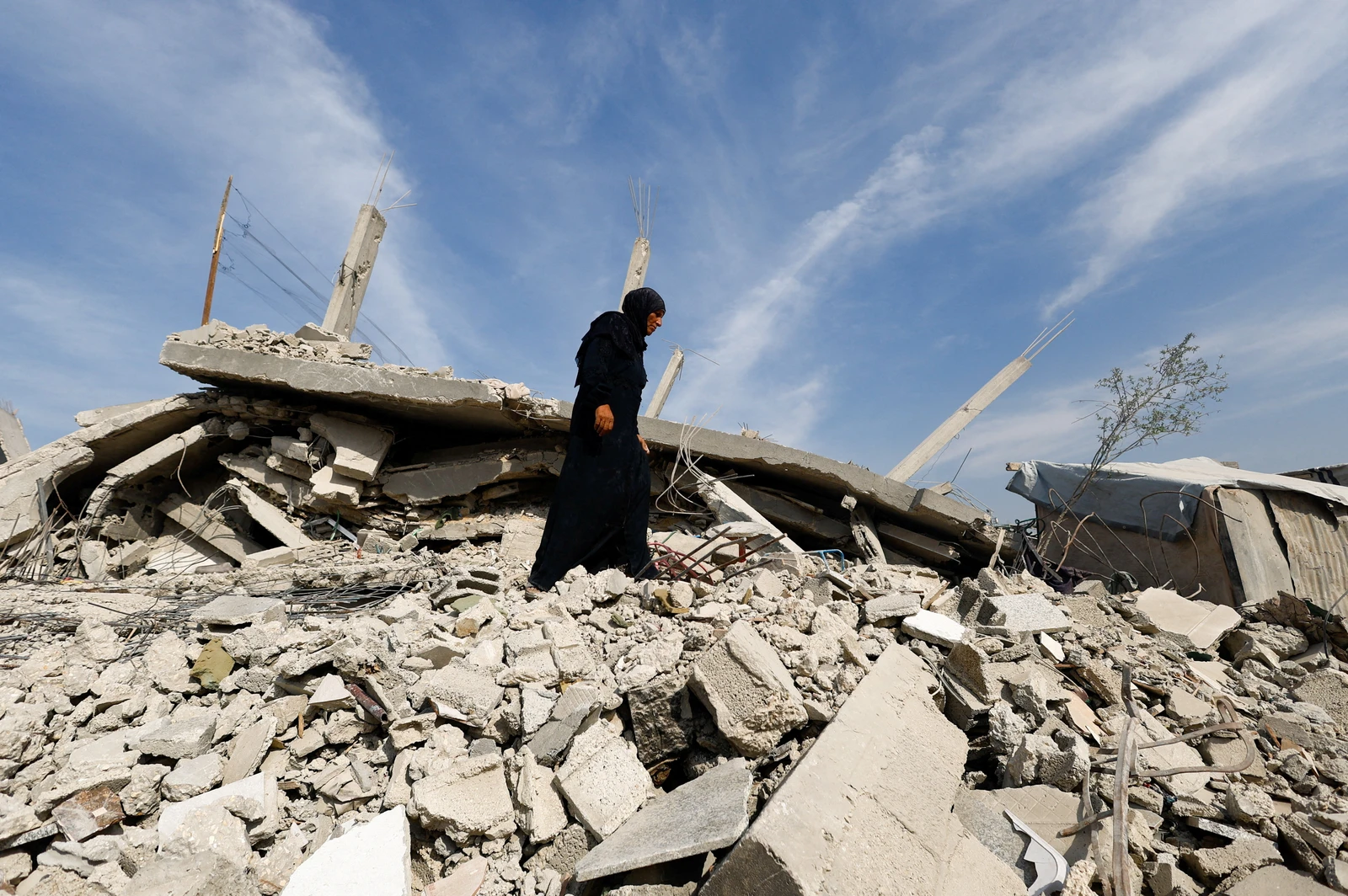
JERUSALEM: An Israeli strike on Saturday destroyed a second high-rise in Gaza City in as many days, witnesses reported.
“A short while ago, the IDF (Israeli military) struck a high-rise building that was used by the Hamas terrorist organization in the area of Gaza City,” a military statement said.
Witnesses identified the building as the Sussi Tower, with videos shared online showing the 15-story structure collapsing. Defense Minister Israel Katz wrote on X that “we’re continuing,” posting a clip of the tower being hit.
Israel has been expanding its forces, intensifying its bombardments and operating on the outskirts of Gaza City ever since announcing its plans to capture the Palestinian territory’s largest urban center after nearly two years of devastating war.
In a statement Friday, the military said it had “identified significant Hamas terrorist activity within a wide variety of infrastructure sites in Gaza City, and particularly in high-rise buildings.”
“In the coming days, the (Israeli military) will strike structures that have been converted into terrorist infrastructure in Gaza City: cameras, observation command centers, sniper and anti-tank firing positions, command-and-control compounds,” the statement said.
Less than an hour later, the army issued another statement announcing it had struck one such high-rise, adding Hamas had used it “to advance and execute attacks against (Israeli) troops in the area.”
An animated infographic accompanying the first statement showed a video camera on top of a tower block with a Hamas “observation command center” in the building and an “underground tunnel route” below.
The army said that before Friday’s strike, “precautionary measures were taken in order to mitigate harm to civilians,” including prior warnings.
“The news about Israel beginning to bomb towers and apartment buildings is terrifying. Everyone is scared and doesn’t know where to go,” said Ahmed Abu Wutfa, 45, who lives in his relatives’ partially destroyed fifth-floor apartment in western Gaza City.
“My children are terrified, and so am I. There is no safe place — we only hope that death comes quickly,” he told AFP by telephone.
Gaza’s civil defense agency said Israeli strikes killed 19 people on Friday in and around Gaza City, an area which the United Nations estimates is home to nearly one million people.
Israeli Defense Minister Israel Katz said in a statement on Friday that: “the bolt has now been removed from the gates of hell in Gaza.”
Humanitarian zone
The Israeli military said early on Saturday it was establishing a humanitarian zone in the Al-Mawasi area of Gaza’s Khan Younis, as it plans to expand military activities in the enclave.
The military said the area will include infrastructure such as field hospitals, water pipelines, desalination facilities, and food supplies. A spokesperson for the military called on Gaza residents to evacuate to the area.
Aid groups warn that a large-scale evacuation could worsen the humanitarian crisis.
Israeli forces have struck humanitarian areas throughout the war, including Muwasi, which they previously declared a safe zone, according to Gaza’s Health Ministry.