- Trump administration officials have argued that the UN’s budget and agencies are bloated and redundant, pledging not to make any further contributions until the State Department has assessed the effectiveness of every single UN agency or program
- Roughly 13,000 to 14,000 military and police personnel out of more than 50,000 peacekeepers deployed across nine global missions will be sent back to their home countries
The United Nations will begin slashing its peacekeeping force and operations, forcing thousands of soldiers in the next several months to evacuate far-flung global hotspots as a result of the latest US funding cuts to the world body, a senior UN official said.
The official, who spoke on the condition of anonymity to discuss a private meeting, briefed reporters Wednesday on the 25 percent reduction in peacekeepers worldwide as the United States, the largest UN donor, makes changes to align with President Donald Trump’s “America First” vision.
Roughly 13,000 to 14,000 military and police personnel out of more than 50,000 peacekeepers deployed across nine global missions will be sent back to their home countries. The UN support office in Somalia will also be affected. The UN plans to reduce the peacekeeping force’s budget by approximately 15 percent for this year.
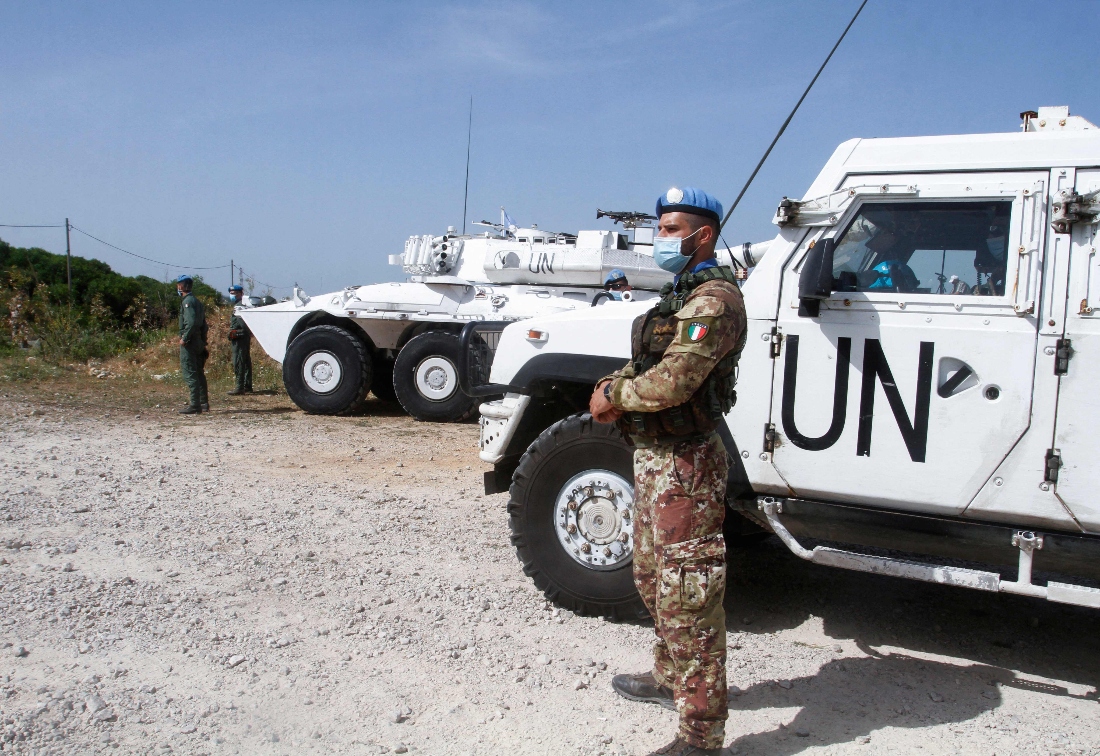
The countries where the UN has peacekeeping missions include Congo, the Central African Republic, South Sudan, Lebanon, Cyprus and Kosovo.
Each of the UN’s 193 member countries is legally obliged to pay its share toward peacekeeping. UN Secretary General Antonio Guterres has argued that with a budget “representing a tiny fraction of global military spending — around one half of one percent — UN peacekeeping remains one of the most effective and cost-effective tools to build international peace and security.”
The decision to institute a major overhaul of the peacekeeping force — known globally for their distinctive blue berets or helmets — followed a meeting Tuesday between Guterres and representatives from major donor countries, including Mike Waltz, the new US ambassador to the United Nations.
Waltz and other Trump administration officials have argued that the UN’s budget and agencies are bloated and redundant, pledging not to make any further contributions until the State Department has assessed the effectiveness of every single UN agency or program. Upon entering his second term in January, Trump ordered a review of the UN and other multilateral institutions, which has already resulted in cutting US ties from the UN cultural agency UNESCO, the World Health Organization and the top UN human rights body, while reassessing its funding for others.
At the UN, more than 60 offices, agencies and operations are facing 20 percent job cuts, part of Guterres’ reform effort and reaction to already announced Trump funding cuts.
In a television interview last week, Waltz said the US is focused on getting “the UN back to basics of promoting peace, enforcing peace, preventing wars.”
He added, “We have to cut out all of this other nonsense.”
UN peacekeeping operations have grown dramatically. At the end of the Cold War in the early 1990s, there were 11,000 UN peacekeepers. By 2014, there were 130,000 in 16 peacekeeping operations. Today, around 52,000 men and women serve in 11 conflict areas in Africa, Asia, Europe and the Middle East.
The US outlined that it would commit $680 million to nine of those peacekeeping efforts, a significant reduction from the $1 billion payment the US had made this time last year, the UN official said. That funding will be accessible for all active missions, especially those the US has taken special interest in, such as peacekeepers in Lebanon and the Democratic Republic of Congo.
Contributions from the US and China make up half of the UN’s peacekeeping budget. Another senior UN official, who also requested anonymity to discuss private talks, said China has indicated it will be paying its full contribution by the end of the year.