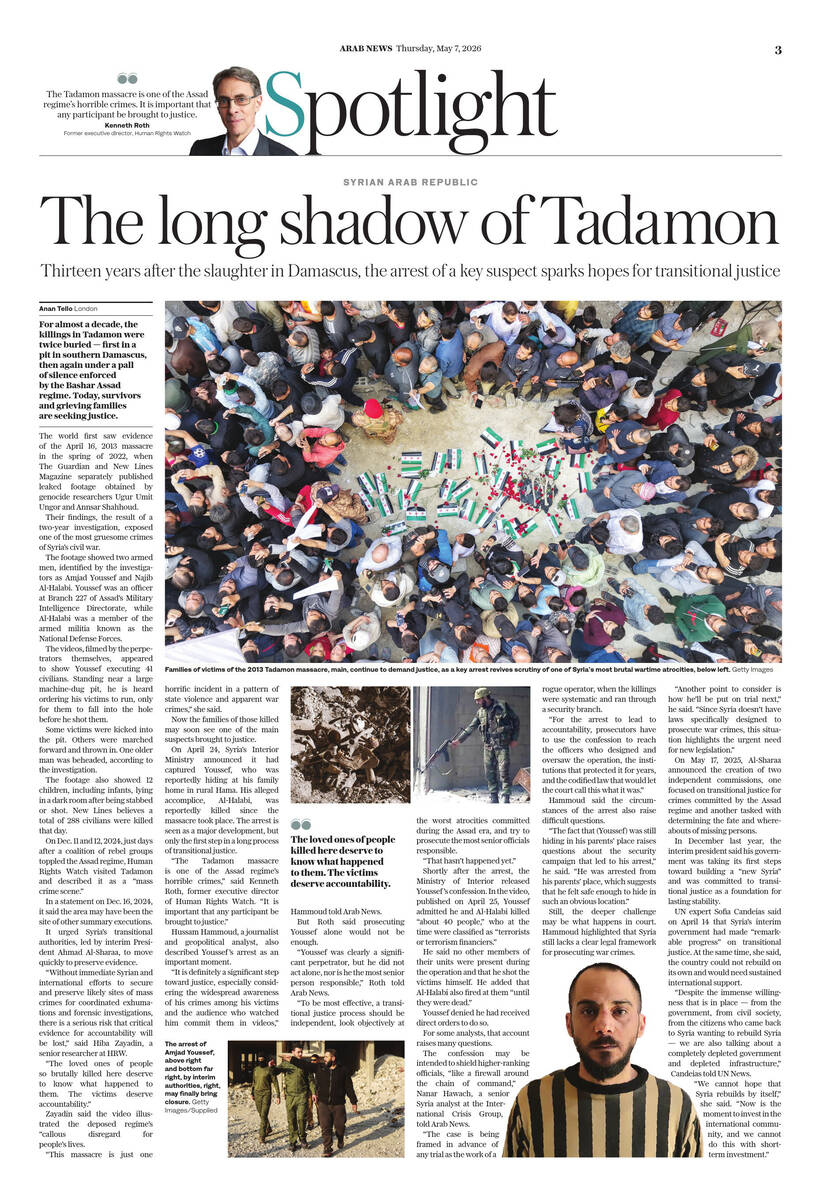
- Thirteen years after 41 Syrians were executed in Damascus, the capture of a suspect has revived calls for accountability
- While that arrest of Amjad Youssef is a significant development, analysts say transitional justice remains a difficult process
LONDON: For almost a decade, the killings in Tadamon were twice buried — first in a pit in southern Damascus, then again under a pall of silence enforced by the Bashar Assad regime. Today, survivors and grieving families are seeking justice, answers and, for some, closure.
The world first saw evidence of the April 16, 2013 massacre in the spring of 2022, when The Guardian and New Lines Magazine separately published leaked footage obtained by genocide researchers Ugur Umit Ungor and Annsar Shahhoud.
Their findings, the result of a two-year investigation, exposed one of the most gruesome crimes of Syria’s civil war.
The footage showed two armed men, identified by the investigators as Amjad Youssef and Najib Al-Halabi. Youssef was an officer at Branch 227 of Assad’s Military Intelligence Directorate, while Al-Halabi was a member of the armed militia known as the National Defense Forces.
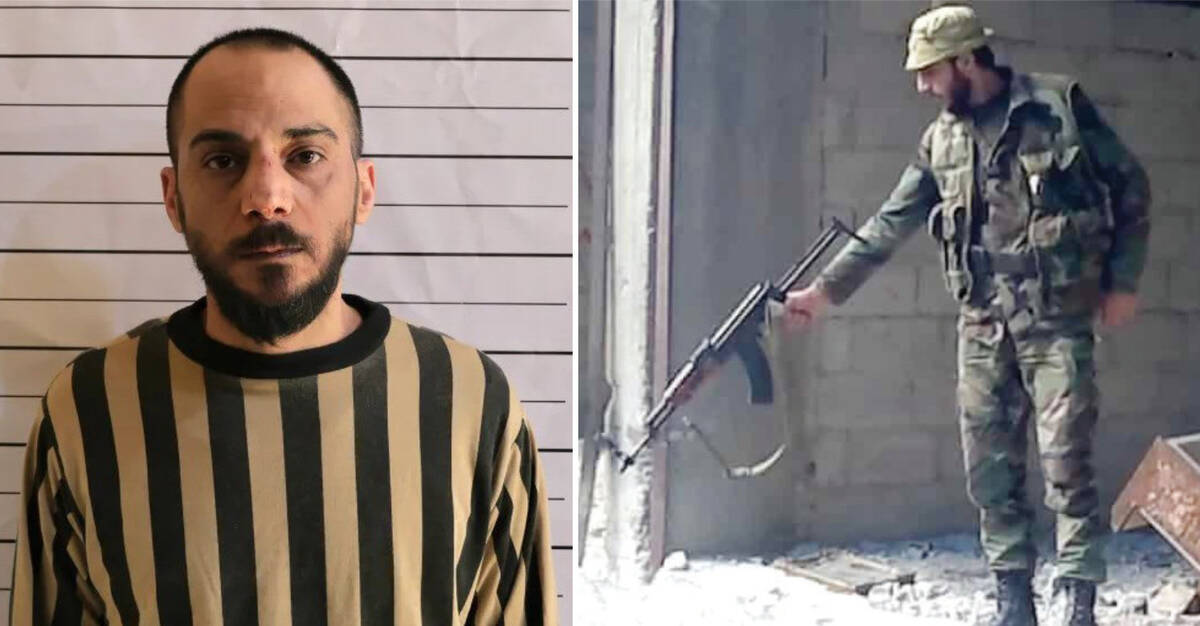
In the video, they appear to take part in the execution of 41 people in broad daylight.
The videos, filmed by the perpetrators themselves, appeared to show Youssef executing blindfolded and zip-tied civilians in a bombed-out section of Tadamon.
Standing near a large machine-dug pit that served as a mass grave, he is heard ordering his unsuspecting victims to run, only for them to fall into the hole before he shot them with an assault rifle.
Some victims were kicked into the pit. Others were marched forward and thrown in. One older man was beheaded, according to the investigation.
Most of the victims died in silence. A few begged or wept. One pleaded, “For the sake of Imam Ali,” but Youssef cursed at him and continued.
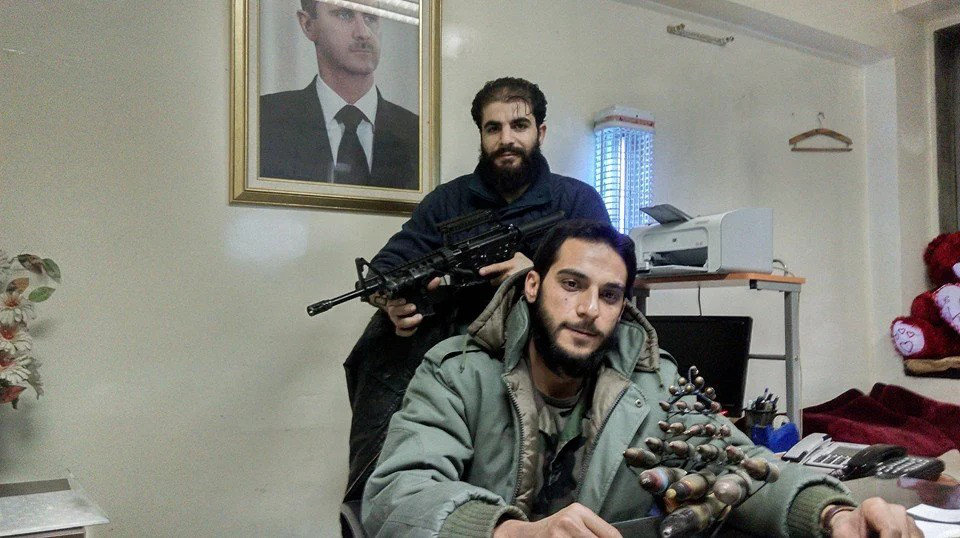
The victims included seven women, whom Youssef also insulted. According to New Lines, most of those executed were Sunni Muslims, although some may have been Ismailis, members of a minority offshoot of Shiite Islam.
The footage also showed 12 dead children, including infants, lying in a dark room after being stabbed or shot. New Lines believes a total of 288 civilians were killed that day.
Years later, Tadamon remains central to efforts to document and prosecute crimes committed during the Syrian civil war.
On Dec. 11 and 12, 2024, just days after a coalition of rebel groups toppled the Assad regime, Human Rights Watch visited Tadamon and described it as a “mass crime scene.”
ALSO READ: Tadamon massacre exposé lifts veil of secrecy over Syrian war atrocities
In a statement on Dec. 16, 2024, the rights monitor said the area may also have been the site of other summary executions.
It urged Syria’s transitional authorities, led by interim President Ahmad Al-Sharaa, to move quickly to secure and preserve evidence of crimes committed by members of the former regime.
“Without immediate Syrian and international efforts to secure and preserve likely sites of mass crimes for coordinated exhumations and forensic investigations, there is a serious risk that critical evidence for accountability will be lost,” said Hiba Zayadin, a senior researcher at HRW.
“The loved ones of people so brutally killed here deserve to know what happened to them. The victims deserve accountability.”
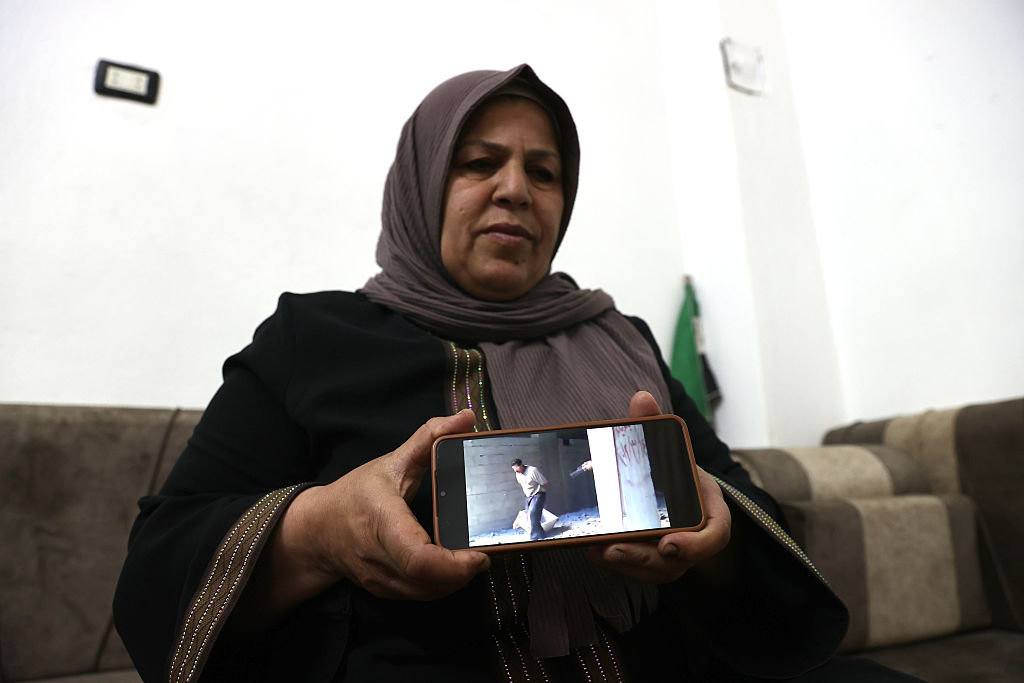
Zayadin said the video, filmed by perpetrators who “laughed as they killed their victims,” illustrated the deposed regime’s “callous disregard for people’s lives.
“This massacre is just one horrific incident in a pattern of state violence and apparent war crimes,” she said.
Now the families of those killed may soon see one of the main suspects brought to justice.
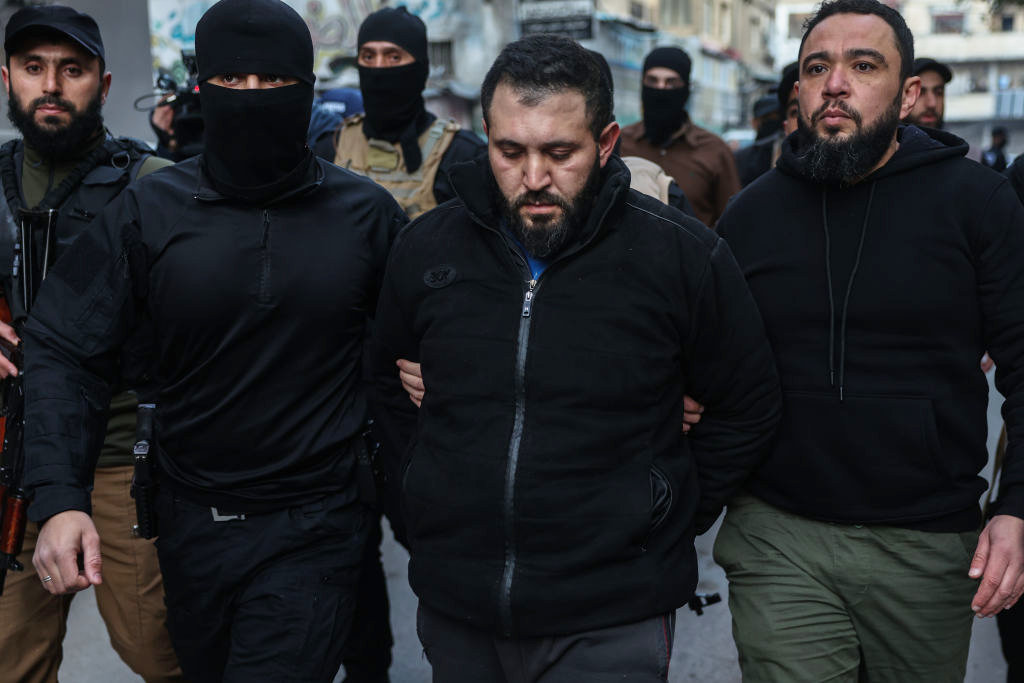
On April 24, Syria’s Interior Ministry announced it had captured Youssef, who was reportedly hiding at his family home in the village of Nabe Al-Tayeb in the Ghab Plain in rural Hama. His alleged accomplice, Al-Halabi, had reportedly been killed since the massacre took place.
The arrest of the “Butcher of Tadamon” is seen as a major development in the investigation into one of the worst documented atrocities of the war. Even so, analysts say it is only the first step in a long process of transitional justice.
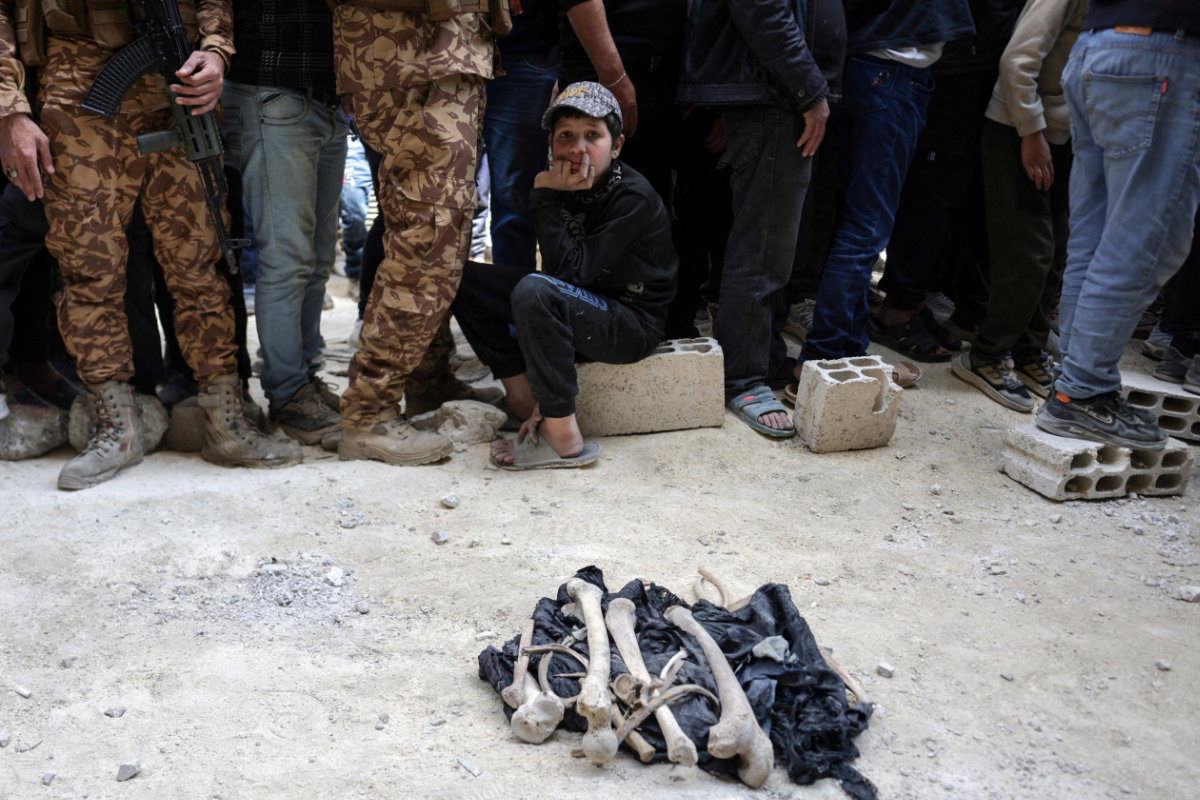
“The Tadamon massacre is one of the Assad regime’s horrible crimes,” said Kenneth Roth, former executive director of Human Rights Watch. “It is important that any participant be brought to justice.”
Hussam Hammoud, a journalist and geopolitical analyst, also described Youssef’s arrest as an important moment, particularly given the public nature of the crime.
“It is definitely a significant step towards justice, especially considering the widespread awareness of his crimes among his victims and the audience who watched him commit them in videos,” Hammoud told Arab News.
But Roth said prosecuting Youssef alone would not be enough.
“Amjad Youssef was clearly a significant perpetrator, but he did not act alone, nor is he the most senior person responsible,” Roth told Arab News.
“To be most effective, a transitional justice process should be independent, look objectively at the worst atrocities committed during the Assad era, and try to prosecute the most senior officials responsible.
“That hasn’t happened yet.”
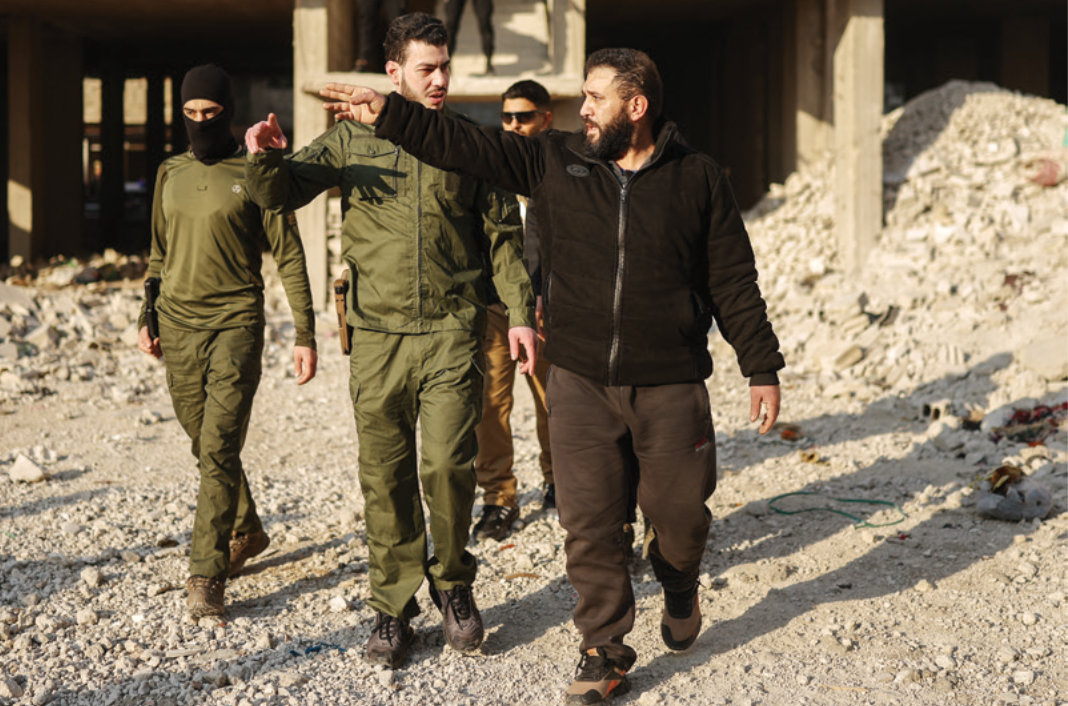
Shortly after the arrest, the Ministry of Interior released recorded confessions by Youssef, a former senior warrant officer in Branch 227.
In the video, published on April 25, Youssef admitted that he and National Defense member Al-Halabi took part in killing “about 40 people,” who at the time were classified as “terrorists or terrorism financiers.”
He said no other members were present during the operation and that he shot the victims himself, sometimes after lowering them into a pit and sometimes beforehand. He added that Al-Halabi also fired at them “until they were dead.”
Asked about his responsibility, Youssef said he made the decision himself, denying that he had received direct orders from officers or military commanders.
For some analysts, that account raises many questions.
Nanar Hawach, a senior Syria analyst at the International Crisis Group, said the filmed confession may shield higher-ranking officials by deflecting scrutiny from those above Youssef in the military or intelligence hierarchy.
“Youssef’s filmed confession, in which he insists he received no orders, works like a firewall around the chain of command,” Hawach told Arab News.
“The case is being framed in advance of any trial as the work of a rogue operator, when the killings were systematic and ran through a security branch.
“For the arrest to lead to accountability, prosecutors have to use the confession to reach the officers who designed and oversaw the operation, the institutions that protected it for years, and the codified law that would let the court call this what it was.
“Without that, Youssef is a face placed in front of a system that escapes examination,” Hawach added, referring to the “Assad-era security apparatus that designed, ordered, and protected operations like Tadamon.”
Hammoud said the circumstances of the arrest also raise difficult questions.
“The fact that (Youssef) was still hiding in his parents’ place raises questions about the security campaign that led to his arrest,” he said. “He was arrested from his parents’ place, which suggests that he felt safe enough to hide in such an obvious location.”
Still, the deeper challenge may be what happens in court. Hammoud highlighted that Syria still lacks a clear legal framework for prosecuting war crimes.
“Another point to consider is how he’ll be put on trial next,” he said. “Since Syria doesn’t have laws specifically designed to prosecute war crimes, this situation highlights the urgent need for new legislation.
“While the only legislative authority in Syria, the parliament, remains unready to enact such laws, the Ministry of Justice must provide transparency by explaining the urgent legal framework that will be followed in Amjad’s and others’ cases. There’s a legislative dilemma in the country.”
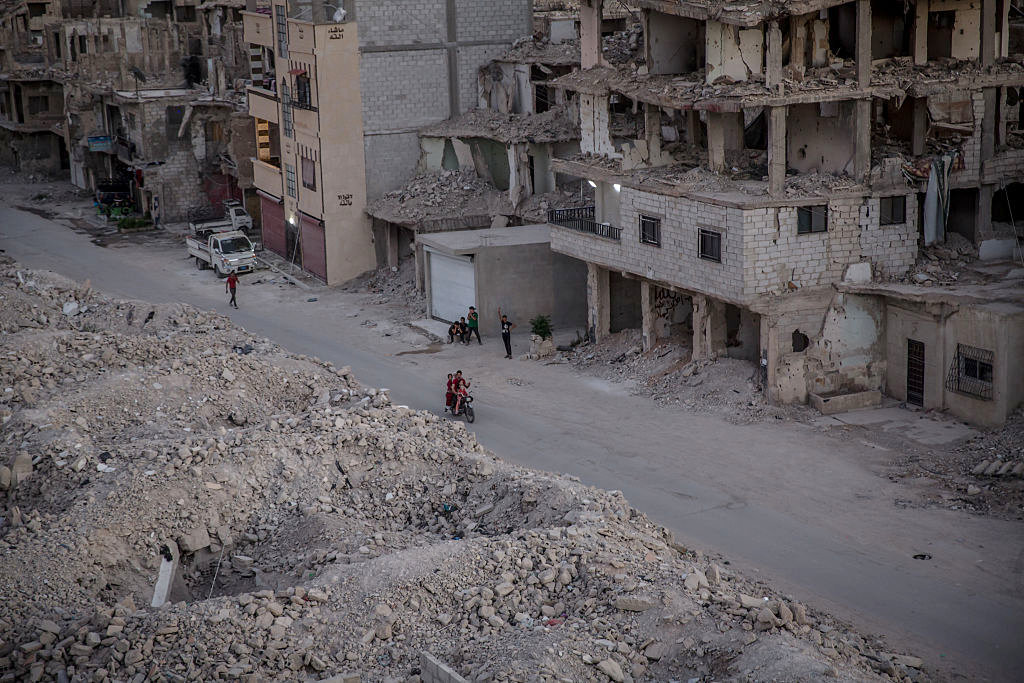
Syria entered a transitional period after Assad’s regime collapsed on Dec. 8, 2024, when opposition forces led by Hayat Tahrir Al-Sham took Damascus, and Assad fled to Russia.
A caretaker administration assumed state functions, and on Jan. 29, 2025, Al-Sharaa was formally appointed transitional president.
In March 2025, Syria’s new authorities moved to a more formal transition. Al-Sharaa created a committee to draft a constitutional declaration, signed that declaration on March 13, establishing a five-year transitional period, and later announced a full transitional cabinet on March 29.
On May 17, 2025, Al-Sharaa announced the creation of two independent commissions, one focused on transitional justice for crimes committed by the Assad regime and another tasked with determining the fate and whereabouts of missing persons.
In December last year, the interim president said his government was taking its first steps toward building a “new Syria” and was committed to transitional justice as a foundation for lasting stability.
“We affirm our commitment to the principle of transitional justice to hold accountable everyone who violated the law and committed crimes against the Syrian people, while preserving victims’ rights and achieving justice,” he said on the first anniversary of Assad’s fall.
Even so, rights advocates say political promises must be matched by institutions capable of delivering justice.
“One measure of the new Syrian government’s commitment to justice is whether it joins the International Criminal Court and gives it retroactive jurisdiction,” Roth said.
“The Syrian justice system needs to be rebuilt after Assad, so it isn’t capable of pursuing justice on its own.
“But the new authorities haven’t joined the ICC because they fear that senior officials in the current government might be prosecuted for crimes committed when they led the (Hayat Tahrir Al-Sham) rebels in Idlib.
“I doubt that would be a major focus of ICC prosecutors, given the horrendous nature of the Assad regime’s atrocities, but it seems to be limiting the new government’s willingness to join the ICC.”
Others see momentum, even amid those shortcomings.
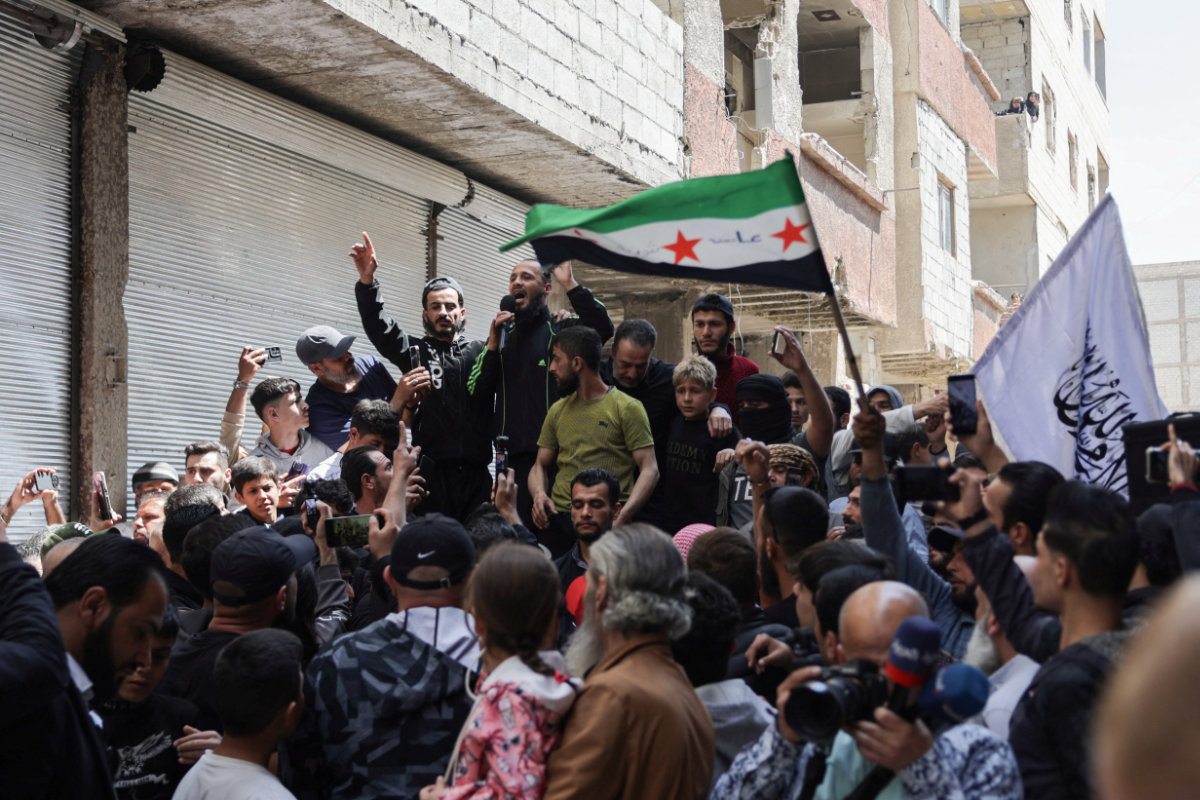
UN expert Sofia Candeias said on April 14 that Syria’s interim government had made “remarkable progress” on transitional justice. At the same time, she said, the country could not rebuild on its own and would need sustained international support.
“After one year, Syria has moved in transitional justice more than the majority of countries that go through transitional justice processes,” Candeias told UN News.
Still, she said the weakness of state institutions after 14 years of conflict remains a serious obstacle.
“Despite the immense willingness that is in place — from the government, from civil society, from the citizens who came back to Syria wanting to rebuild Syria — we are also talking about a completely depleted government and depleted infrastructure,” she said.
Candeias said Syria would need long-term international backing to rebuild the architecture of the rule of law.
“We cannot hope that Syria rebuilds by itself,” she said. “Now is the moment to invest in the international community, and we cannot do this with short-term investment.”
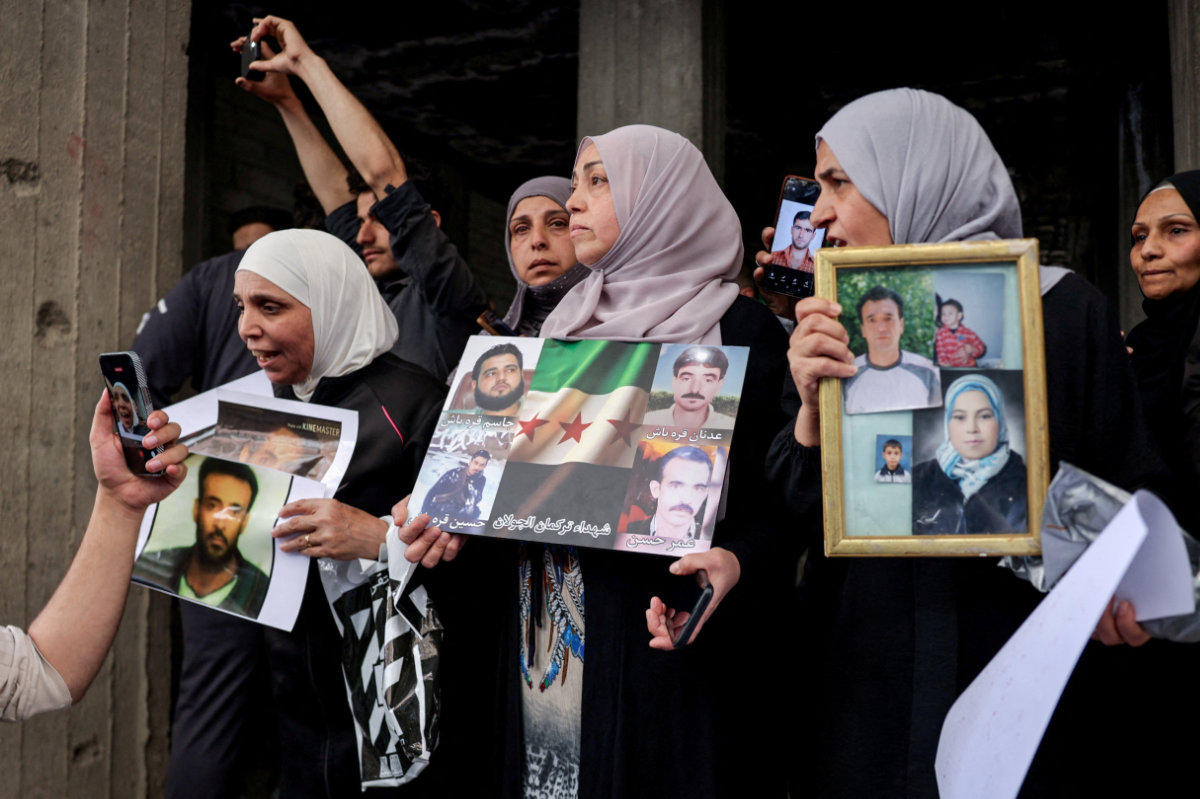
She stressed that “transitional justice and the rule of law take decades to be pursued.
“We need long-term investment that focuses on the rule of law,” she said. “We need to rebuild the judiciary. We need more specialized services for victims and survivors of conflict-related sexual violence.
“We need a holistic response which integrates all the different services that they need. And we need to rebuild the architecture of the rule of law.
“That’s why the international community needs to act now for the long term, so (that) we see this investment and a new Syria being rebuilt. It’s a moment of hope.”
For now, however, hope exists alongside grief.
The war’s greatest victims have been civilians, and many of those killed in Tadamon were denied not only their lives, but probably also any explanation for why they were marked out for death or why their final moments were so brutal.