- C02 growth rates have now tripled since the 1960s, and reached levels not seen in at least 800,000 years
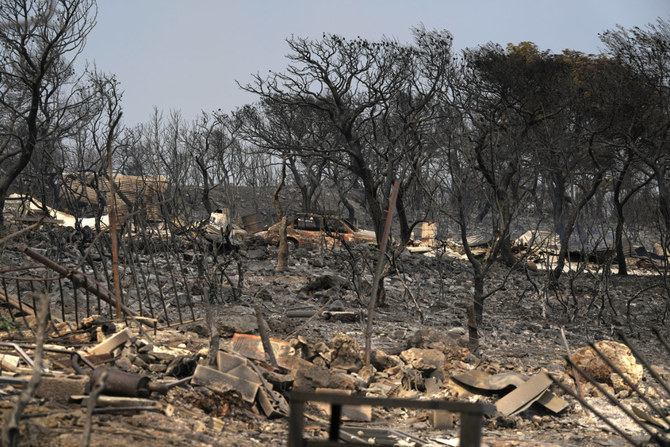
- Emissions from burning coal, oil and gas, alongside more wildfires, have helped fan a “vicious climate cycle,” the WMO report said
GENEVA: Heat-trapping carbon dioxide levels in the atmosphere jumped by the highest amount on record last year, soaring to a level not seen in human civilization and “turbo-charging” the Earth’s climate and causing more extreme weather, the United Nations weather agency said Wednesday.
The World Meteorological Organization said in its latest bulletin on greenhouse gases, an annual study released ahead of the UN’s annual climate conference, that C02 growth rates have now tripled since the 1960s, and reached levels not seen in at least 800,000 years.
Emissions from burning coal, oil and gas, alongside more wildfires, have helped fan a “vicious climate cycle,” and people and industries continue to spew heat-trapping gases while the planet’s oceans and forests lose their ability to absorb them, the WMO report said.
The Geneva-based agency said the increase in the global average concentration of carbon dioxide from 2023 to 2024 amounted to the highest annual level of any one-year span since measurements began in 1957. Growth rates of CO2 have accelerated from an annual average increase of 2.4 parts per million per year in the decade from 2011 to 2020, to 3.5 ppm from 2023 to 2024, WMO said.
“The heat trapped by CO2 and other greenhouse gases is turbo-charging our climate and leading to more extreme weather,” said WMO Deputy Secretary-General Ko Barrett in a statement. “Reducing emissions is therefore essential not just for our climate but also for our economic security and community well-being.”
Climate Analytics CEO Bill Hare called the new data “alarming and worrying.”
Even though fossil fuel emissions were “relatively flat” last year, he said, the report appeared to show an accelerating increase of CO2 in the atmosphere, “signaling a positive feedback from burning forests and warming oceans driven by record global temperatures.”
“Let there be no mistake, this is a very clear warning sign that the world is heading into an extremely dangerous state — and this is driven by the continued expansion of fossil fuel development, globally,” Hare said. “I’m beginning to feel that this points to a slow-moving climate catastrophe unfolding in front of us.”
WMO called on policymakers to take more steps to help reduce emissions.
While several governments have been pushing for further use of hydrocarbons like coal, oil and gas for energy production, some businesses and local governments have been mobilizing to fight global warming.
Still, Hare said very few countries have made new climate commitments to come “anywhere near dealing with the gravity of the climate crisis.”
The increase in 2024 is setting the planet on track for more long-term temperature increase, WMO said. It noted that concentrations of methane and nitrous oxide — other greenhouse gases caused by human activity — have also hit record levels.
The report was bound to raise new doubts on the world’s ability to hit the goal laid out in the 2015 Paris climate accord of keeping the global average temperature increase to 1.5 degrees Celsius (2.7 degrees Fahrenheit) above pre-industrial times.
United Nations climate chief, Simon Stiell, has said the Earth is now on track for 3 degrees Celsius (5.4 Fahrenheit).