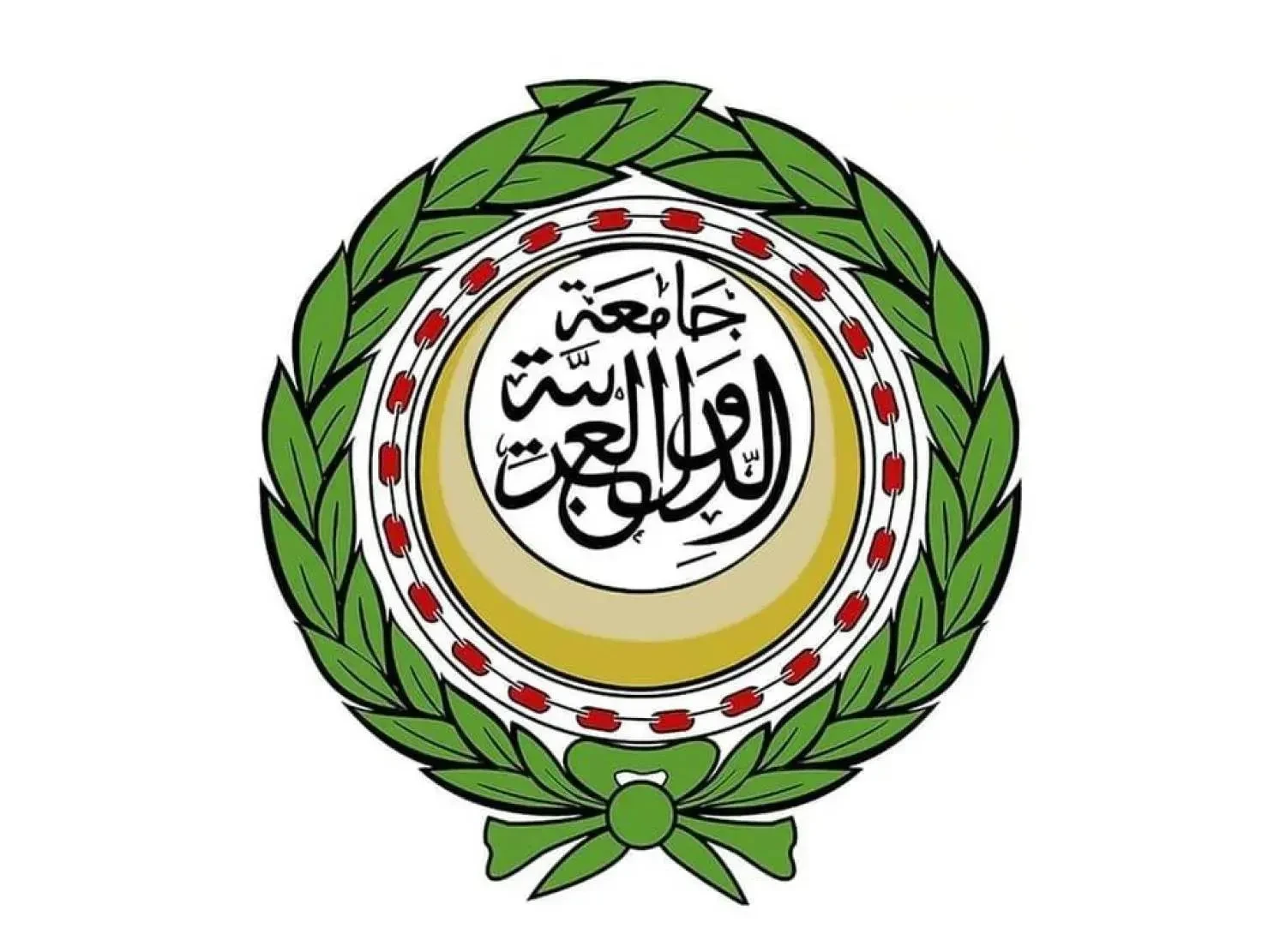
- As the Rapid Support Forces tighten their grip on El-Fasher, the militia faces mounting accusations of atrocities
- Despite talk of accountability, experts say there is little sign that Sudan’s factions are seriously addressing war crimes
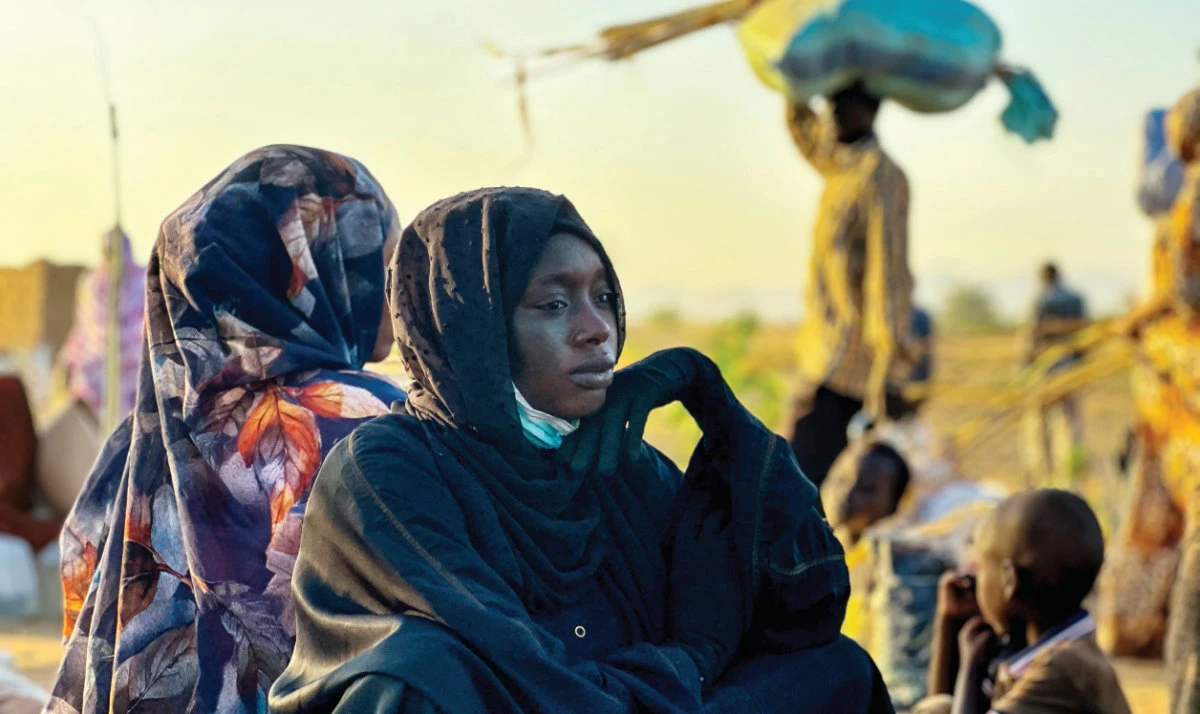
LONDON: His name — or, at least, his nom de guerre — is Issa Abu Lulu.
Reportedly a senior officer in the Rapid Support Forces, now locked in a vicious civil war with the Sudanese Armed Forces, Abu Lulu has been named the “star” of several distressing videos circulating on social media over the past week.
In at least two clips, filmed after the RSF’s recent takeover of the city of El-Fasher in western Sudan, he appears to shoot unarmed prisoners at point-blank range.
It is not the first time Abu Lulu has allowed himself to be filmed attacking helpless captives.
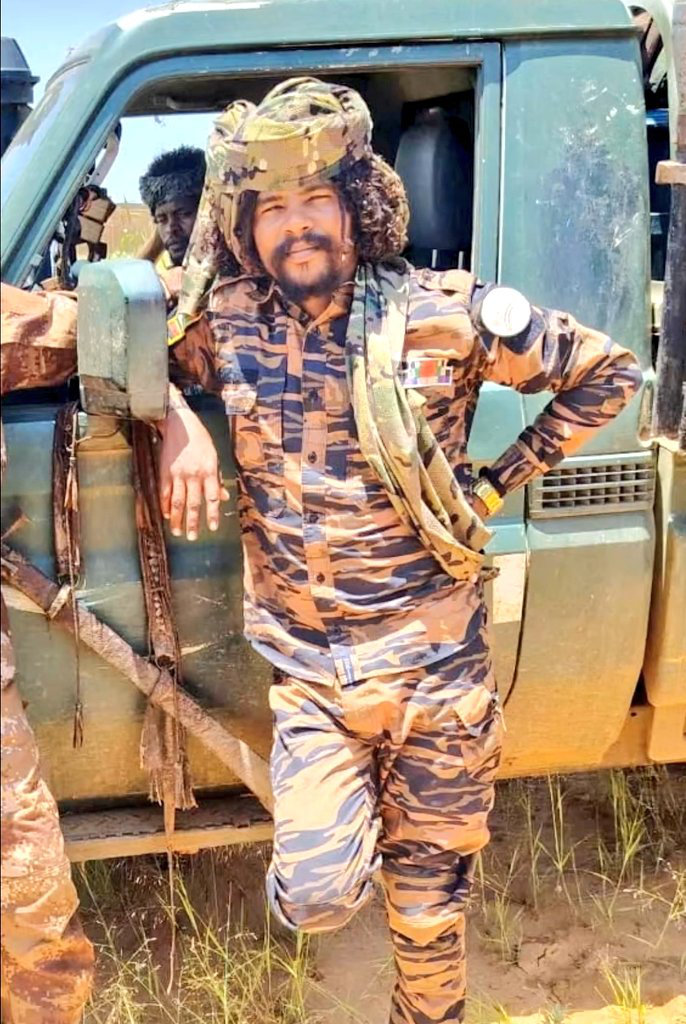
On Aug. 18, during an earlier RSF assault on El-Fasher, footage surfaced of him interrogating a civilian.
A transcript published by Sudans Post, which describes itself as “an independent, young, grassroots news media organization,” identified Abu Lulu as Brig. Gen. Al-Fatih Abdallah Idris, an RSF officer.
In the video, Abu Lulu reportedly asks the man, who says he is a restaurant owner, to reveal the whereabouts of the leader of an enemy infantry division.
In a translation by Sudans Post, Abu Lulu warns him to “talk straight,” adding: “I swear to God I don’t talk much, and I don’t spare people. Since God established the Rapid Support (Forces), I have never spared anyone — not a prisoner, not anyone.”
The terrified man insists he knows nothing.
When asked about his tribal background, he replies that he is Maba — a non-Arab Sunni Muslim group also known as the Borgo. Without hesitation, Abu Lulu draws his handgun and seems to shoot him dead.
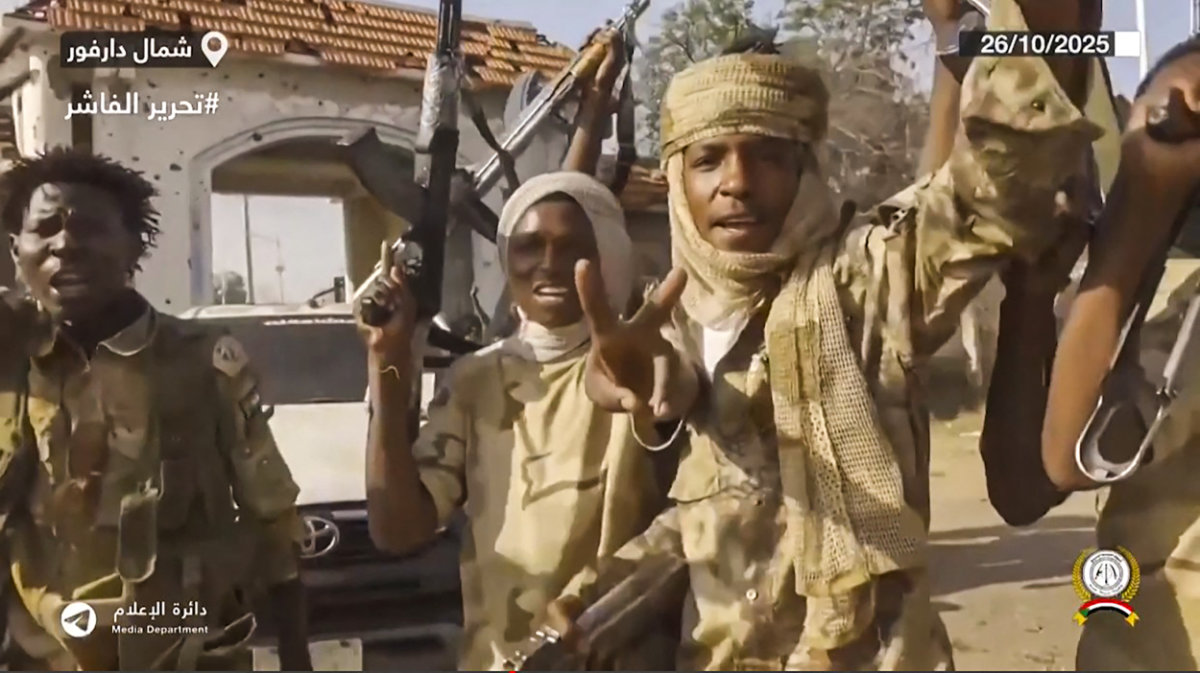
When this footage emerged in August, the RSF said it would investigate, promising that “if it is proven that the perpetrator is indeed a member of our ranks, he will be held accountable without delay.”
There is no evidence that such an investigation ever materialized. Abu Lulu was not held accountable — and in recent days, he has again appeared on camera reveling in the murder of unarmed captives.
His case, while egregious, is far from unique.
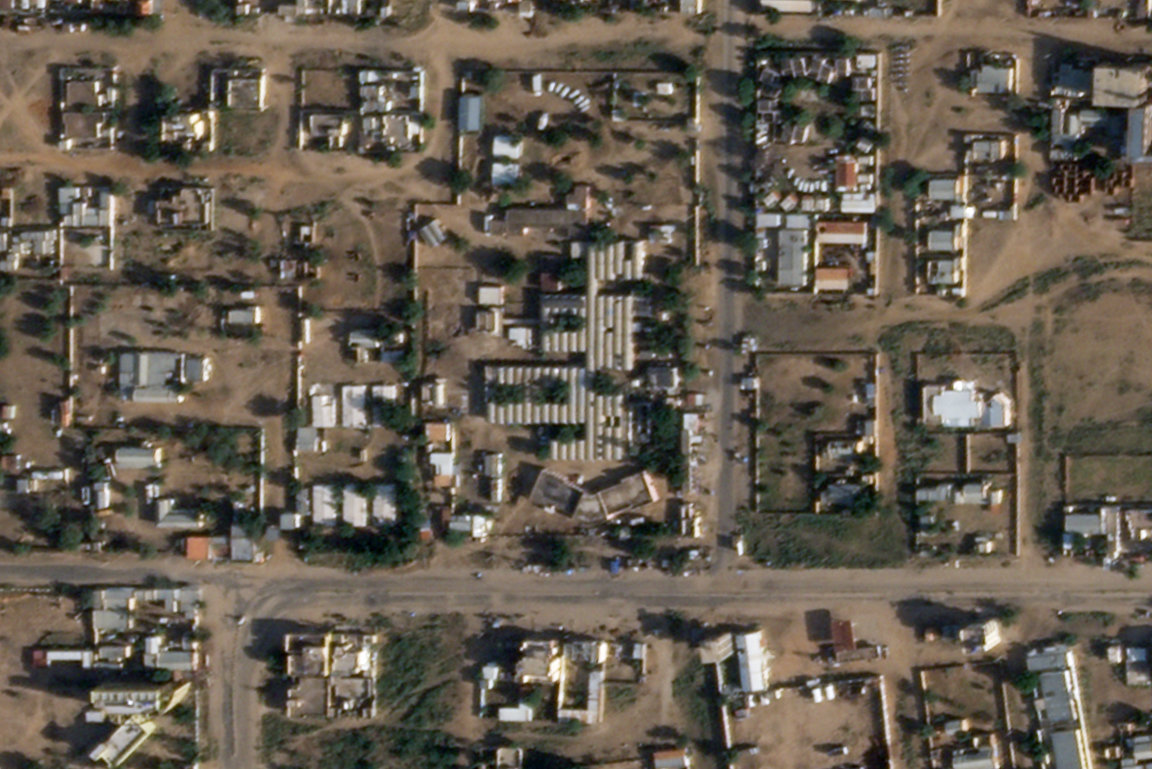
On Oct. 29, the World Health Organization condemned the killing of at least 460 patients and relatives at the Saudi Maternity Hospital in El-Fasher, reportedly by RSF fighters, along with the abduction of six health workers — four doctors, a nurse and a pharmacist.
Brazen actions attributed to Abu Lulu underscore how far the RSF has fallen from any semblance of military discipline.
Since gaining independence in 1956 after nearly six decades of joint Anglo-Egyptian rule, Sudan has been plagued by coups and bloodshed as competing factions vie for power.
At times, the sheer scale of suffering has momentarily pierced global indifference toward the country — home to more than 50 million people, bordered by seven nations and the Red Sea to the east.
One such moment came during the Darfur conflict, when government-backed forces targeted non-Arab populations in the western region.
That war, which erupted in 2003 and lingered for 16 years, killed as many as 300,000 people through violence and starvation.
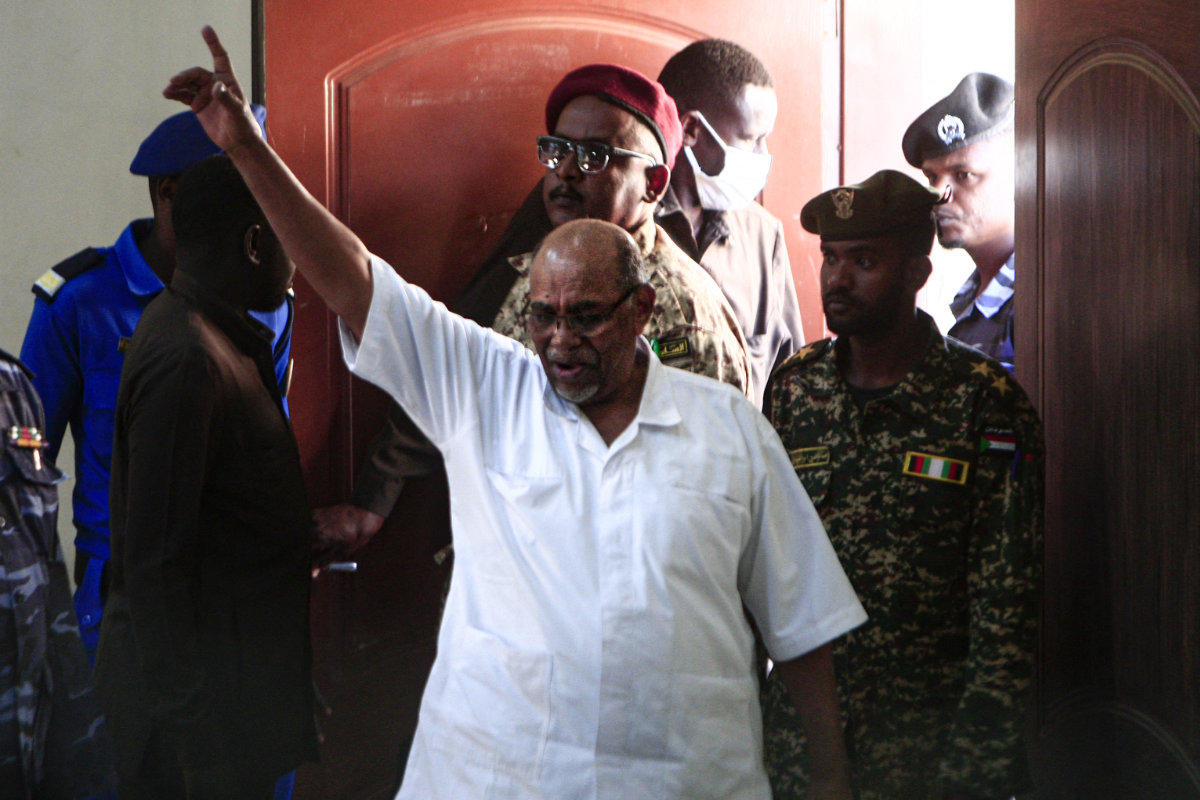
It also triggered an investigation by the International Criminal Court, which issued arrest warrants for Omar Bashir, the ousted Sudan president, and several others on charges of war crimes.
Bashir was ousted by the Sudanese Armed Forces in 2019 and later jailed on corruption charges. He is believed to be in a hospital in northern Sudan, and the government has refused ICC requests to extradite him.
The architects of Darfur’s atrocities are not aligned with the RSF. The military remains dominated by figures from Bashir’s former regime.
However, only one ICC suspect has ever faced justice.
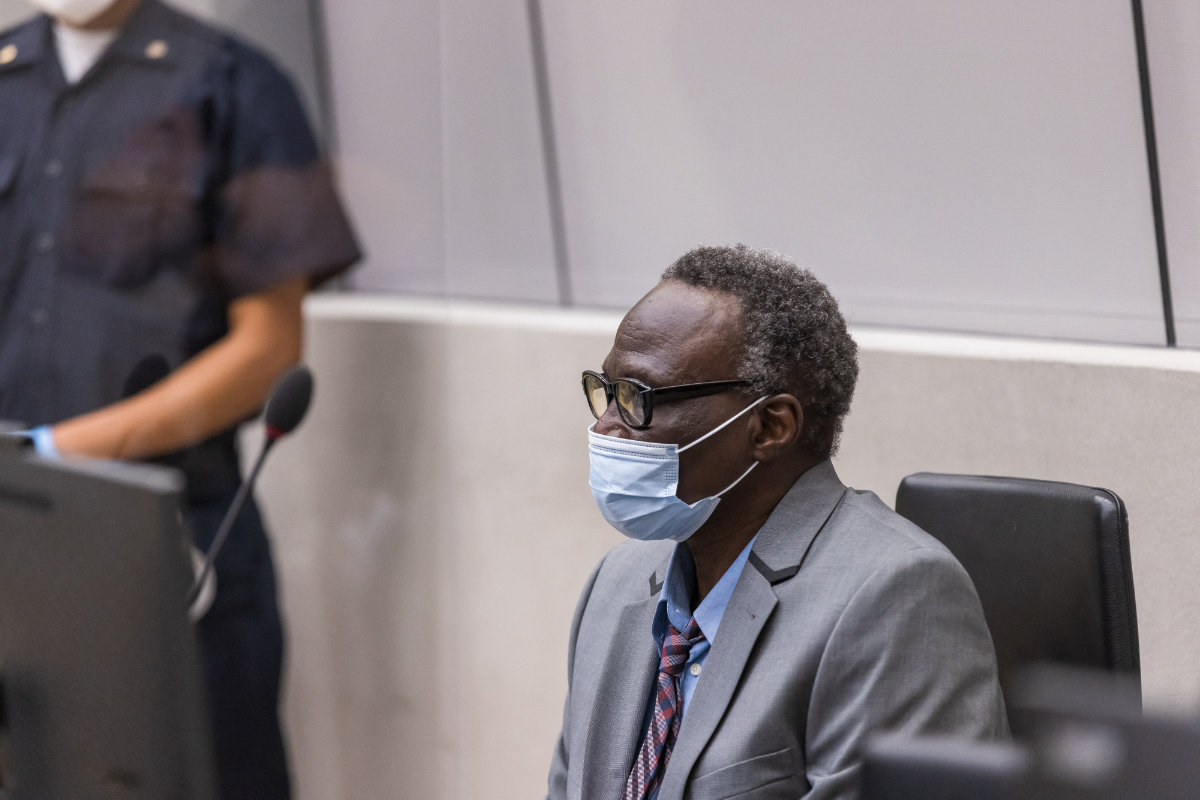
In June 2020, Ali Muhammad Ali Abd-Al-Rahman, commonly known as Ali Kushayb, surrendered in the Central African Republic. He was accused of 31 counts of war crimes and crimes against humanity in Darfur.
Transferred to The Hague, he was convicted on 27 counts in October. A sentencing date has yet to be set.
Abd-Al-Rahman’s conviction revived scrutiny of the RSF’s origins.
When the ICC warrants were first issued, Abd-Al-Rahman was a leader of the Janjaweed — the Arab militias that waged a campaign of rape, murder, looting and village destruction in Darfur.
By 2013, those militias were reorganized and rebranded by the Bashir government as the RSF.
“The RSF has been referred to as an offshoot, an evolution, or rebranding of the Janjaweed militias that were operating in the 2000s in Darfur,” said Michael Jones, a senior research fellow at the Royal United Services Institute in London.
“It features many of the same constituent parts, although RSF recruitment has expanded beyond the conventional confines of the Janjaweed,” Jones told Arab News. “It has much more sophisticated capabilities and far greater military, political and financial resources than previous militia groups.”
Ironically, the force that Bashir once used as a tool of repression in Darfur has now turned against his former army.
IN NUMBERS:
• 1,500+ Sudanese killed in El-Fasher violence over three days.
• 460 Patients and companions slain at Saudi Hospital on Oct. 28.
(Source: Sudan Doctors Network, WHO)
In 2013, even under nominal government oversight, the RSF wasted no time demonstrating its taste for humanitarian crimes.
In September 2015, Human Rights Watch detailed RSF abuses in a report titled “Men With No Mercy.” Based on interviews with 151 survivors who had fled to Chad and South Sudan, the organization accused the RSF and other Sudanese forces of “serious violations of international human rights and humanitarian law” in Darfur.
The report cited “a wide range of horrific abuses, including the forced displacement of entire communities; the destruction of wells, food stores and other infrastructure necessary for sustaining life in a harsh desert environment; and the plunder of the collective wealth of families, such as livestock.
“Among the most egregious abuses against civilians were torture, extrajudicial killings and mass rapes,” it added.
The current conflict erupted in April 2023, when the RSF resisted efforts to integrate into the Sudanese Armed Forces.
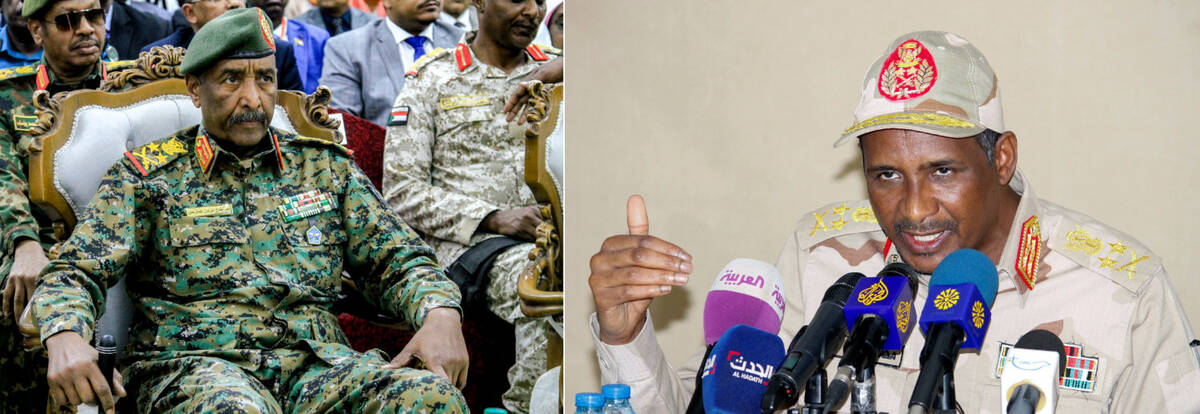
The clash became a personal power struggle between two former allies — Gen. Abdel Fattah Al-Burhan, head of the army and Sudan’s de facto leader, and Gen. Mohamed Hamdan Dagalo, widely known as Hemedti, who commands the RSF.
“The RSF leadership wanted to ensure the paramilitary group’s survival, and by extension their own financial and commercial interests,” Jones said. “So, they pushed back against the proposed integration of the RSF into a single national military force, which would have risked diluting Hemedti’s political clout.”
As the RSF fought to maintain its military might and form a state within a state, it broadened its recruitment and allegiance networks.
“It has increasingly developed into a diverse coalition of different, often highly localized stakeholders,” Jones said.
“There is a core leadership either drawn from the Dagalo family or its kinship networks, but the group is increasingly reliant on provincial elites and power brokers for mobilizing new recruits,” he added.
“As a result, these local militiamen have been described as operating as a franchise, with close ties to mid-level commanders who do not necessarily align with every decision coming down from the RSF leadership.”
“This is not to say that RSF policies and directives aren’t conditioning what’s happening on the ground,” Jones said.
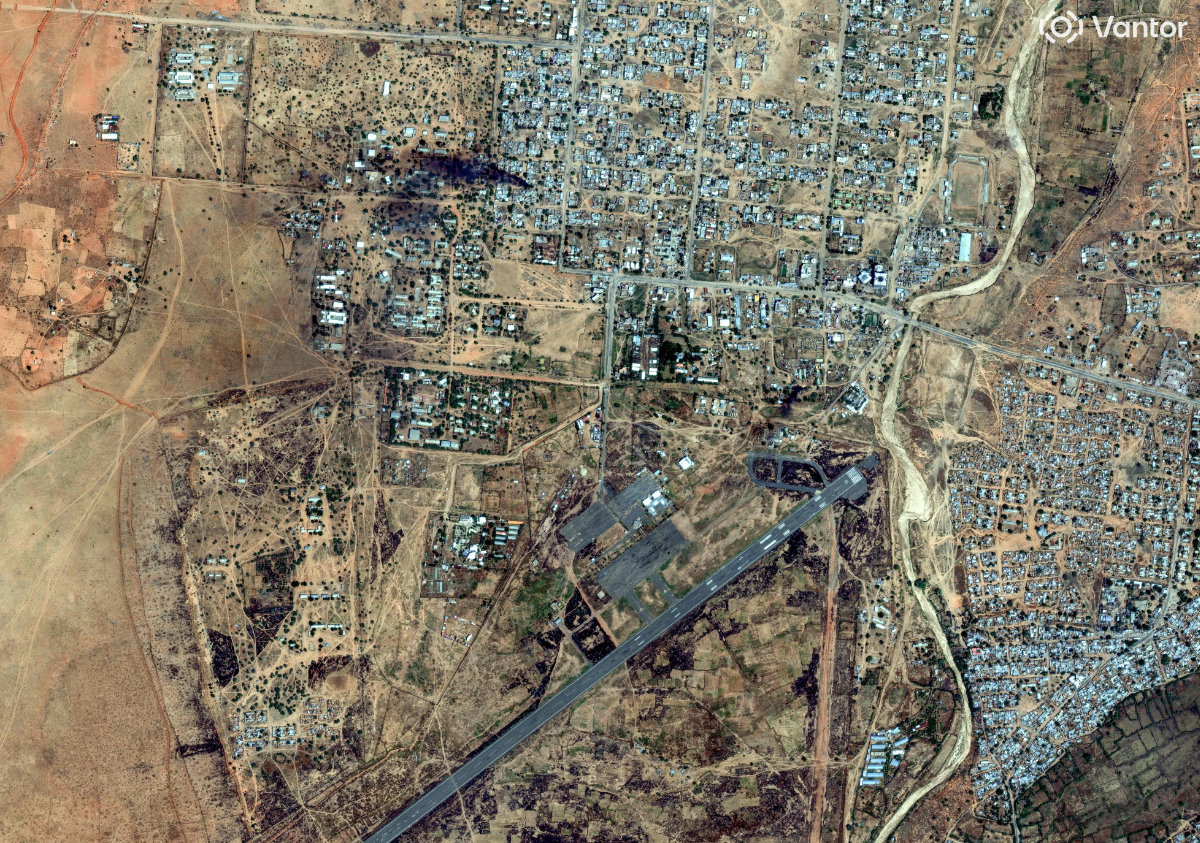
“There’s a lot of reporting to suggest that there is a deliberate approach by the RSF to engage in ethnic cleansing, repeating patterns evident in Sudan’s past conflicts,” he explained. “But there are also those within its coalition that are pursuing their own agendas and interests.”
The RSF is hardly alone in committing atrocities.
A 2024 UN fact-finding mission found that both the RSF and the Sudanese military had attacked civilians and civilian infrastructure through airstrikes and artillery in populated areas, notably Khartoum and Darfur.
Both sides were also accused of killing and maiming children, conducting arbitrary arrests, and engaging in torture — all “amounting to war crimes.”
With the RSF’s capture of El-Fasher in late October, its leaders have hinted at forming a rival government. Yet Sudan today appears too fractured for either side to establish coherent control, according to Jones.
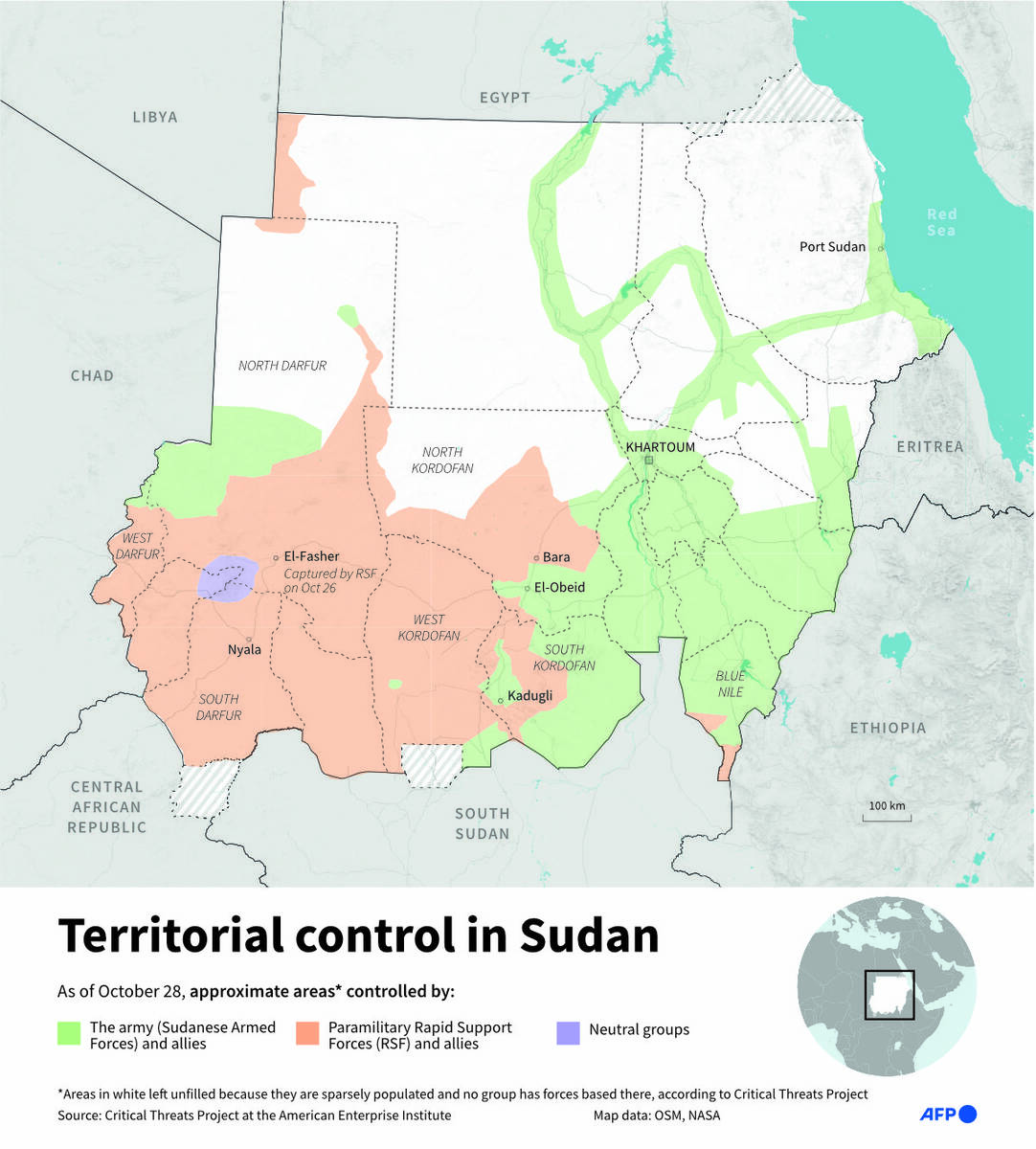
“The difficulty is that the Sudanese state and Sudanese society more broadly has become steadily more fractured and militarized over time,” he said.
“It is a congested political landscape of different armed groups tussling over control at a local and regional level, leaving any prospect of coherent governance by the RSF or army unlikely in the short to medium term.”
For ordinary Sudanese, the outlook is grim.
“Sudan is a humanitarian catastrophe on so many different levels,” said Jones. “We’re seeing a pattern of violence and atrocity that Sudanese civilians are bearing the brunt of, and which is unlikely to change due in part to the proliferation of armed groups within Sudan.
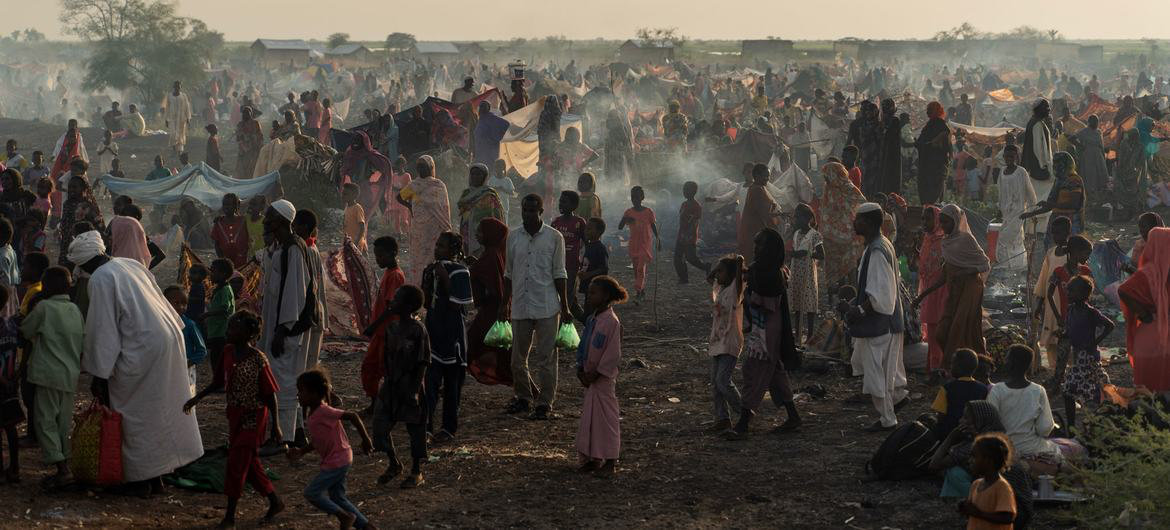
“Alongside diminishing aid budgets, there are well-documented problems around aid capture, extortion, lack of access, politicization of humanitarian resources, and so on,” he added. “All of that has massive knock-on effects for the Sudanese population, with the collapse of the domestic food and logistical systems across large tracts of Sudan.”
Despite rhetoric about accountability, Jones said there is little concrete evidence that the RSF or other factions in Sudan are pursuing genuine efforts to address war crimes.
“There is a lot of rhetoric around accountability, including by the RSF itself, claiming it will deploy police forces and special investigation committees and field courts to regulate the behavior of its rank and file,” Jones said. “That’s obviously translated into very little.”
“Additionally, you have a raft of middlemen who are converting RSF policy into violent practice, making it very difficult to identify and hold those figures accountable for their actions,” he added.
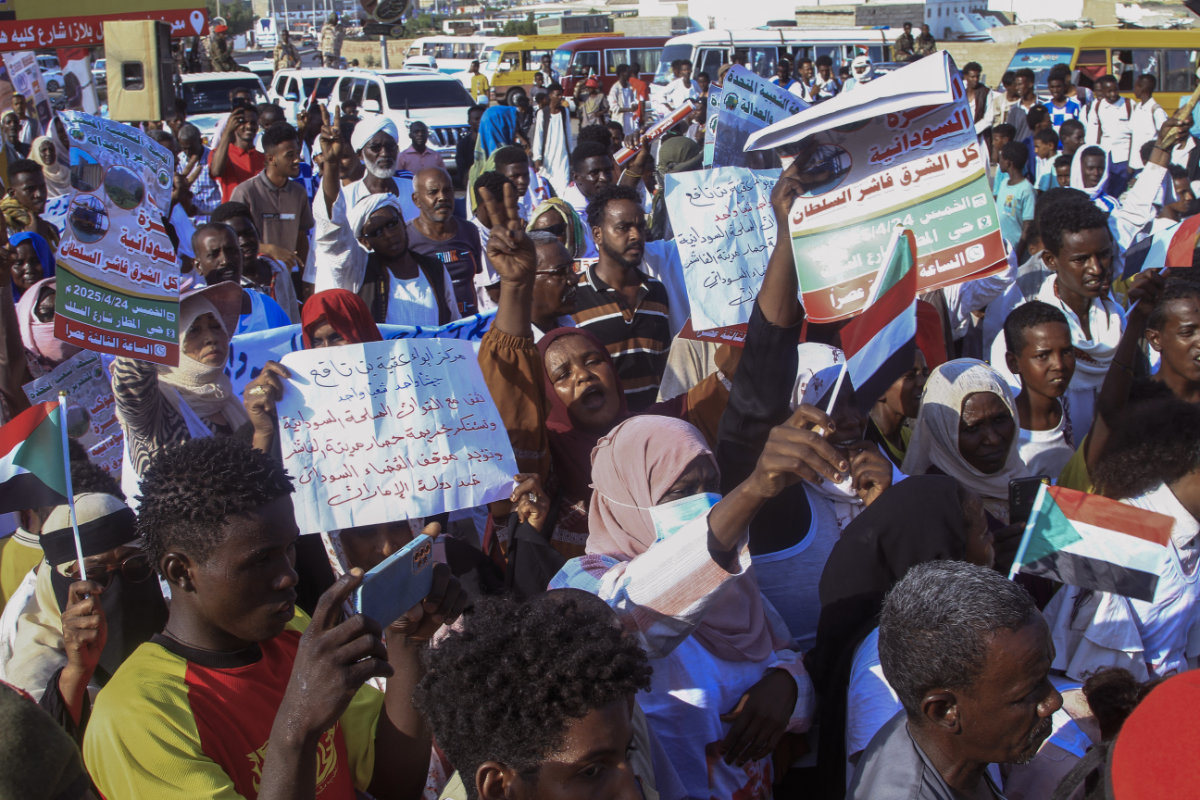
Moreover, the pursuit of justice often clashes with efforts to broker peace.
There is also “the ongoing tension between peace-making, ceasefires, and atrocity prevention,” Jones said.
“If you are proposing to engage the RSF as part of an effort to resolve or mitigate conflict, how far can you go, now or later, to prosecute those same stakeholders? How far does that undermine your ability to mitigate the conflict or incentivize buy-in?”
And because atrocities are widespread, few actors have clean hands.
“The RSF is not the only force accused of perpetrating war crimes,” Jones said. “While the scale and logic of RSF crimes are qualitatively distinct, reports have documented starvation strategies, indiscriminate shelling and bombing of civilian areas, and extrajudicial violence in territory held by the army and so on.
“A sizeable proportion of the stakeholders across Sudan’s warring coalitions are themselves are either complicit in or were previously involved in similar crimes. So, there is unlikely to be an appetite on the part of these armed groups to impose real accountability.”