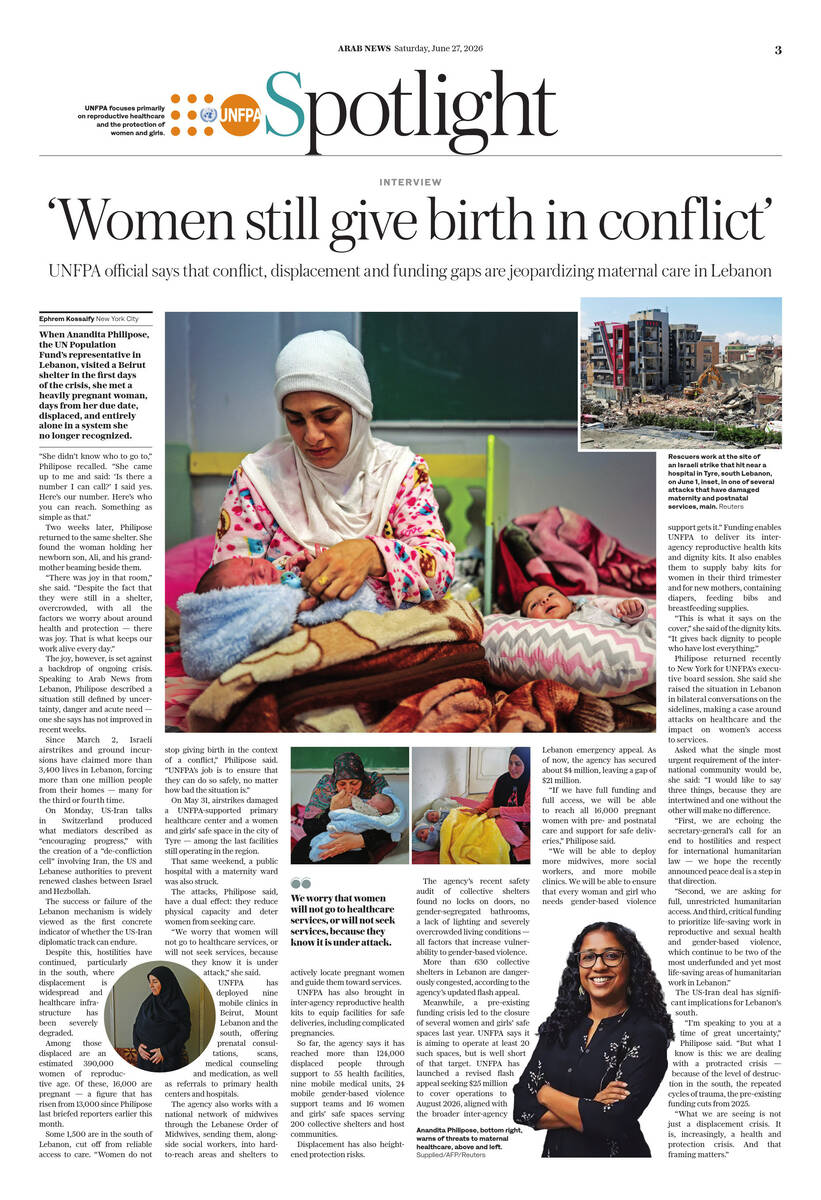
- UNFPA warns that attacks, displacement and damaged health facilities are endangering maternal care across Lebanon
- Anandita Philipose says funding shortages and restricted access threaten lifesaving services for pregnant women and newborns
NEW YORK CITY: When Anandita Philipose, the UN Population Fund’s representative in Lebanon, visited a Beirut shelter in the first days of the crisis, she met a woman who was heavily pregnant, days from her due date, displaced, and entirely alone in a system she no longer recognized.
“She didn’t know who to go to,” Philipose recalled. “She came up to me and said: ‘Is there a number I can call?’ I said yes. Here’s our number. Here’s who you can reach. Something as simple as that.”
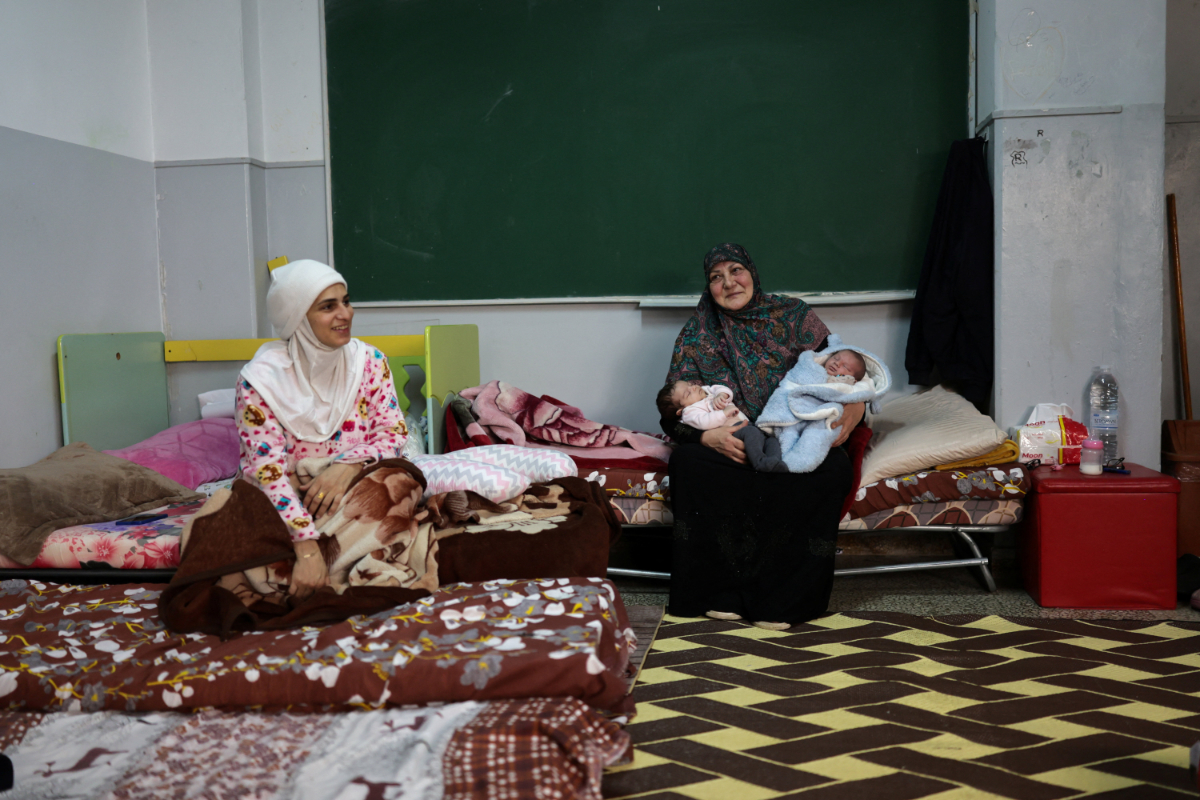
Two weeks later, Philipose returned to the same shelter. She found the woman holding her newborn son, Ali, and his grandmother beaming beside them.
“There was joy in that room,” she said. “Despite the fact that they were still in a shelter, overcrowded, with all the factors we worry about around health and protection — there was joy. That is what keeps our work alive every day.”
The joy, however, is set against a backdrop of ongoing crisis. Speaking to Arab News from Lebanon, Philipose described a situation still defined by uncertainty, danger and acute need — one she says has not improved in recent weeks.
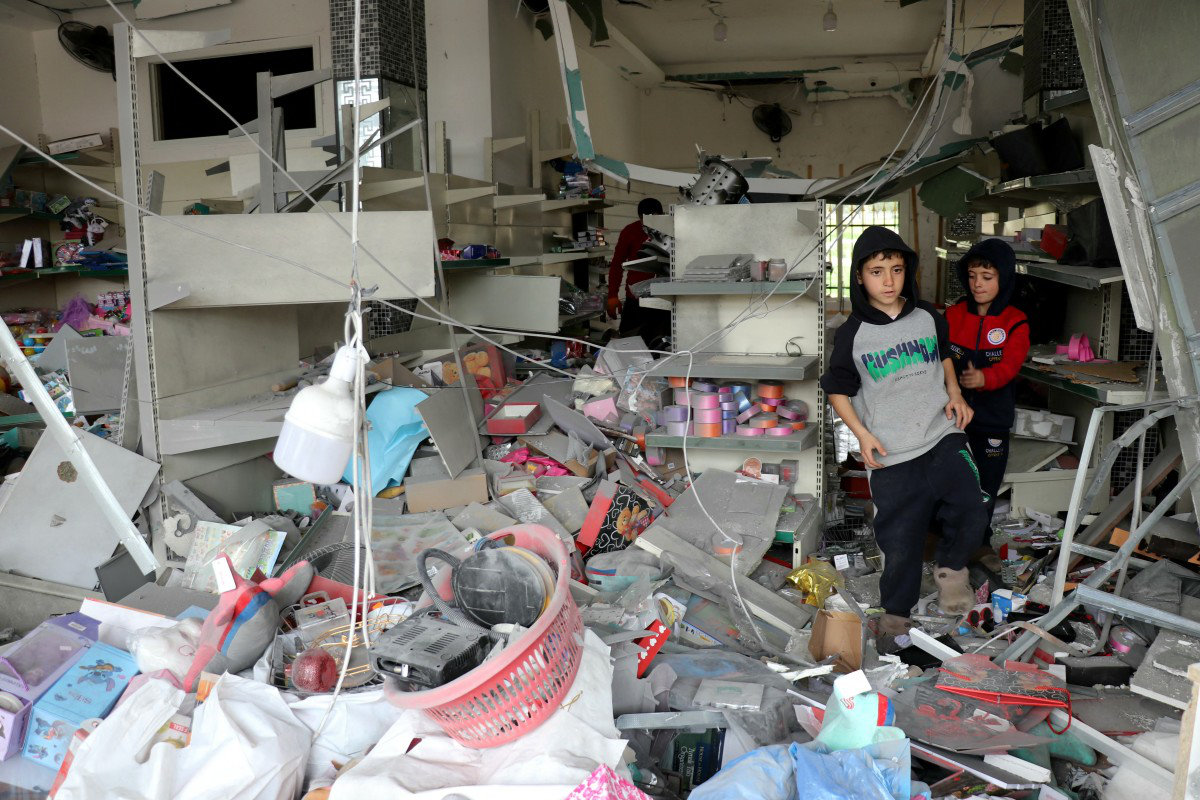
Since March 2, Israeli airstrikes and ground incursions have claimed more than 3,400 lives in Lebanon, forcing more than one million people from their homes — many for the third or fourth time.
On Monday, US-Iran talks in Switzerland produced what mediators described as “encouraging progress,” with the creation of a “de-confliction cell” involving Iran, the US and Lebanese authorities to prevent renewed clashes between Israel and Hezbollah.
The success or failure of the Lebanon mechanism is widely viewed as the first concrete indicator of whether the broader US-Iran diplomatic track can endure.
Despite this, hostilities have continued, particularly in the south, where displacement is widespread and healthcare infrastructure has been severely degraded.
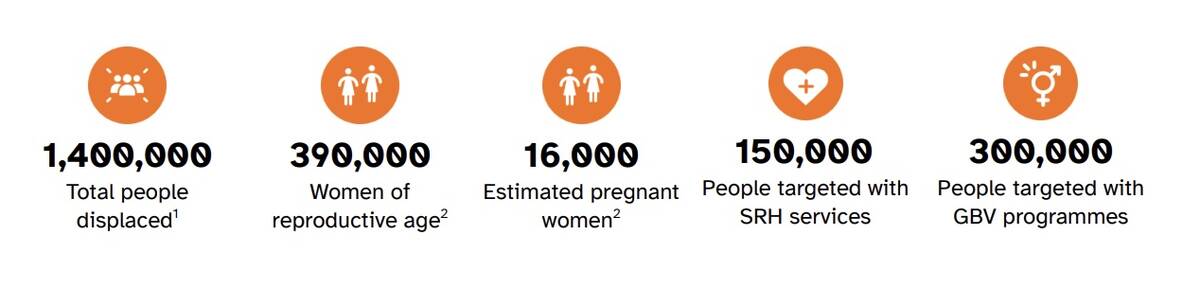
Among those displaced by the conflict are an estimated 390,000 women of reproductive age. Of these, 16,000 are pregnant — a figure that has risen from 13,000 since Philipose last briefed reporters earlier this month.
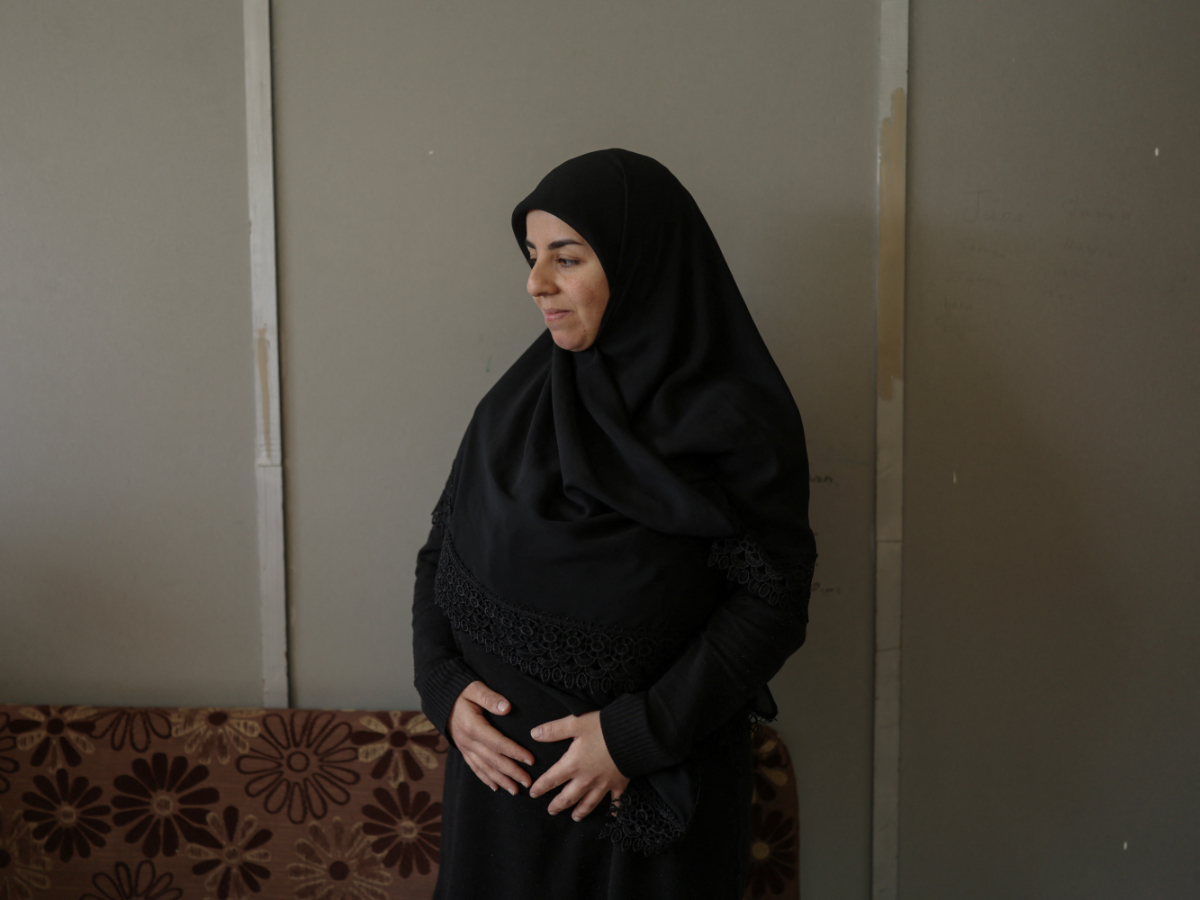
Another 1,500 are in the south of Lebanon, cut off from reliable access to skilled obstetric care.
“Women do not stop giving birth in the context of a conflict,” Philipose told Arab News. “UNFPA’s job is to ensure that they can do so safely, no matter how bad the situation is.”
On May 31, airstrikes severely damaged a UNFPA-supported primary healthcare center and a women and girls’ safe space in the southern city of Tyre — among the last facilities still operating in the region.
That same weekend, a public hospital with a maternity ward was also struck.
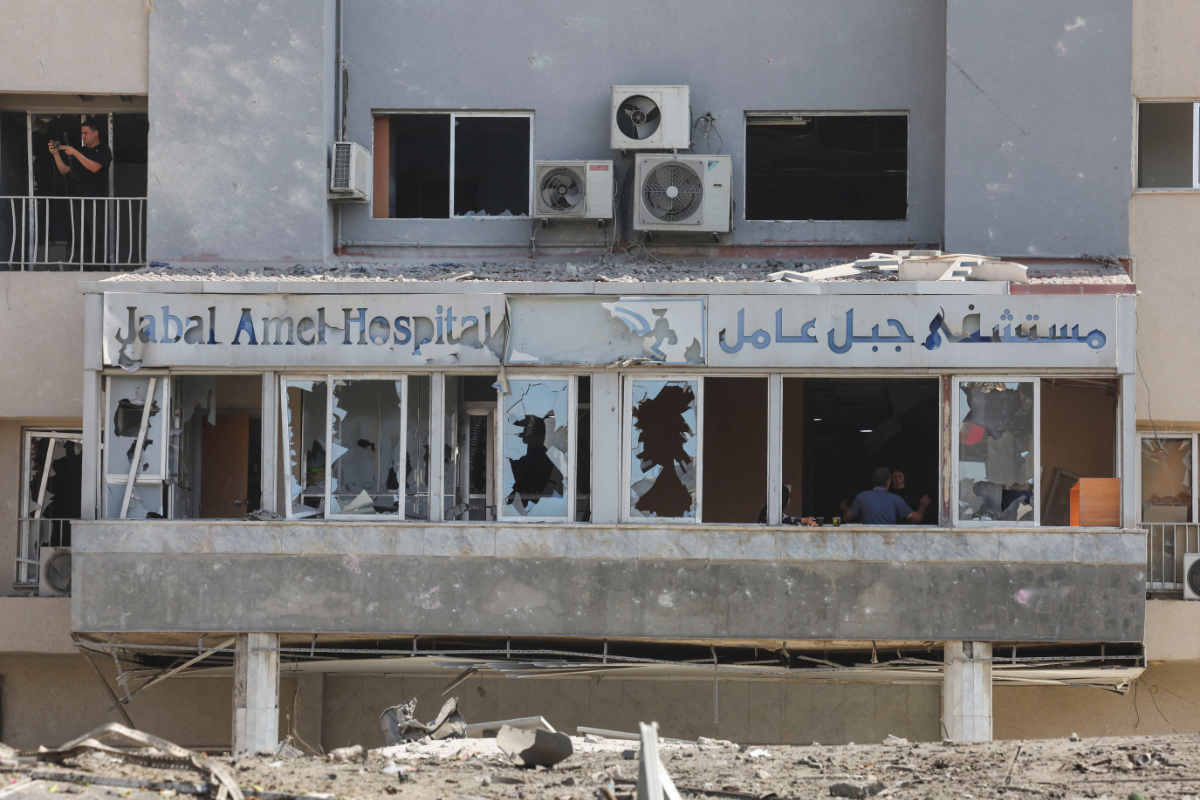
The attacks, Philipose said, have a dual effect: they reduce physical capacity while also deterring women from seeking care.
“We worry that women will not go to healthcare services, or will not seek services, because they know it is under attack,” she said.
To compensate, UNFPA has deployed nine mobile clinics in Beirut, Mount Lebanon and the south, offering prenatal consultations, basic scans, medical counseling and medication, as well as referrals to primary health centers and hospitals.
The agency also works with a national network of midwives through the Lebanese Order of Midwives, sending them, alongside social workers, into hard-to-reach areas and shelters to actively locate pregnant women and guide them toward services.
UNFPA has also brought in what it calls inter-agency reproductive health kits — pre-loaded supplies of medication, equipment and delivery materials, sourced from the agency’s logistics hub in Copenhagen — to equip facilities for safe deliveries, including complicated pregnancies.
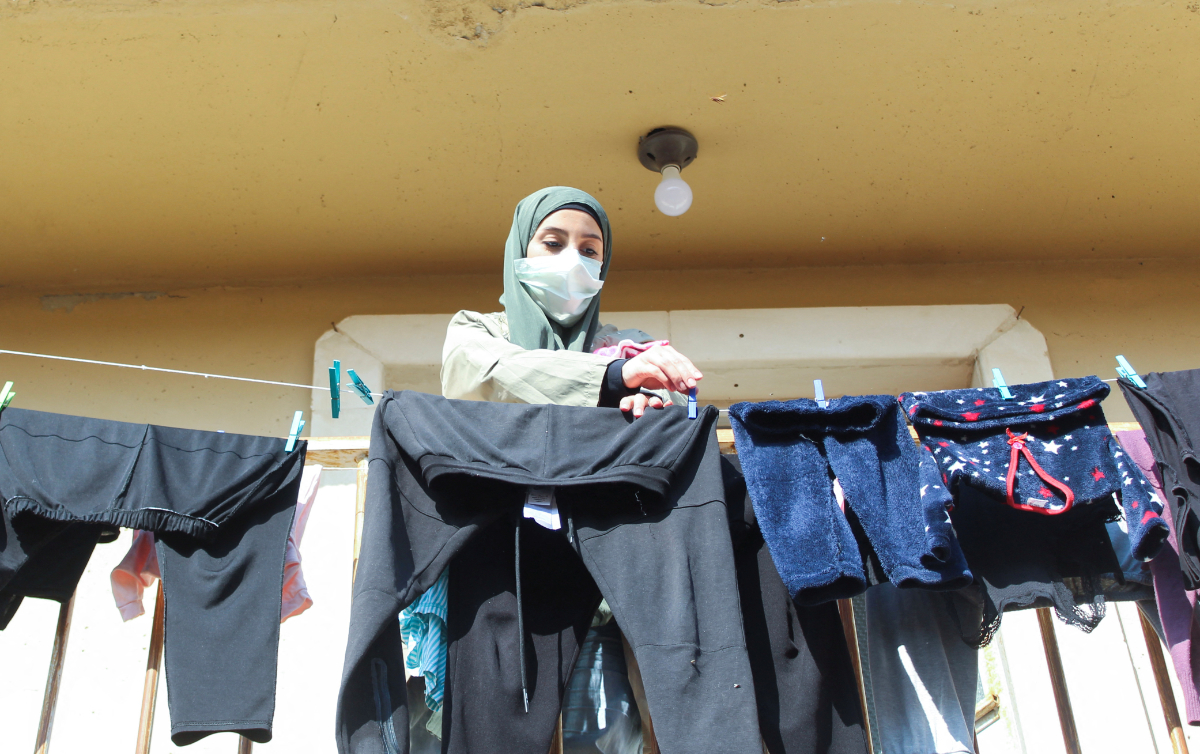
So far, the agency says it has reached more than 124,000 displaced people through support to 55 health facilities, nine mobile medical units, 24 mobile gender-based violence support teams and 16 women and girls’ safe spaces serving 200 collective shelters and host communities.
Rima, 26, was seven months pregnant when she fled her home in the south. Her journey to safety took more than 16 hours by car. She now shares a small home in Sidon with 13 other people. “I used to see my doctor regularly, but now I can’t,” she told UNFPA.
“I had to find another doctor here, and I don’t have any baby supplies — no clothes, no crib, nothing.”
Dana, 19, from Rashaf, near the Israeli border, fled to the Bekaa Valley when she was four months pregnant, sitting for hours in a car until the pain in her abdomen became unbearable. “Our home was destroyed, and we have nowhere to go,” she said.
Sara, 20, found some measure of relief when she reached a UNFPA-supported mobile clinic in Al-Ain. “The staff were kind and supportive,” she said. “It helped me feel a little more secure, but the fear doesn’t go away. I want my baby to be born into peace.”
Displacement has also heightened what UNFPA calls protection risks.
The agency’s recent safety audit of collective shelters found no locks on doors, no gender-segregated bathrooms, a lack of lighting and severely overcrowded living conditions — all factors that increase vulnerability to gender-based violence.
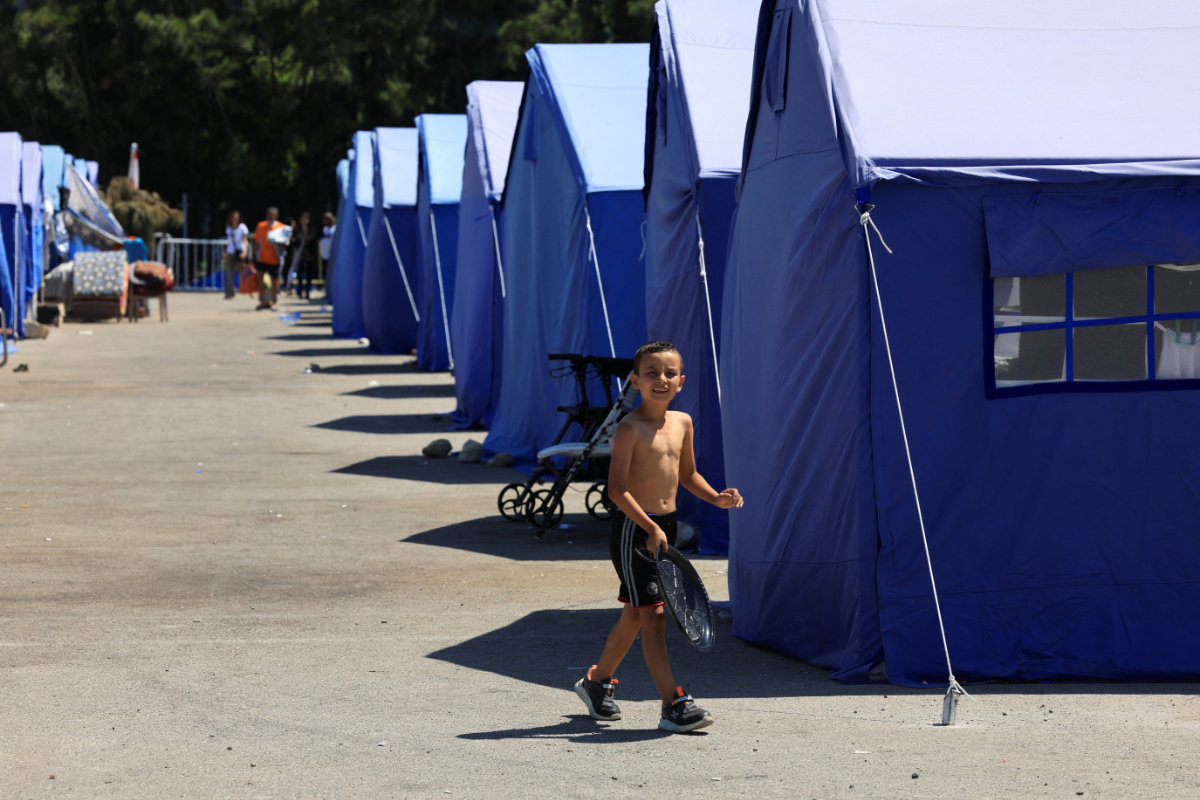
More than 630 collective shelters in Lebanon are dangerously congested, according to the agency’s updated flash appeal.
Meanwhile, a pre-existing funding crisis led to the closure of several women and girls’ safe spaces last year. UNFPA says it is aiming to operate at least 20 such spaces, but is well short of that target.
“We don’t really talk about gender-based violence because of the very private nature of it,” she said.
“We treat that data confidentially and anonymously. We know it’s happening — at an increasing rate as displacement becomes more protracted. We monitor it, we follow up. But we will not share the scope.
“The less said, in a way, is better, because survivors of violence will share their stories precisely because they know their data is treated with confidentiality.”
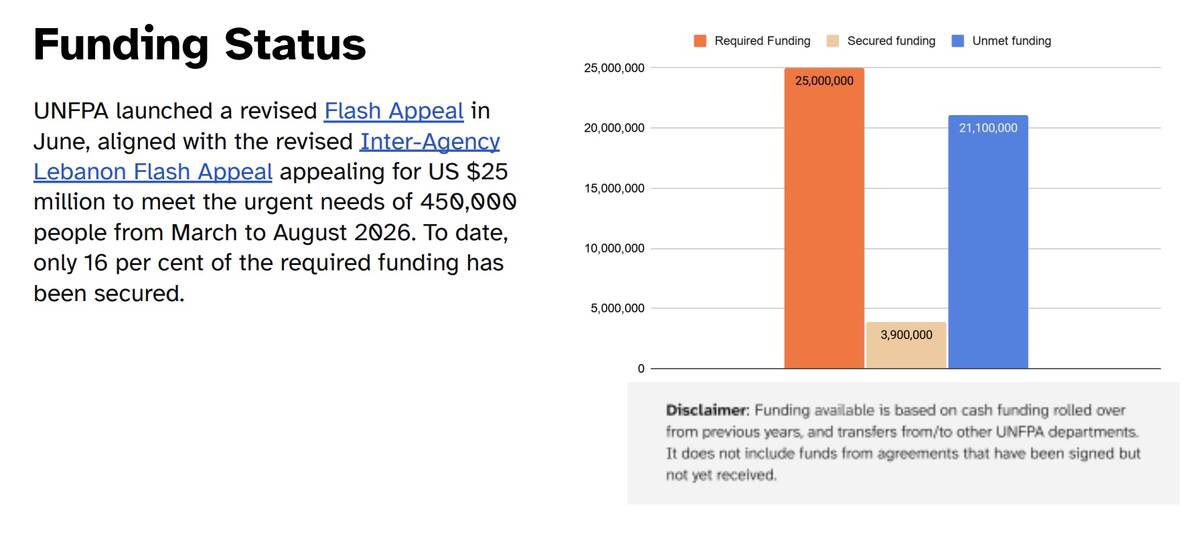
UNFPA has launched a revised flash appeal seeking $25 million to cover operations to August 2026, aligned with the broader inter-agency Lebanon emergency appeal. As of now, the agency has secured about $4 million, leaving a gap of $21 million.
“If we have full funding and full access, we will be able to reach all 16,000 pregnant women with pre- and postnatal care and support for safe deliveries,” Philipose said.
“We will be able to deploy more midwives, more social workers, and more mobile clinics. We will be able to ensure that every woman and girl who needs gender-based violence support gets it.”
Funding also enables UNFPA to deliver its inter-agency reproductive health kits and dignity kits — containing hygiene products, menstrual pads and information cards — described by Philipose as “an entry point for the very difficult conversations around protection and gender-based violence.”
It also enables them to supply baby kits for women in their third trimester and for new mothers, containing diapers, feeding bibs and breastfeeding supplies.
“This is what it says on the cover,” she said of the dignity kits. “It gives back dignity to people who have lost everything.”
Philipose returned recently to New York for UNFPA’s executive board session. She said she raised the situation in Lebanon in bilateral conversations on the sidelines, making a case around attacks on healthcare and the impact on women’s access to services.
Asked what the single most urgent requirement of the international community would be, she said: “I would like to say three things, because they are intertwined and one without the other will make no difference.
“First, we are echoing the secretary-general’s call for an end to hostilities and respect for international humanitarian law — we hope the recently announced peace deal is a step in that direction.
“Second, we are asking for full, unrestricted humanitarian access. And third, critical funding to prioritize life-saving work in reproductive and sexual health and gender-based violence, which continue to be two of the most underfunded and yet most life-saving areas of humanitarian work in Lebanon.”
The recently announced US-Iran agreement, which Beirut is watching closely, has implications for Lebanon’s south, where military action is ongoing. Whether it translates into lasting change on the ground remains to be seen.
“I’m speaking to you at a time of great uncertainty,” Philipose said. “But what I know is this: we are dealing with a protracted crisis — because of the level of destruction in the south, the repeated cycles of trauma, the pre-existing funding cuts from 2025.
“What we are seeing is not just a displacement crisis. It is, increasingly, a health and protection crisis. And that framing matters.”