



MUZAFFARABAD: Elections in Azad Jammu and Kashmir (AJK) will go ahead as scheduled on July 27 despite weeks of unrest that left around 30 people dead, the region’s chief election commissioner said this week, as authorities prepare a major security deployment to ensure polling remains peaceful.
The vote comes after weeks of protests and clashes involving the Joint Awami Action Committee (JAAC), a civil rights movement banned by the authorities last month under anti-terrorism laws over allegations of involvement in violent activities, claims the group has denied.
The unrest, triggered in part by a dispute over refugee seats in the AJK Legislative Assembly, has disrupted campaigning, shuttered businesses and raised questions about whether polling could proceed on schedule.
“This is not an easy election like previous ones,” AJK Chief Election Commissioner Justice (r) Ghulam Mustafa Mughal acknowledged in an interview with Arab News. “There have been disturbances. But the actions being taken by the law enforcement agencies will resolve these issues before the elections.”
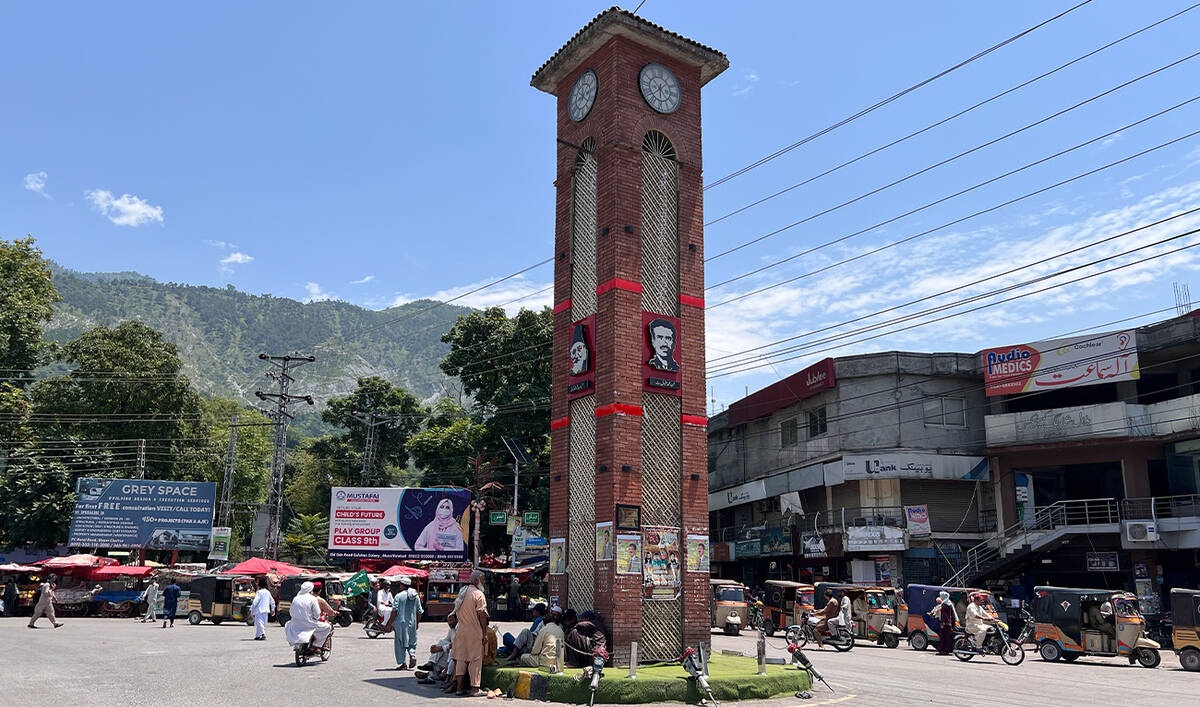
Commuters ride past Lal Chowk in Muzaffarabad, the capital of Azad Kashmir, Pakistan, on July 14, 2026. (AN)
Life has largely returned to normal in the capital city of Muzaffarabad after weeks of shutter-down strikes that disrupted businesses and transport across the region.
However, police and other law enforcement personnel continue to be heavily deployed, with security checkpoints visible across the city and at key entry points to the region where vehicles are frequently stopped and people questioned about their movements. Internet services, including mobile data and broadband facilities, also remain suspended.
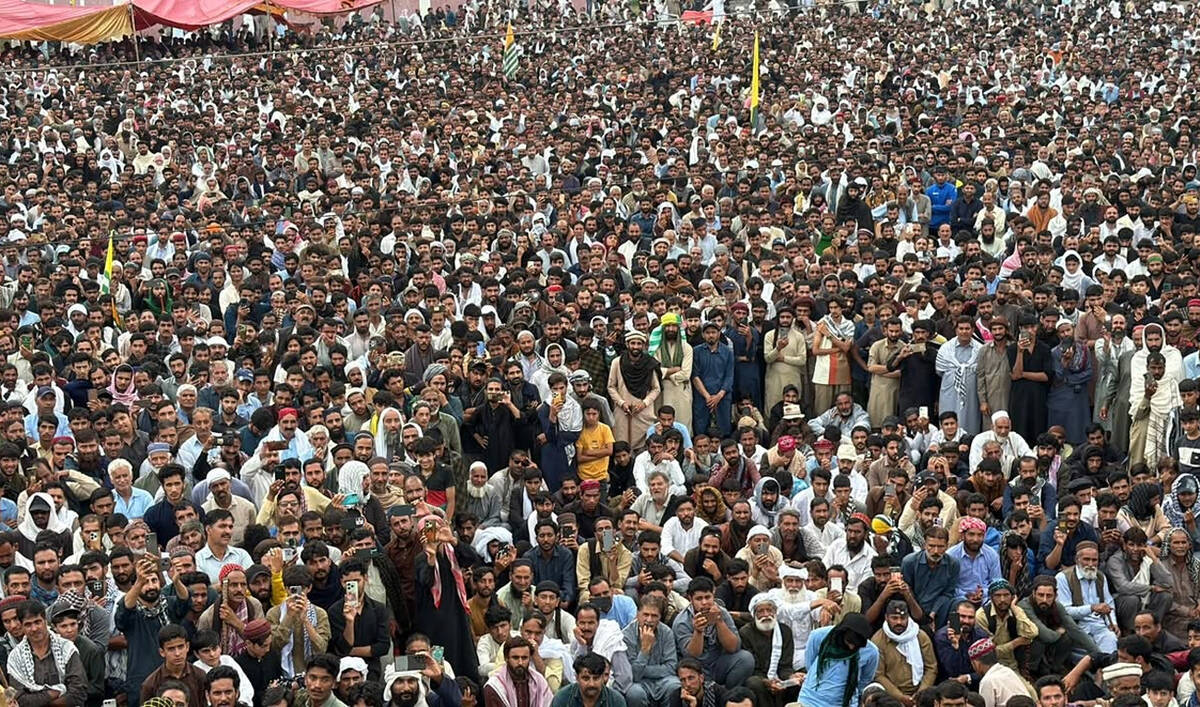
Supporters of the Jammu Kashmir Joint Awami Action Committee (JAAC) gather during a sit-in protest at Eidgah Ground on the outskirts of Rawalakot, Azad Kashmir, on July 16, 2026. (Facebook/aqeelBhaiofficial)
JAAC also announced on Wednesday that it would postpone its long march toward Muzaffarabad, saying that dialogue was underway with the authorities and that the decision had been taken to allow negotiations to continue.
Mughal said the election commission had completed all preparations for the July 27 polls, with ballot papers being printed and polling material already being dispatched to districts across the territory.
“Paramilitary forces have been deployed and the army will be there behind them, which will ensure that polling will not be disrupted at any place,” he added.
He maintained that postponing the vote was not an option because holding elections on time was a constitutional requirement, adding that election campaigns had continued in AJK despite the unrest.
“People contact each other on the phone, so we can’t say there is no campaign going on in those areas,” he added.
Campaign activity has, however, remained relatively more subdued than in previous elections.
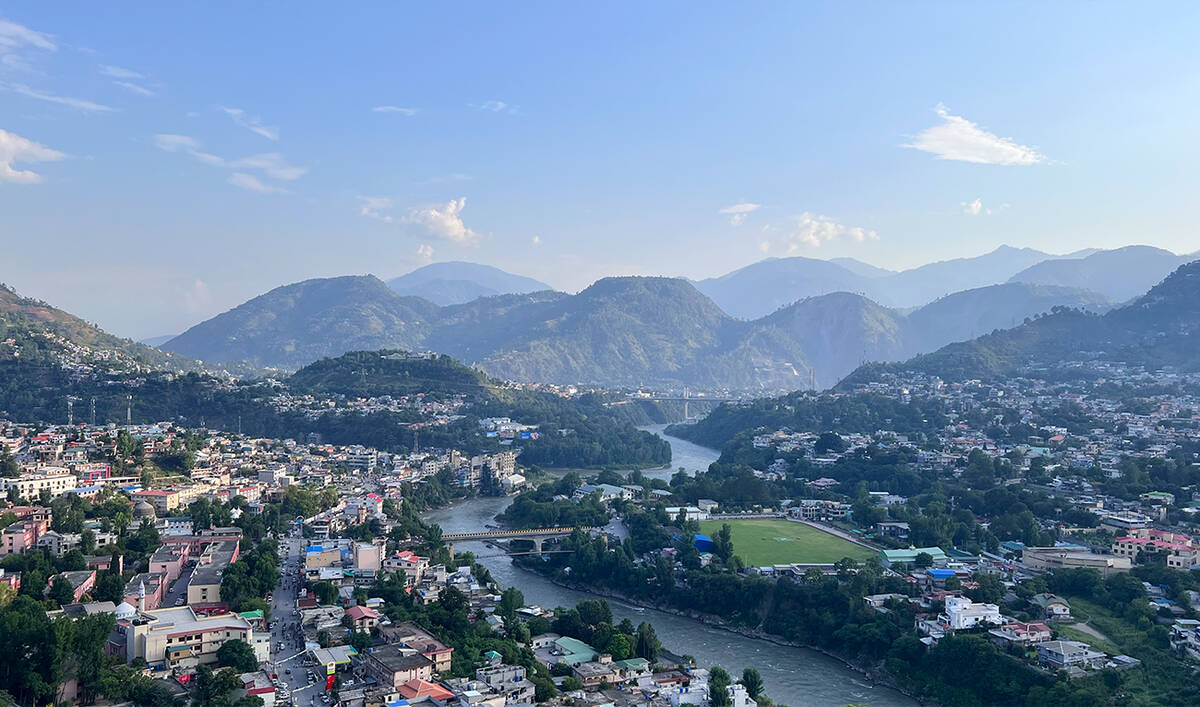
A general view of Muzaffarabad, the capital of Azad Kashmir, Pakistan, on July 14, 2026. (AN)
Arab News observed party offices operating and election banners and flags displayed in parts of Muzaffarabad city, though campaigning appeared far less visible outside the capital, with few signs of the large-scale activities and public mobilization typically seen during previous polls.
Pakistan Tehreek-e-Insaf (PTI), the party of jailed former prime minister Imran Khan that won the previous AJK elections, has boycotted this year’s vote, saying the current environment does not allow for a free and transparent electoral process.
“Given the current situation, the public is not interested in this election either, and we neither expected nor believed that the election would be free and fair,” the party’s deputy information secretary Raja Farrukh Mumtaz told Arab News.
“Therefore, our decision to boycott the election was made after careful consideration, and we believe it reflects the aspirations of the people,” he added.
Mumtaz said elections should be held in an open atmosphere with corner meetings, gatherings and rallies.
“What kind of election is this where candidates campaign secretly,” he asked.
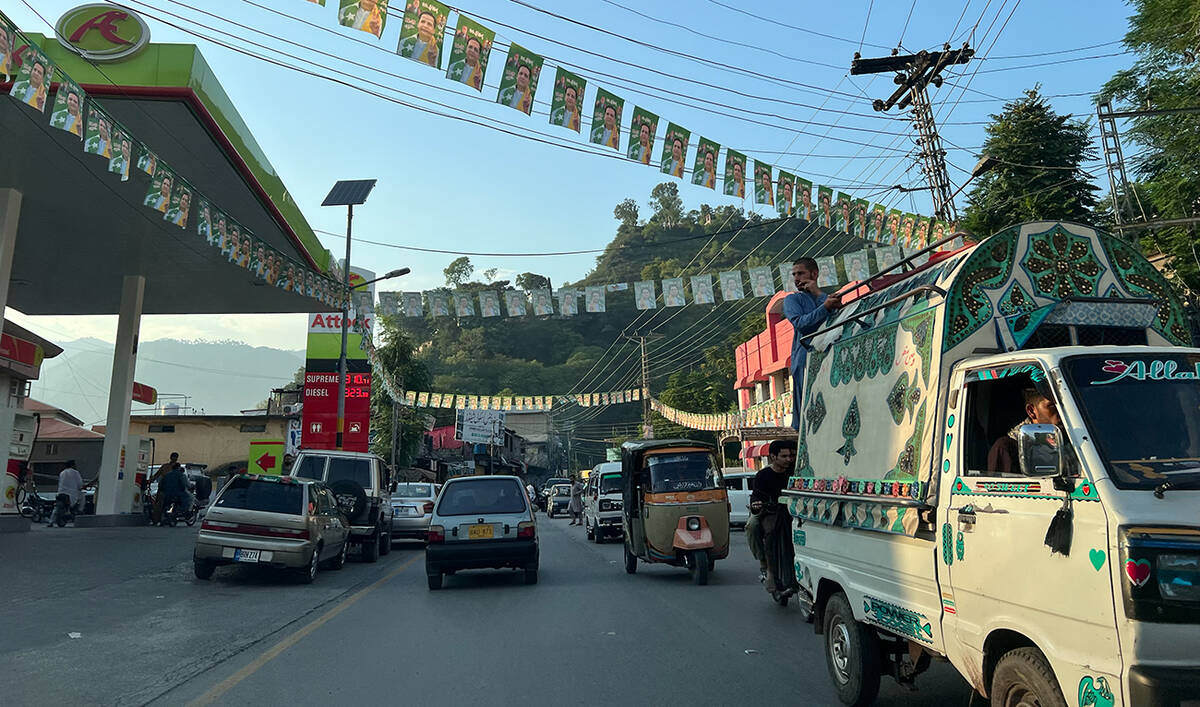
Commuters ride past a fuel station beneath election posters in Muzaffarabad, Azad Kashmir, on July 14, 2026. (AN)
His assessment was rejected by leaders of the Pakistan Muslim League-Nawaz (PML-N) and the Pakistan Peoples Party (PPP), who said campaigning had continued despite the unrest.
“Election campaigns are on. People are getting together, there are corner meetings and rallies. Everything that is part of an election campaign is happening routinely,” Barrister Iftikhar Gillani, a former AJK minister and PML-N candidate, said.
Gillani said his party expected to secure a majority in the assembly, citing its governance record during previous terms in office.
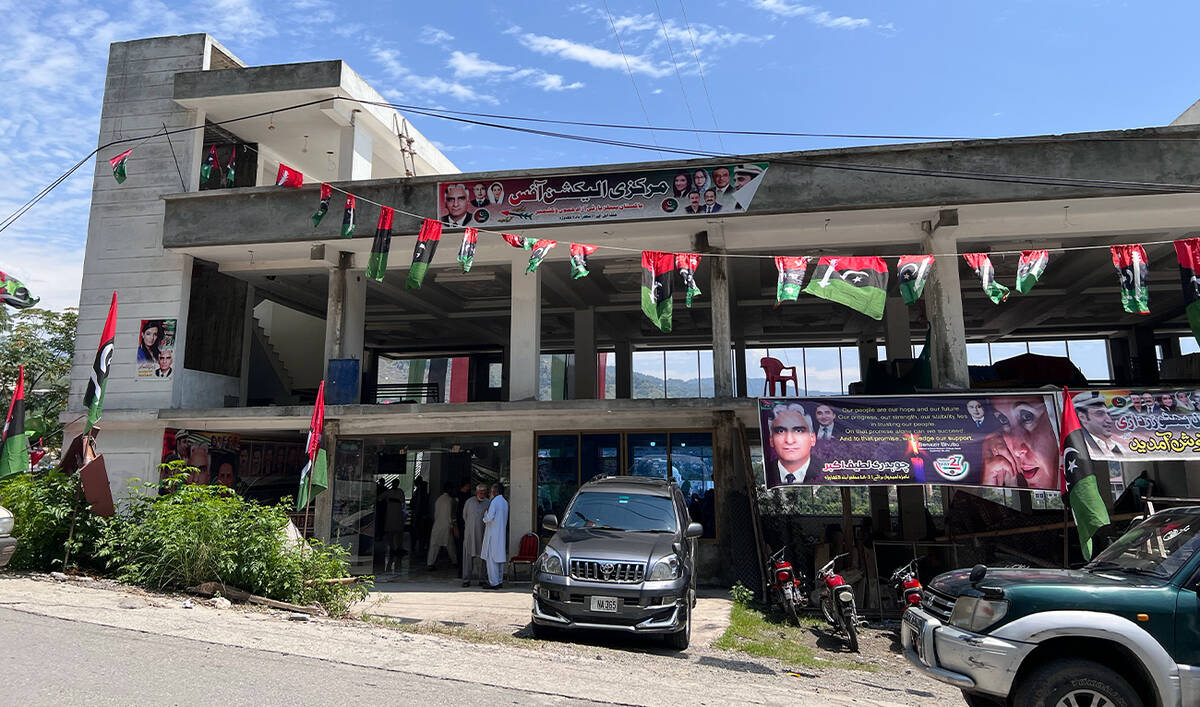
An outside view of the election office of Acting AJK President and Pakistan Peoples Party candidate for LA-31, Chaudhry Latif Akbar, in Muzaffarabad, Azad Kashmir, on July 14, 2026. (AN)
Senior PPP leader and Acting AJK President Chaudhry Latif Akbar said his party had previously sought a delay in polling because of the prevailing situation in some areas but maintained that it supported the democratic process.
“We are democrats ... We would never want the state to function without elections for even a single day,” Akbar told Arab News.
The AJK Legislative Assembly elections will be held in 45 constituencies, including 33 territorial seats and 12 reserved for Kashmiri refugees living in Pakistan’s Punjab, Sindh and Khyber Pakhtunkhwa provinces.
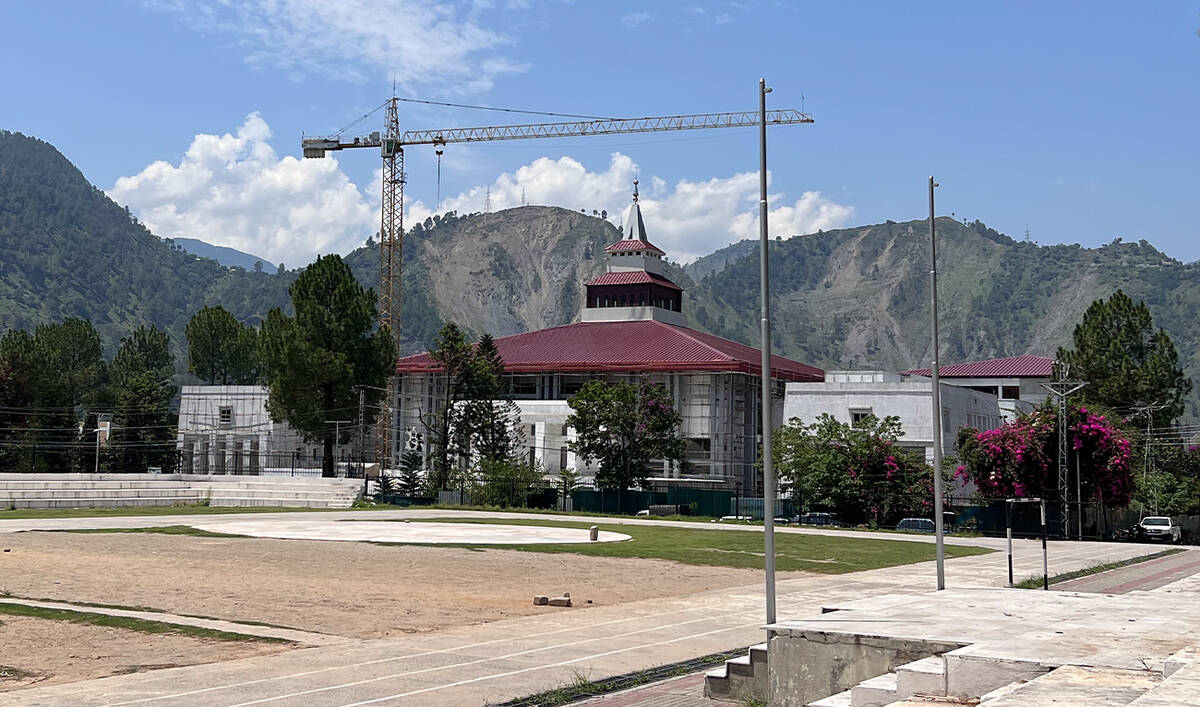
Construction work continues at the AJK Legislative Assembly Secretariat in Muzaffarabad, Azad Kashmir, on July 14, 2026. (AN)
More than 3.8 million registered voters are eligible to cast their ballots. The last two AJK elections recorded voter turnout of more than 60 percent.
Asked whether the recent unrest could reduce voter participation, the chief election commissioner said the protests “may have an impact.”




