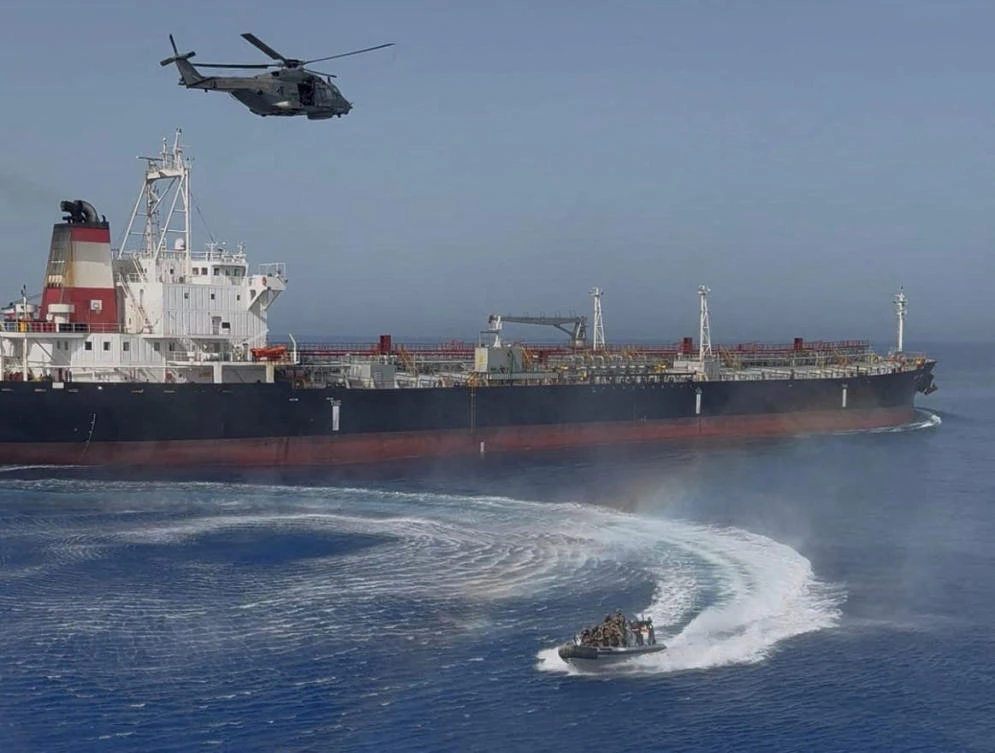
- States call for the safety of maritime shipping routes
- Support for Saudi Arabia amid the Houthi escalation
BRUSSELS/DUBAI: Gulf and Arab countries have condemned the Houthis for attacking a Saudi Arabia ship in the Red Sea, describing the act as a flagrant violation of international laws on the freedom of navigation and a threat to regional security and stability.
The Palestinian Foreign Affairs Ministry, in a statement, emphasized the need for an “immediate halt to these aggressions, which undermine the safety of maritime navigation, international trade, and the smooth flow of energy supplies.”
Bahrain, Kuwait, Jordan, Qatar and the UAE also issued separate statements expressing their solidarity with Saudi Arabia and the steps the Kingdom might take to protect its security, stability and interests.
The Arab League reaffirmed its rejection of the Houthi attack, as well as Iran’s strikes targeting Gulf states and Jordan.
It stressed that such actions constitute a violation of international law and a threat to maritime security and regional stability, Asharq Al-Awsat reported quoting the Saudi Press Agency.
In a statement, the Arab League’s spokesperson welcomed the position expressed by the GCC emphasizing the importance of solidarity in confronting threats targeting the security of Arab states and the safety of maritime shipping lanes.
The spokesperson stressed the need for the immediate cessation of all actions threatening international navigation in the Red Sea and the Strait of Hormuz, calling on Iran to cease its violations and return to the negotiating process as the only path toward a comprehensive and sustainable settlement.
The statement warned that continued escalation would further complicate the crisis and undermine efforts to promote security and stability in the region.
Meanwhile, the EU’s top diplomat demanded on Thursday that the Houthis “cease” attacks on ships in the Red Sea.
“The attack on an oil tanker in the Red Sea is unacceptable, illegal and further inflames an already volatile situation in the region,” EU foreign policy chief Kaja Kallas said in a statement.
“The Houthis must cease all actions that endanger international shipping and the lives of seafarers,” she added.
The attack on Saudi shipping in the Red Sea brought the war roiling the Middle East to a new front and sent oil prices surging.
Earlier this week, the Houthis said they had struck two Saudi oil tankers after declaring a blockade of the Kingdom’s ports.
Kallas said an EU naval mission deployed in the Red Sea to help ships pass through the vital waterway “remains firmly committed to protecting freedom of navigation for all.”
European counties also individually condemned the Houthis’ actions.
Britain condemned the strikes on Saudi shipping. “These reckless actions endanger lives, risk environmental catastrophe and regional stability, in serious violation of international law,” the Foreign Office said.
“We stand in solidarity with Saudi Arabia and urge the Houthis to stop.”
Germany said it was “very worried” that the oil tanker attacks risked escalation of the conflict in the region. The situation in the Middle East is “clearly moving in the wrong direction,” Defense Minister Boris Pistorius said.
A spokesperson for the French Foreign Ministry said the “irresponsible strikes” marked a major escalation.