- Beirut seeks breakthrough on missing and detained Lebanese while pushing for expansion of pilot security zones
- UNIFIL warns southern Lebanon remains fragile after Israel fires 113 projectiles in a single day
BEIRUT: A seventh round of Lebanese-Israeli negotiations in Rome shifted attention to the fate of Lebanese detainees and missing persons, as Beirut sought progress on one of the conflict’s most sensitive humanitarian files while broader security negotiations remained deadlocked.
The talks, held for a third consecutive day at the US Embassy in Rome under American mediation, brought together Lebanese diplomats, military officers and legal advisers to discuss military, civilian and legal issues stemming from the US-backed ceasefire framework.
Lebanese President Joseph Aoun acknowledged the slow pace of the negotiations, saying that “in negotiations we do not get everything we want from the beginning,” describing the process as a long one that Lebanon must continue pursuing.
An official Lebanese source told Arab News that discussions focused on expanding the pilot security zones, consolidating Lebanese Army control in areas already transferred to the state, establishing a timetable for additional model zones, and determining who would oversee verification of weapons restrictions in those areas.
Lebanon proposed Bint Jbeil and Khiam as the next pilot zones, but Israel has yet to respond.
The source said about 50 countries had expressed willingness to participate in a future verification mechanism after the US declined to take on the role. Israel continues to insist on leading the mechanism itself, a proposal Lebanon categorically rejects.
Military discussions remained largely technical, focusing on operational terminology and implementation, while the Lebanese delegation continued to rely on US pressure to encourage Israeli concessions.
The source said no breakthrough had been achieved on the pilot zones, adding that Beirut intends to propose Zawtar Al-Sharqiya after completing arrangements in Zawtar Al-Gharbiya.
Parallel legal discussions centered on Lebanese detainees held by Israel, with officials describing the issue as a priority.
The source said Lebanon still lacks a complete list of citizens detained by Israel during both the 2023-24 conflict and the 2026 war, while Israel has not provided any official list of Lebanese detainees or acknowledged holding any prisoners.
Hundreds of Lebanese remain unaccounted for, most believed to be Hezbollah fighters. Lebanese authorities do not know whether they are being held by Israel or were killed during the fighting, with many bodies thought to remain buried beneath the rubble in inaccessible border areas still affected by Israeli occupation and extensive destruction.
According to the source, discussions on the detainee file have been divided into two tracks: one governed by international humanitarian law relating to prisoners of war, and another covering the exchange of detainee lists. The source described negotiations on the issue as positive and said efforts were underway to involve the International Committee of the Red Cross.
The Lebanese delegation also presented a report documenting what it described as Israeli ceasefire violations, including strikes on Burj Al-Shamali near Tyre, outside the designated buffer zone. Beirut also requested a two-month extension of the ceasefire, and was awaiting Israel’s response on Thursday.
As negotiations continued, UNIFIL warned that the situation in southern Lebanon remained fragile. The peacekeeping force said it had recorded 113 Israeli projectiles fired on Wednesday — the highest daily total since June 21 — while continuing to monitor daily violations of Lebanese airspace and military activity on the ground.
UNIFIL said that although violence had declined significantly in recent months, full implementation of UN Security Council Resolution 1701, alongside continued dialogue and coordination, remained essential to restoring stability in southern Lebanon.
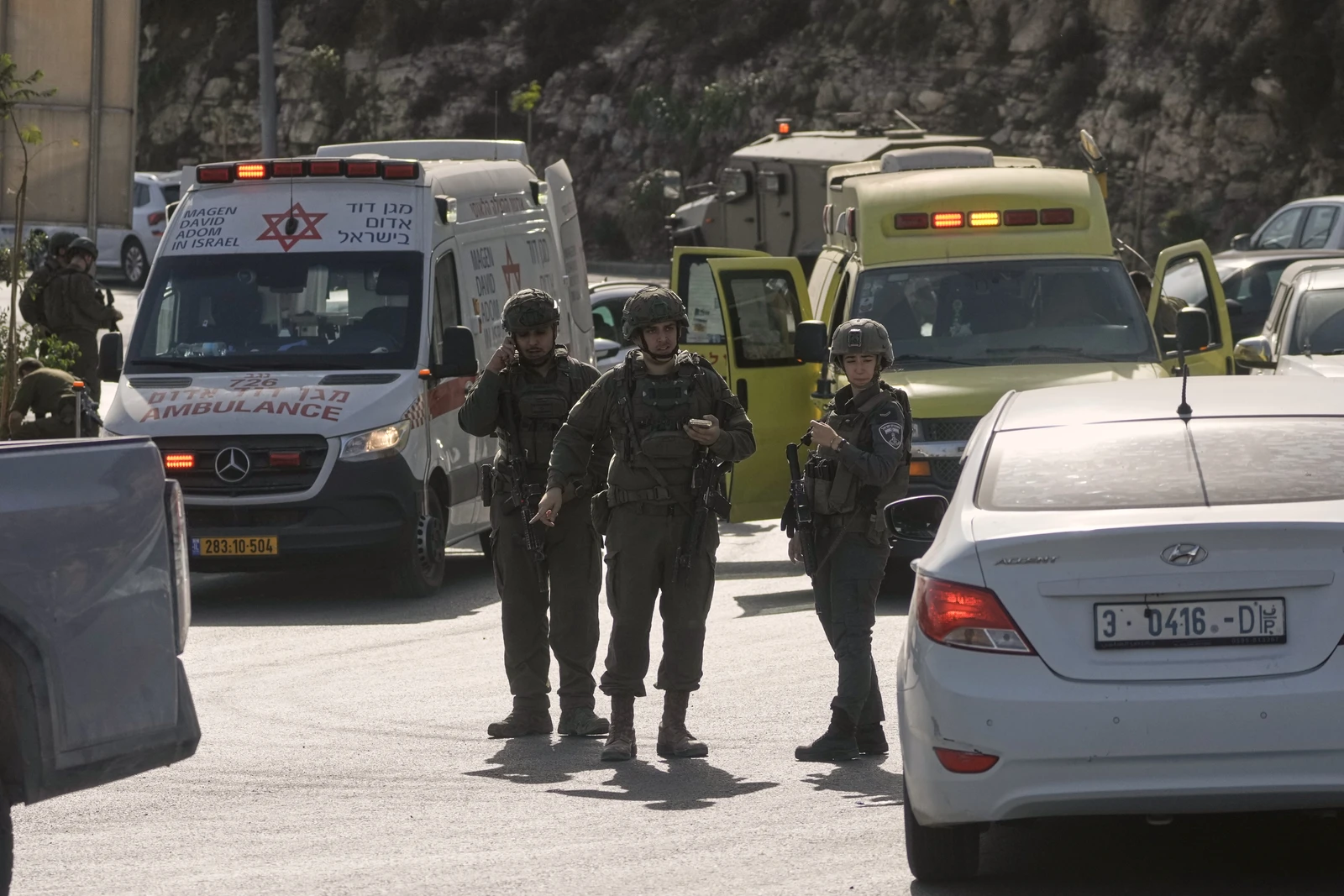
Israeli strikes continued overnight and throughout Thursday, targeting Mansouri, Burj Al-Shamali, Majdal Zoun, nearby valleys and the outskirts of Hadatha. Lebanese Army units and rescue teams later entered Burj Al-Shamali to assess the damage, while Lebanon’s Health Ministry said eight people had been wounded.
The Israeli military later said two soldiers had been killed and four others wounded, one critically, after an explosive device detonated inside a building in southern Lebanon. Israel said it had intensified operations following what it described as a security incident in Majdal Zoun, accusing Hezbollah of planting the explosive.