


As a student in London some nine years ago, I would visit the Portobello Market every other Saturday to examine the many antiques on offer, ranging from coffee cups made during the Second World War to Victorian silverware. But perhaps the items that I found to be most interesting were the old photographs of families and individuals. Among the monochrome photographs, I remember coming across a few Victorian baby portraits. In these photographs, babies were seen sitting in the laps of their mothers, who were hidden using various disguises and hiding spots (behind curtains, under blankets or behind chairs). Why did the parents go to all that trouble? Largely because, in the late 1800s, a photograph required about 30 seconds of exposure time. Anyone sitting for a portrait, therefore, had to sit still for at least a minute, which was naturally difficult for young children. This forced parents to get creative when having their children’s portraits taken. Without these photographs and records of the evolution of photography, we probably would not appreciate how far we have come as a species.
Long before we are born, documents and ultrasound images mark the beginning of our presence in this world. As we grow, so do our footprints, in the form of letters, photographs, certificates, report cards, cherished possessions, and more. Everything we write, snap and acquire will not only one day be history, but will inform future generations of who we were and how we lived. If one person’s life can, over the years, yield so many items of historical significance, imagine the vastness of historical wealth that can exist in one family or one home. This is why taking the time to organize this wealth in a family archive is important.
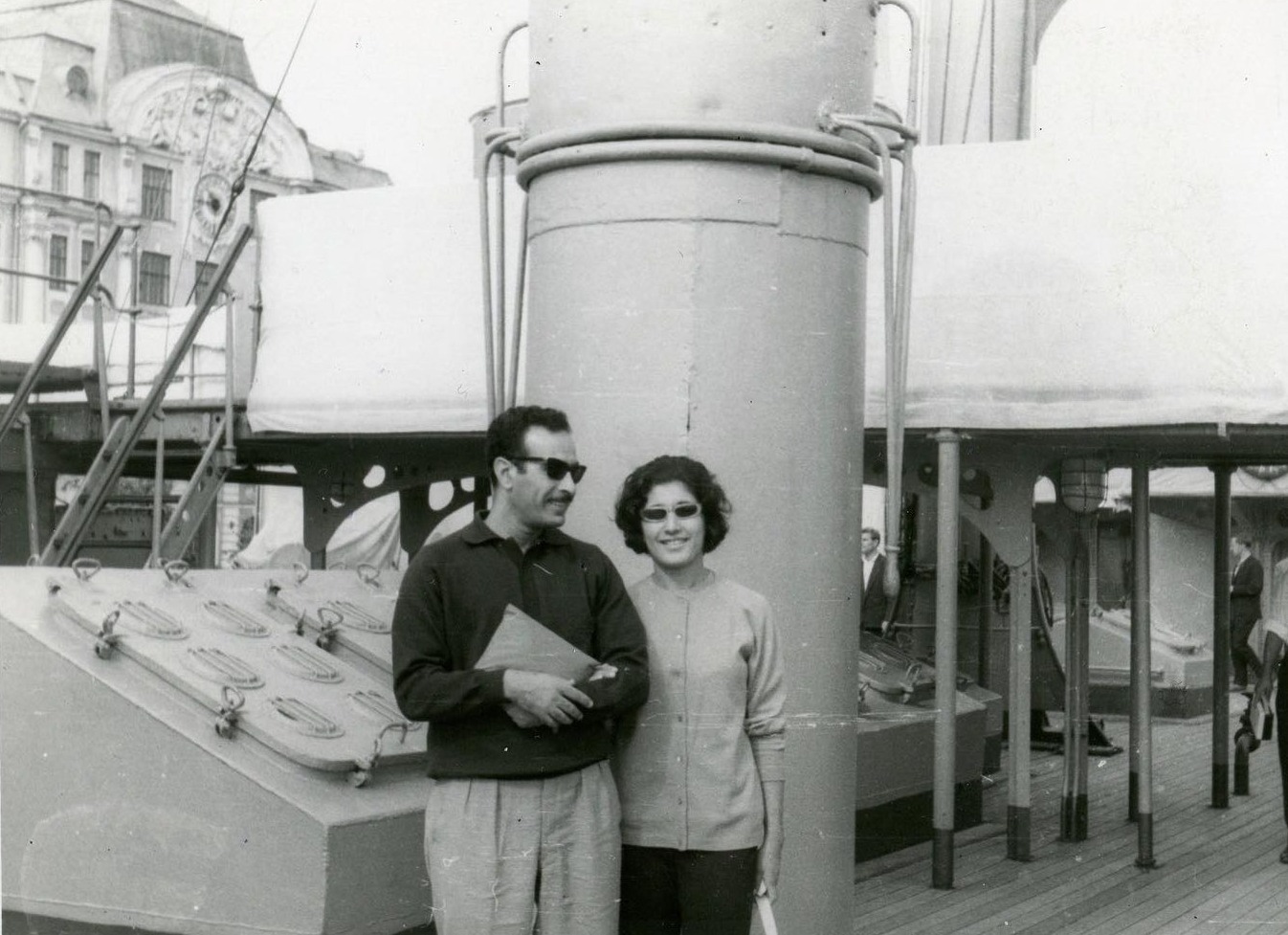
All over the world, museums and historians are finding great value in family archives. Just like the Victorian baby portraits, family archives help researchers understand “behind-the-scenes” heritage and give us a glimpse of what life was like for an average person in a bygone era. It is no surprise that museums, archives and other cultural institutions have been finding ways to engage the public and call upon people to catalogue and interpret their collections. Terms such as “crowdsourcing,” “citizen curators,” and “citizen archivists” have become more common as professional curators and archivists invite the public to upload and tag historical images and documents, transcribe records, and select material for display.
At the Library of Congress, archivists process every type of collection one can imagine. Along with scholarly and historical works, they also often acquire personal papers and mementos. These include anything from letters and photos to locks of hair, newspaper clippings and beverage-stained documents.
Not only are museums and archives studying and exhibiting items from family archives, many, like the University of Cambridge Museums and Botanic Garden and Royal Museums Greenwich, are also providing useful information and tips for individuals and families on caring for their archives.
Many individuals who are passionate about the lives of people in certain regions have also taken to the digital world to create online archives of old photos sent to them by people all around the world. One such enthusiast is Darah Ghanem, who has created the Middle East Archive Project — a “crowdsourced digital archive of family records” on Instagram. The project features people from different ethnicities, religions and countries around the Middle East, and even Arabs in diaspora. “Family records provide a more nuanced, diverse and multifaceted spirit, and a narrative closer to the truth.” Ghanem said in a recent interview with The National. “Our history lies inside our families’ homes, suitcases, briefcases, jewelry boxes, envelopes, etc. And these are elements of our history that are in the private realm, not in museums or public spaces, and you won’t see them in history books about the region.”
In the UAE, there are a few avid and active collectors of old documents and photographs that depict life in the country dating back to before the union in 1971. Among them is Hussein Al-Badi, a researcher who has created an impressive digital gallery and founded the Emirates Center for Culture, History and Heritage. His Instagram account boasts more than 7,700 posts, including old photographs and interviews capturing the accounts of Emiratis’ lives over the past few decades.
All over the world, museums and historians are finding great value in family archives.
Maria Hanif Al-Qassim
The efforts of people like Ghanem and Al-Badi are important, as they take charge of the transcribing of the history of the region by its own inhabitants, while making it accessible to people all over the world.
Over the past few decades, more and more people are enjoying keeping family records and creating their own family archives. It is a fascinating process that can take one from interviews with relatives to a search on the internet or in books in an effort to piece together the lives of your relatives and ancestors. It is also a process that can help you expand your local and historical knowledge, as you explore their way of life and the events they witnessed and lived through. It is also a great adventure people can embark on with their siblings, bringing a sense of closeness, pride and family identity.
As we brave the coming few weeks of uncertainty, many people have been occupying themselves by taking on hobbies such as cooking and pottery. Others, myself included, have also been going through old photo albums and picture galleries, reminiscing about simpler and cheerier times. I write today to invite you to create your own family archive. And, while it may feel like nobody will find value in what you file today, one person a generation or two later will be glad you took this step.
- Maria Hanif Al-Qassim is an Emirati from Dubai who writes on development, gender and social issues. Twitter: @maria_hanif


