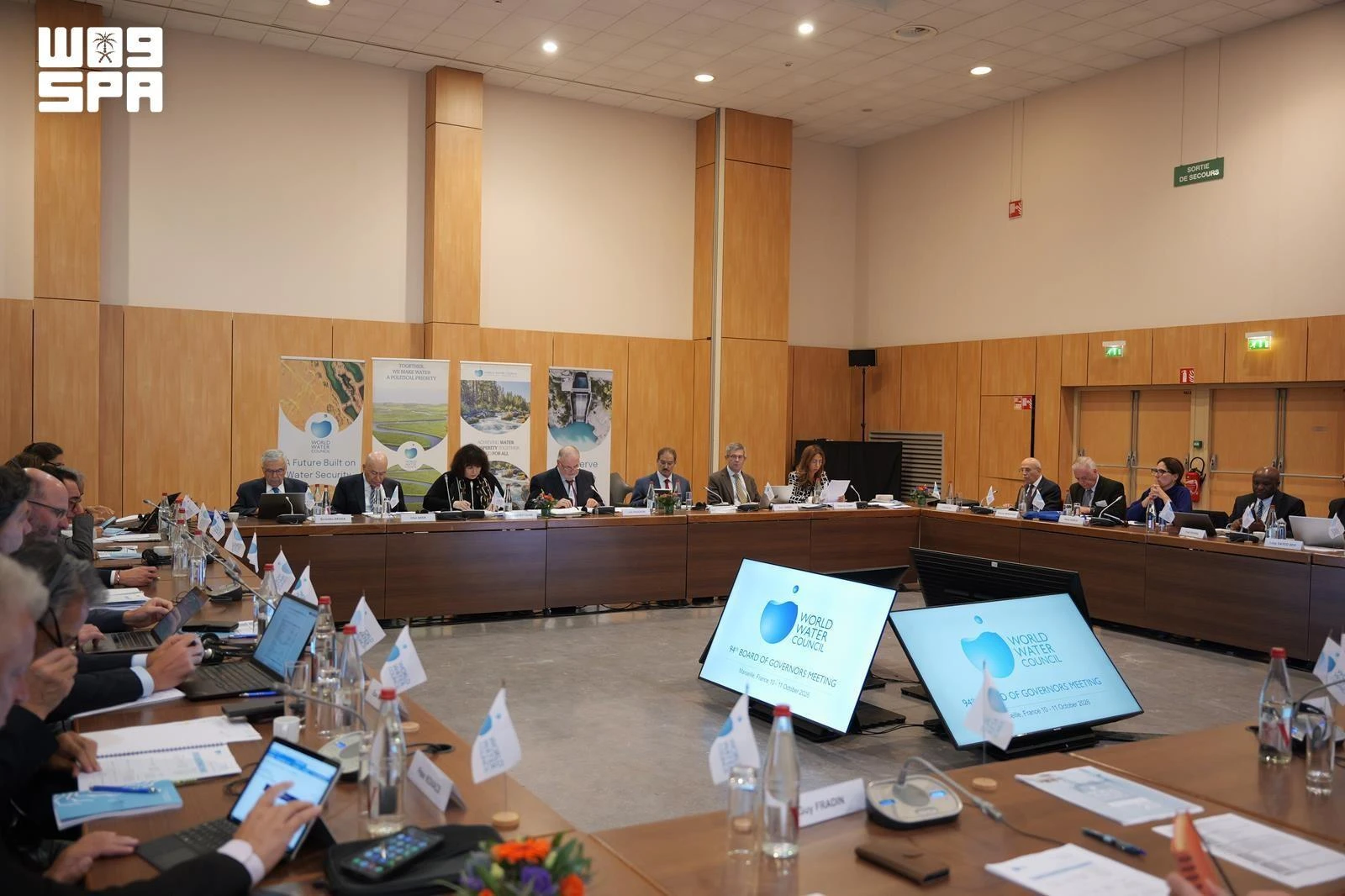
The King Abdullah International Center for Interreligious and Intercultural Dialogue discussed ways to end violence and enable peaceful coexistence in the Central African Republic (CAR) in a recent meeting held in Cape Town, South Africa.
The meeting also discussed the media’s role in supporting effective reconciliation between religious and cultural groups, fostering relations between media and religious institutions, encouraging respect for diversity and promoting tolerance and coexistence, Faisal bin Muammar, secretary-general of the center, told the Saudi Press Agency on Saturday.
Several media experts and representatives of electronic and print media, as well as new social media outlets attended the event.
Bin Muammar said topics discussed in the meeting were press freedom and the media’s role in positively influencing public opinion, particularly in promoting coexistence and mutual interest among various religious and cultural groups.
Bin Muammar cited the Liberian experience in using dialogue to achieve reconciliation in the aftermath of a bloody civil war in the West African country.
“There is a pressing need for peaceful coexistence in the modern-day world, as people around the world are forced to flee their native countries because of wars or natural disasters,” he said. “Objective dialogue should focus on the views of the other, a matter that can only be achieved through media cooperation.”
Bin Muammar said in a statement that the center is keen on supporting the peace process in the war-torn country.
Participants in the two-day meeting agreed that the dispute in the African country is not a religious one, but had historical, political and economy-related roots.
They also cautioned that any delay in adopting speedy measures in resolving the crisis would only exacerbate the suffering of its people.
The meeting was attended by several religious leaders, representatives of religious organizations in the Central African Republic and the Jeddah-based Organization of Islamic Cooperation, in addition to the United Religious Initiative and the African Churches Council.
Arab News