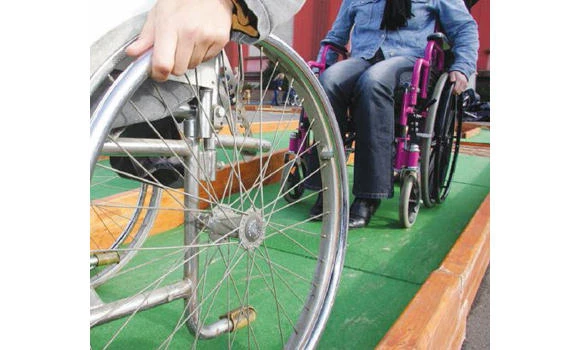
Many Saudi families are abandoning their disabled children at the country’s social care institutions, which is affecting the physical and mental well-being of these young people, and their ability to integrate into the community, say experts.
Specialists at the Comprehensive Rehabilitation Center for Women in Dammam said that people with mental and physical disabilities need contact with their relatives.
Rabab Al-Marhoun, a social expert, said human beings are social by nature and cannot live alone. This is particularly important for people with disabilities. They need a sympathetic smile and physical contact, particularly with their parents, because they are more helpless than other people, she said.
Al-Marhoun said that some families think it is not important to visit those who have disabilities, in the mistaken belief that they do not have a proper grasp of time and place. “Residents of institutions need more contact because they are away from their families. They need to be visited,” she said.
Majd Al-Salman, who cannot see, said she is longing to have contact with her mother. “I haven’t seen my mother for three years. I long to do so, but my father will not allow it because I am staying at a center for the disabled. It is one hour away from my family’s home. I long to smell her and feel her touch me,” she said. Al-Salman said she could still remember the last time her mother visited. She has a vivid recollection of her perfume and the touch of her hand on her face.
Galiah Al-Oof, a social specialist, said visits by families have a positive effect on children with disabilities. It also helps families because they are able to get a better understanding of how their children are coping inside an institution.
Al-Oof said visits also educate families and they are able to get answers to questions about mental disabilities. This ensures that they accept the persons afflicted and interact with them in a better way.
She said those children who do not receive regular visits become more withdrawn. It affects also their physical health, which further worsens their disabilities.
Nai’ma Al-Ajmi, a social specialist, said counselors play an important role in communicating with families about visits. They set up regular meetings to explain the importance of contact and explain the goals of institutions and health professionals.
Al-Ajmi said this guidance also helps parents cope with unexpected crises. She stressed that parents and relatives need to understand that these children are like this for a reason, and accept God’s ruling in this matter. They should commit themselves to finding the best care possible for these young people at government institutions, she said.
Disabled children left at shelters crave family love