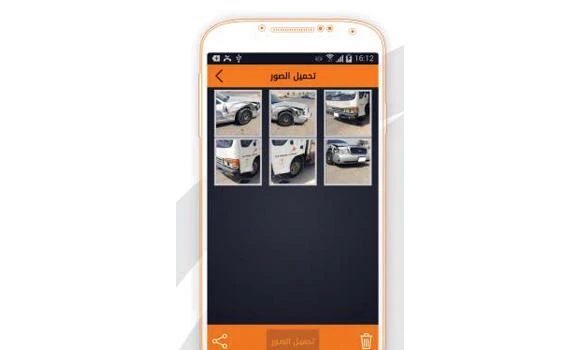
Traffic authorities are asking drivers involved in road accidents to follow new regulations through the department's mobile application and avoid creating congestion. According to new procedures, drivers must now take photos of their vehicles right after the accident and move their car to the side of the road, giving way to other motorists.
This will prevent cars from blocking busy roads, since most of the drivers leave their vehicles standing in place until police arrive, creating bottlenecks that prevent others from reaching their destination on time.
The Director General of Traffic recently launched the new guidelines through various online outlets, advising drivers to take pictures after the accident and not wait for traffic officers to move the car.
According to a local daily, authorities are asking drivers to follow three steps in the event of an accident: Take picture, move the vehicle aside and report the accident through the mobile application provided by Najam.
In order to use the Najam application, the driver must posses a valid car insurance. The owner has to send the driver's name and plate number along with the image of the car after the accident and the app will take care of the rest, like automatically determining the site of the accident via GPS coordinates.
According to traffic authorities, the company will send the nearest representative to the site to inspect the vehicles and apportion responsibility. After evaluating the damages, the representative sends an estimate of the accident's cost to the insurance company. Thanks to the application, drivers can also follow up on the process each step of the way.
Patrol cameras
The General Directorate of Traffic, meanwhile, has begun placing special cameras above dashboards and glove compartments of traffic patrol vehicles in order to help reduce traffic violations. These cameras will also monitor vehicles and suspects wanted by police, Maj. Gen. Mohammed bin Ajlan Shanbari, department director in Madinah, told local media.
Almost 30 cameras working 24 hours a day have been distributed so far among traffic patrol cars, while nine other cameras have been placed on road posts located at the main entrances and roads to and from Madinah.
Drivers involved in accidents told to take photos and move vehicles aside