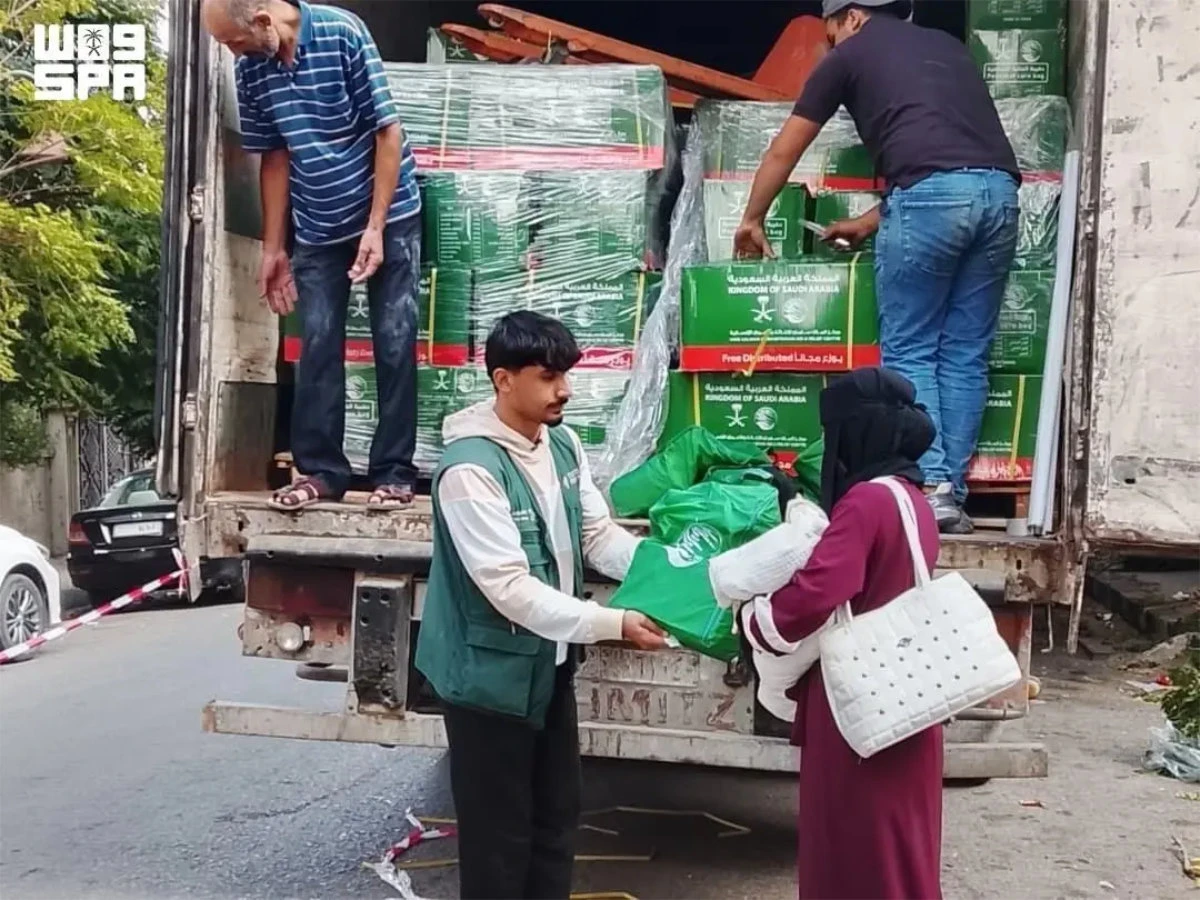
The tradition of neighbors exchanging meals just before iftar in Ramadan is one that strengthens social bonds and warm brotherly feelings which can last throughout the year.
Sadi Asiri often sees children roaming the streets just before Maghreb prayer during Ramadan, carrying plates of meals to give to neighbors. Some families prepare simple meals made of soup and sambusak in addition to some sweets such as qtaef, kunafa and lugaimat. Children are entrusted with the responsibility of taking the meals to their neighbors before the call of the muezzin for the Maghreb prayer. The tradition has been passed down the generations and families are committed to abide by it with the Prophet’s saying: “Those who offer iftar to a fasting person get the same reward.”
The Islamic tradition does not only sustain brotherliness and good neighborly relations but also teaches children the spirit of generosity and charity.
Nora Al-Omari says that Ramadan is the most beautiful month of the year when relatives visit each other and neighbors make an effort to communicate. There is the loud chatter and laughter of children as they run to and fro carrying different types of food. The next day, the streets are filled up again with the children now returning the plates to their owners with other kinds of food.
Safaa Mohammad, an Egyptian, says this is one of the most beautiful traditions in Ramadan and exists in most parts of the Arab world even though it is decreasing in new neighborhoods. She added that the custom of tathwiqa (tasting), a simple plate of food which doesn’t satisfy the appetite but makes a clear addition to the table, must not be done to show off or it would lose its meaning.
“In the past women made special marks underneath the plates to differentiate them and later return them full of food to their owners,” said Um Shaimaa.
Social specialist in the psychological health department of Asir hospital, Sabah Al-Zahar said exchanging meals during Ramadan is a social habit which should be maintained.
Many women put in a lot of effort in preparing meals which is a type of social communication between neighbors. Ramadan is well known for increased charity and voluntary work and this type of communication strengthens the humanitarian spirit and social relationships.
Arab News