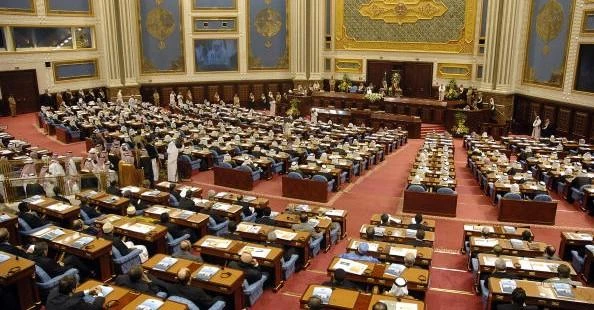
The fifth Shoura Council, which ended its term last month with the setting up of a new council, issued 575 orders and resolutions after discussing 600 topics in 315 sittings beginning in February 2009.
“The council’s 118 decisions were about various statutes and regulations while 224 decisions were on annual reports of government departments, 205 were on international agreements and memorandums of understandings,” said a Saudi Press Agency report on the achievements of the fifth Shoura Council.
Its members made 8,500 comments that influenced the decisions on matters discussed in the council. The council discussed all topics listed on the agenda for each sitting and made suggestions. It also recommended legislation for statutes. Its discussions included issues in society and overviewed the performance of all government departments. Its recommendations and resolutions about government departments were submitted to higher authorities.
The council approved bills dealing with the General Authority for Small and Medium Establishments, municipal councils, a project for food regulations, protection from harm, standards regulation and tourism. It also recommended amendments to some articles in the civil service regulations, regulations pertaining to protection of natural reserves, the National Commission for Academic Accreditation, household workers, defense at courts, criminal procedures, limiting seats in a vehicle to Makkah and holy sites during Haj, voluntary service and a child protection law.
The last council also approved the national strategy for the handicrafts and cottage industries and the national transport strategy.
The Shoura Council also helped the Council of Ministers to take decisions on many matters. The report said 243 orders or decisions made by the Cabinet were based on council decisions.
The council enjoys strong relations with various government establishments and private sector institutions. It builds on its rapport with various government departments through visits and meetings and a close observation of their plans and activities or services. Council members made field visits to ministries, government institutions, universities and utility sectors.
By maintaining close relations with provincial councils, the Shoura learned more about the priorities in economic and social developmental plans. The Shoura invited eight ministers to discuss the services offered by their respective ministries. The ministers included Minister of Municipal and Rural Affairs Prince Mansour bin Miteb, Education Minister Prince Faisal bin Abdullah, former Civil Service Minister Prince Muhammad Al-Faiz, Water and Electricity Minister Abdul Rahman Al-Hessain, Social Affairs Minister Yusuf Al-Othaimeen, Labor Minister Adel Fakeih and Health Minister Dr. Abdullah Al-Rabeeah.
Special committees of the Shoura summoned 1,200 top officials of government departments to discuss matters related with their departments.
It participated in dialogues in various parliamentary and consultative council meetings abroad supporting the stands taken by the Kingdom in various international and Arab issues. It also hosted the third consultative meeting of speakers of the G20 countries last year.
Fifth Shoura ends with many feats