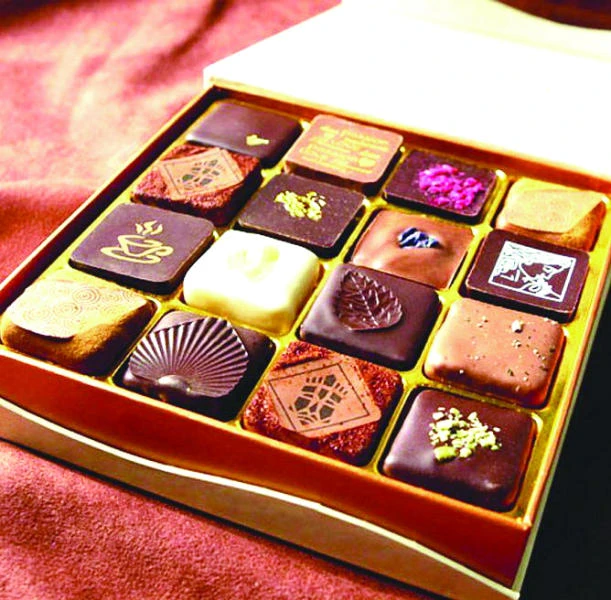
DAMMAM: In spite of different customs and traditions among Arab countries, there is a similarity when it comes to special sweets and cakes during the final days of Ramadan. The aromas of cakes being cooked are common in all Arab houses.
In Islamic history, Eid Al-Fitr cakes go back many years. They were often baked in special tins and “Eat and Thank” was written on them. Over the years, this became an established way of celebrating Eid.
Lately, however, this custom has begun to disappear because many families prefer to buy cakes from bakeries.
Some housewives express their regret on the disappearance of homemade cakes.
Raghda Al-Rashed said: “In the early years of my marriage, I stuck to Eid traditions, including making different kinds of cakes at home. Gradually, I began to prefer buying beautiful and exotic cakes from shops.”
Samirah Al-Johari, an Egyptian expat, said: “In Egypt, all the women in a family get together to bake all kinds of cakes which are shared among the families. Many Egyptian families, however, now depend on bakeries.”
A Moroccan housewife said that the practice of making homemade cakes had almost disappeared in Morocco. Instead, people use a local baker who makes all kinds of Eid cakes.
Rima Radi, a newly married woman, said: “Why should I make cakes in my house when the market is full of all wonderful and delicious ones? I don’t want to spend my time baking and preparing cakes so I pay the prices and buy them.”
Homemade cakes give way to bakery rivals