Last year, over 130,000 Saudis studied abroad, taking advantage of international higher education to enrich their learning for the benefit of the Kingdom. The majority of Saudi students head to the US or UK, studying at leading universities at graduate or postgraduate level.
For this to happen they not only need to be high academic achievers, but also carry with them a recognized English proficiency certificate, such as IELTS. IELTS is much more than a piece of paper — for many it is the gateway to further learning and a better career. For a quarter of a century, millions of people from around the globe have had their lives transformed by the IELTS language test.
This year, IELTS marks its 25th anniversary in Saudi Arabia. As it reaches this milestone, it gives me the opportunity to reflect on the impact that this world-renowned examination has had on many in people living, learning and working in Saudi Arabia.
From Riyadh to Jeddah and countless other towns and cities across the Kingdom, thousands of people have taken the IELTS test every year in order to enhance their career. Passing the exam creates opportunities. It opens doors and generates pathways to future success and prosperity.
On an individual level, an IELTS certificate allows you to study in 135 countries around the world. It doesn't just give access to the United Kingdom. If you want to become a student in the US, then IELTS is accepted by America’s top 50 colleges and universities along with more than 3,000 other institutions. If you need to pass an English test in order to get a visa, then it is the IELTS exam that you will be taking.
But in addition to being a passport to new opportunities, the IELTS test is something even greater. It is mark of quality and success which benefits the Kingdom of Saudi Arabia as a whole.
One only needs to look at the numbers to see how much the country benefits from the exam. Over the past three years alone around 100,000 tests have been delivered by the British Council across the Kingdom. About 70,000 of these were taken by Saudi nationals.
A huge proportion of these people — around 50 percent in 2013 — say that they intend to use their IELTS to apply for courses at institutions in the UK or US, the two countries which collectively have the highest standards of education anywhere on the globe.
It means thousands of Saudis are traveling to the top colleges and universities every year, following the best courses in medicine, engineering, information technology and numerous other subjects.
Upon graduation, these students return to Saudi Arabia to seek careers in fast-growing, highly paid sectors such as oil and gas, tourism, aviation, transport, shipping, banking and telecommunications.
So with that in mind — and a quarter of a century after the examination was first devised — we can appreciate the transformational impact the IELTS examination has had.
As the UK’s international organization for education, we have been working in Saudi Arabia for nearly 40 years as a government partner, helping young Saudis get the skills they need for the jobs they aspire to.
As the world’s English experts, millions of people and businesses have developed their language skills either through our teaching and exams centers or through our online tools.
No organization does more to share and support the learning of English in the Kingdom.
—
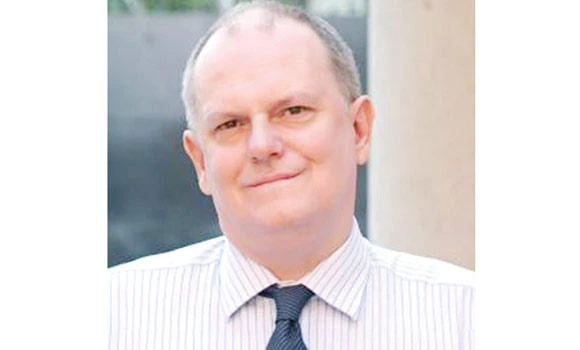
Charlie Walker is the Director of British Council in Saudi Arabia.
IELTS — helping Saudis gain a passport to new opportunities