A prominent environmentalist has reiterated the need to combat the rampant sewage and waste management problems plaguing Jeddah and has called for a comprehensive system for monitoring pollution levels.
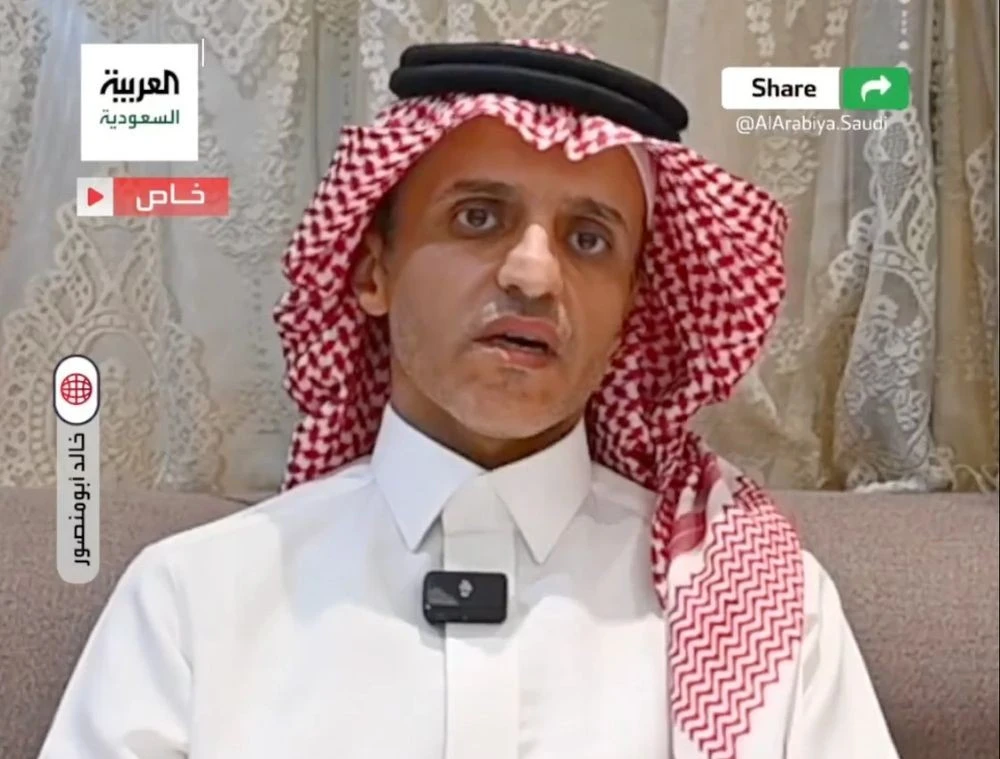
Abdulrahman Kammas, former general director of environmental protection at the General Presidency of Meteorology and Environment Protection (GPMEP), warned against pollutants that contribute to the permanent presence of life-threatening diseases, such as dengue fever, found in mosquitoes.
“The comprehensive 25-year environmental strategic plan launched by the GPMEP for Jeddah could not come at a better time and encompasses even the marine environment, ground water reserves, sewage and land-filled waste,” he said. “The plan can potentially place Jeddah at the forefront of the world’s environment-friendly cities.”
Jeddah is witnessing a 90 percent rate of population growth in comparison to the growth rate recorded in the 90s,” he said. “The project must be accompanied by awareness campaigns among residents. It is imperative for residents to give environmental factors priority since cities are no longer what they were 50 year ago.”
Residents must be taught how to stop overusing natural resources, he said. “There should be an integrated system to monitor pollution and climate change across the Kingdom. Such a system would provide media and residents with updated information on pollution levels and climate change indicators.”
Existing waste management problems, which will only be exacerbated through climate change, will take a turn for the worse if they remain unresolved, he cautioned.
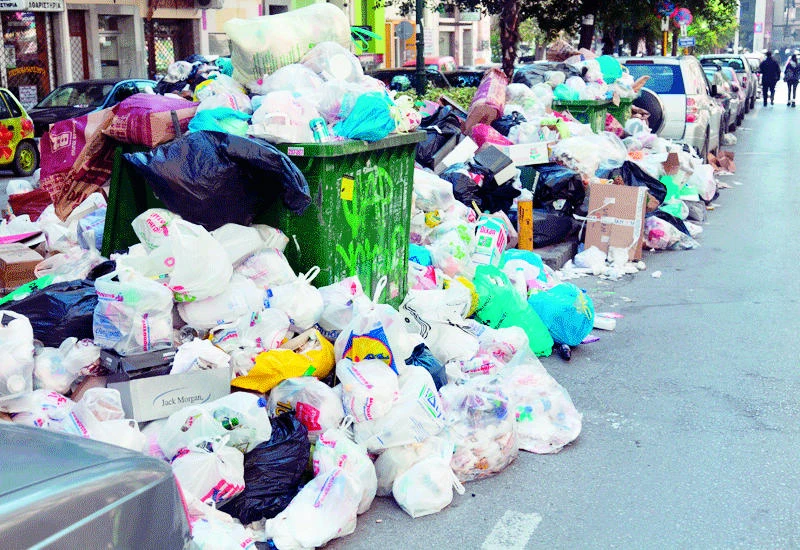
Most advanced countries in the world handle waste using tight and controlled methods, he said. “The exposed garbage containers that plague the city are a breeding ground for mice, dogs and cats. The foul odor emanating from old waste attracts mosquitoes, not to mention the visual pollution created by these unsanitary bins.”
Finding radical solutions to such problems will spare the country from grave diseases that threaten human life, said Kammas. “In addition, further research on the issue of climate change must take place locally.”
Integrated system to monitor pollution urged