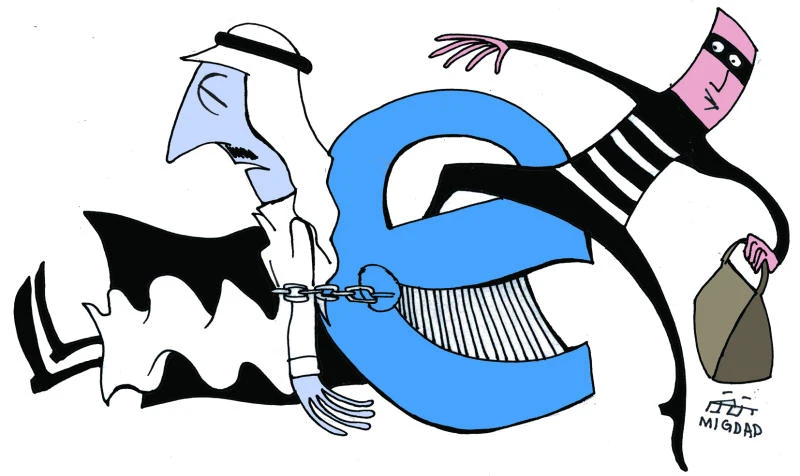
Internet users should keep all their personal information private because cyber criminals can use this data to create false profiles to prey on youngsters and rob people.
Marian Merritt, Norton’s Internet Safety Advocate (NISA), in statement released here to mark the tenth anniversary of Safer Internet Day (SID), said that a young Internet user should never reveal his or her home address, telephone numbers or parent's work address online.
Safer Internet Day (SID) is held on Feb. 5 every year.
Merritt said that young people should always use the privacy settings on social networking sites so that only friends and family can see photos they post.
People should also avoid posting holiday plans because criminals use this information to track their movements.
Young people should also never share passwords with friends, even if they promise never to reveal the information. When setting a password, they should not use something that others may guess such as a pet’s name. Use a mixture of letters, numbers and upper and lower case characters, Merritt said.
She added that people must ensure their mobile phones are pin-protected so that all personal information stored on them is safe. Users can download a security application that allows them to remotely wipe out any personal data, should their mobile phones be lost or stolen. Merritt warned young people never to meet up with strangers and to let their parents know if a stranger tried to contact them online. They should never share personal information with strangers online, she added.
When shopping online, users should make use of reputable and known retailers. They should make sure that they trade on secure web pages with a padlock sign in the browser address bar and where the address says "https."
Internet users should also avoid clicking links in an email, instant message or on a social networking site unless they are messages from people they know. Cybercriminals have been known to hack into friends’ email accounts and social networks to send emails or post messages claiming they are in trouble and asking them to transfer money.
Saudis first gained access to the Internet in 1998. In 2011, 47.5 percent of the population had access to the Internet, up from 19.5 percent in 2006, according to the International Telecommunication Union (ITU).
In the early years, the vast majority of Saudi users accessed the Internet through dial-up connections that were often slow and frustrating. Less than 22.6 percent of the Internet population still uses dial-up services today, with the rest using broadband connections.
There were 11.9 million mobile broadband connections and 2.2 million fixed broadband connections in the country as of May 2012.
Janice Richardson, Insafe Coordinator, said: "Over the years, Safer Internet Day has become a landmark event in the online safety calendar, and an action that has been taken up across the globe. With this year's theme of online rights and responsibilities, we aim to engage all stakeholder groups - children and young people, parents, carers and educators, and industry - to raise awareness that we all have a shared responsibility to make the Internet a safer and better place for all."
Internet expert warns against cyber criminals preying on young people