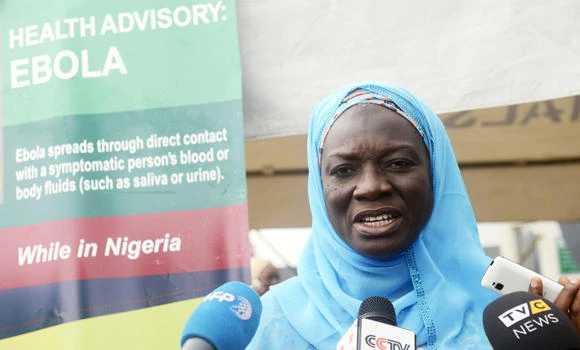
RIYADH: A Canadian medical expert said that Saudi Arabia has great potential in using space technology for health care, such as in preventing Ebola outbreaks.
“Saudi Arabia has taken leadership roles in space in the Gulf and Arab world, including having the first Muslim astronaut,” said Dr. Farhan M. Asrar, who was born in Dubai and is currently an assistant professor at the Faculty of Medicine at the University of Toronto in Canada.
He is also the lead researcher and primary author of a unique project that involved international experts to explore how space assets can help solve the Ebola crisis. The project will be published in Lancet ID this month.
“Moreover, Saudi educational institutions are continuing to further their expansion in the space world by signing various agreements with the NASA and the Russian Space Agency,” he said.
The educational institutions referred to are the King Abdul Aziz University for Science and Technology (KAUST) and the King Abdul Aziz City for Science and Technology (KACST).
“For these reasons, Saudi Arabia is in a good position to use space technology in controlling the Ebola virus. After all, it has been helping countries with Ebola problems,” he said.
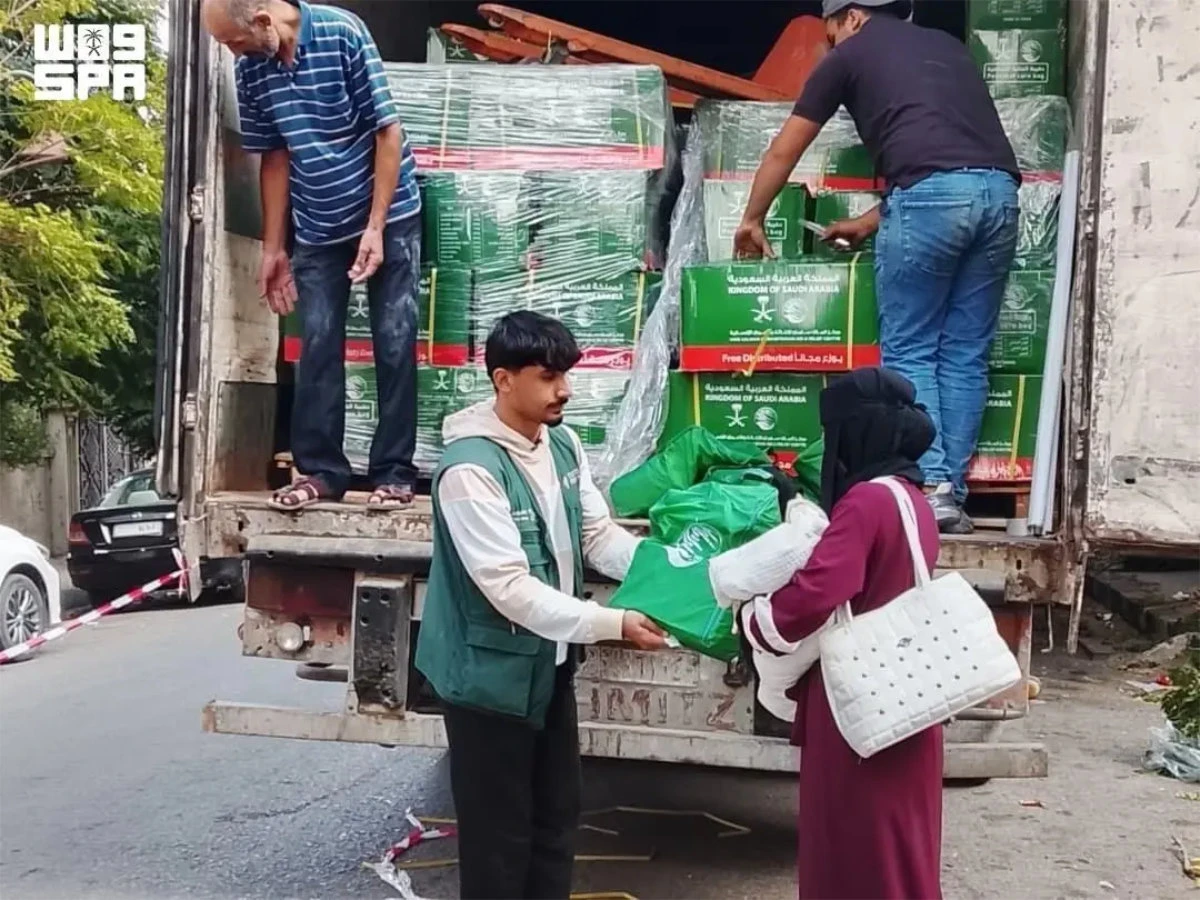
Recently, the Kingdom extended technical assistance to three African countries — Sierra Leone, Liberia, and Guinea — amounting to $38 million to contain the virus.
This early, Sierra Leone is planning to ask the Kingdom for additional assistance to totally eradicate the virus.
At least two places are still affected by it, although the World Health Organization (WHO) has issued a report saying that there are signs the incidence of Ebola in the West African country has leveled off.
“The Ebola outbreak has impacted everyone … so steps to address it is relevant for all countries,” said Asrar.
He added that millions of individuals all over the world visit Saudi Arabia every year and hence the potential of infectious disease outbreaks always exists.
“The Kingdom has taken, and continues to take, many steps to prevent the occurrence of such outbreaks and using space technology to manage, monitor and prevent outbreaks would be a useful tool,” he said.
Regarding the unique project he’s involved in, he said it has recommendations beneficial to Saudi Arabia, like telemedicine.
“Telemedicine involves providing health care from a distance. Modern telemedicine was developed by the space agencies to care for astronauts going to space or staying at space stations,” he said.
KSA can use space technology to prevent Ebola, says expert